Mastering Your Money: Simple Expense Tracking Techniques for Financial Freedom
Hey there, friends! Ever feel like your money has a secret life, disappearing into thin air without a trace? You’re not alone! We've all been there, scratching our heads, wondering where that last paycheck went. It's like playing hide-and-seek, but instead of finding joy, you find only an empty wallet and a whole lot of confusion. Imagine buying that fancy latte every day. Seems harmless, right? But what if I told you that latte habit could be costing you a small fortune over the year? Or think about those impulse buys – the "treat yourself" moments that quickly turn into a "treat your credit card" situation. It's a slippery slope, my friends, a slippery slope! And it’s a problem that is only growing. With the rise of online shopping, subscription services, and countless other ways to spend, keeping track of our finances has become more challenging than ever. We're constantly bombarded with tempting offers and sneaky fees, making it easy to lose sight of where our money is actually going.
But don't worry, because I’m here to throw you a lifeline. What if I told you there was a way to shine a light on your spending habits, gain control over your finances, and finally understand where your money is going? Well, there is! It's called expense tracking, and it's not as scary or boring as it sounds. Think of it as a financial detective, helping you uncover the mysteries of your money and exposing those hidden spending leaks. I know, I know, the word "budget" can make even the most adventurous souls run for the hills. It conjures up images of spreadsheets, strict rules, and a life devoid of all fun. But expense tracking isn't about restriction; it's about awareness. It’s about empowering you to make informed decisions about your money, so you can spend it on the things that truly matter to you, without the guilt and the mystery. And let's be real, who doesn't want more money for the things they love? More travel, more concerts, more delicious food, more comfy shoes…the possibilities are endless!
So, are you ready to embark on this financial adventure with me? Are you ready to uncover the secrets of your spending and finally take control of your financial destiny? Stick around, because I’m about to reveal some simple yet powerful expense tracking techniques that will transform the way you manage your money. Trust me, your wallet (and your sanity) will thank you!
Expense Tracking Techniques for Financial Freedom
Friends, let’s dive into the world of expense tracking. It sounds complicated, but trust me, it's not rocket science. It's more like a simple recipe for financial success. The key is to find a method that works for you and stick with it. So, let’s explore some of the best expense tracking techniques, shall we?
•The Classic Notebook Method:
Ah, the good old-fashioned notebook. Sometimes, the simplest solutions are the best. Grab a notebook (any kind will do, even that one you’ve been hoarding since college) and start jotting down your expenses. Each time you spend money, write down what you bought, where you bought it, and how much it cost. You can even categorize your expenses (food, transportation, entertainment, etc.) to get a better overview. It’s like a financial diary, but way more useful. This method is perfect if you like to unplug and avoid screens. It's also great for those who prefer the tactile sensation of writing things down. Plus, there's something satisfying about physically tracking your spending. Think of it as a mindful way to connect with your money. For example, imagine buying groceries. Instead of mindlessly swiping your card, you actively record each item and its cost. This process can help you become more aware of your spending habits and make more conscious choices.
•Spreadsheet Savvy:
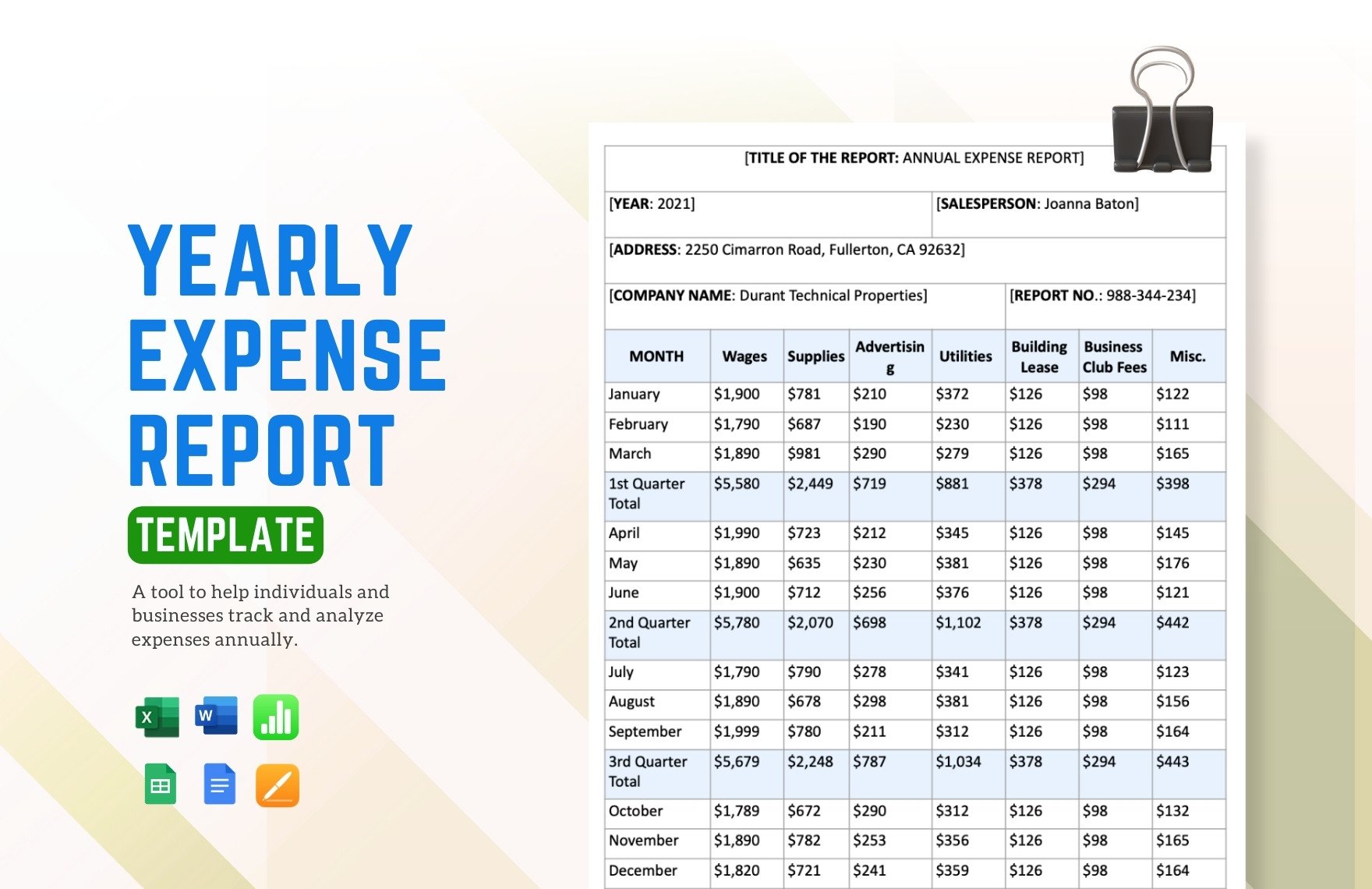
If you're a bit of a data geek (like me!), a spreadsheet might be your new best friend. Programs like Google Sheets or Microsoft Excel are fantastic for organizing and analyzing your spending. You can create custom categories, track trends, and even generate fancy charts to visualize your financial data. Trust me, there’s something incredibly satisfying about seeing your spending habits laid out in a neat, color-coded spreadsheet. It's like having a financial dashboard right at your fingertips. To start, create columns for date, description, category, and amount. Then, simply enter your expenses as you go. The real magic happens when you start using formulas to calculate your totals and track your progress. You can even create charts to visualize your spending patterns, which can be incredibly insightful. For example, you might discover that you're spending a surprisingly large amount on takeout coffee or that your entertainment expenses are eating into your savings goals. The power of spreadsheets lies in their ability to reveal these hidden patterns and empower you to make informed decisions about your money. Plus, they’re highly customizable, so you can tailor them to your specific needs and preferences. If you want to take things to the next level, you can even use spreadsheet templates designed specifically for expense tracking. These templates often include pre-built formulas and charts, making it even easier to get started.
•Mobile Apps to the Rescue:
In today's world, there's an app for everything, and expense tracking is no exception. There are tons of fantastic apps out there that can help you track your spending on the go. Apps like Mint, YNAB (You Need A Budget), and Personal Capital automatically sync with your bank accounts and credit cards, making expense tracking a breeze. They categorize your transactions, generate reports, and even send you alerts when you're overspending. It's like having a personal financial assistant in your pocket. One of the biggest advantages of using mobile apps is their convenience. You can track your expenses in real-time, right from your phone, no matter where you are. This is especially helpful for those who tend to forget to track their spending later on. Many apps also offer additional features, such as budgeting tools, investment tracking, and credit score monitoring. This can give you a more holistic view of your finances and help you make smarter financial decisions. Plus, they're often beautifully designed and easy to use, making expense tracking less of a chore and more of a fun, engaging activity. For example, Mint provides a clear overview of your spending habits, categorized by type, and sends you personalized insights to help you save money. YNAB focuses on helping you create a budget and stick to it, while Personal Capital is great for tracking your investments and net worth. Choose the app that best suits your needs and preferences, and get ready to take control of your finances!
•The Envelope System:
This is a classic budgeting technique that involves using physical envelopes to allocate your money for different spending categories. At the beginning of each month, you decide how much money you want to spend on each category (e.g., groceries, entertainment, dining out) and put that amount of cash into the corresponding envelope. When you need to spend money, you take it from the appropriate envelope. Once the envelope is empty, you know you've reached your spending limit for that category. This method is particularly effective for people who struggle with overspending or who prefer to use cash. It forces you to be more mindful of your spending and helps you stay within your budget. The envelope system is also a great way to visualize your spending and make it more tangible. Seeing the cash dwindle in each envelope can be a powerful motivator to cut back on unnecessary expenses. Plus, it eliminates the temptation to overspend using credit cards, which can lead to debt. For example, if you have $200 in your "dining out" envelope and you're considering ordering takeout, you might think twice when you see how much money you have left. This can help you make more conscious choices and prioritize your spending. While the envelope system may seem old-fashioned, it's a tried-and-true method that can be incredibly effective for those who need a more hands-on approach to budgeting.
•Bank Statements and Credit Card Reports:
If you're not a fan of actively tracking your expenses, you can still get a good overview of your spending by reviewing your bank statements and credit card reports. These documents provide a detailed record of all your transactions, making it easy to see where your money is going. While this method doesn't provide the same level of real-time awareness as other techniques, it can still be helpful for identifying spending patterns and uncovering areas where you can cut back. Many banks and credit card companies offer online tools that allow you to categorize your transactions and generate reports. This can make it even easier to analyze your spending and identify trends. For example, you might discover that you're spending a significant amount on subscription services or that you're racking up high interest charges on your credit cards. By reviewing your statements regularly, you can stay on top of your finances and make informed decisions about your spending. Plus, it's a good way to catch any fraudulent activity or errors on your accounts. Think of it as a financial checkup, ensuring that everything is in order and that you're not being taken advantage of.
Questions and Answers about Expense Tracking Techniques
Okay, friends, let's tackle some common questions about expense tracking. I know it can seem daunting at first, but trust me, it's worth the effort.
Question 1: What if I miss a day or two of tracking? Will it ruin everything?
Answer: Absolutely not! Life happens, and we all miss things from time to time. Don't beat yourself up about it. Just pick up where you left off and try to catch up on any major expenses you might have forgotten. Consistency is key, but don't let a few missed days derail your progress. Remember, it's about progress, not perfection.
Question 2: Which expense tracking method is the best?
Answer: There's no one-size-fits-all answer to this question. The best method is the one that works best for you. Experiment with different techniques and find one that you enjoy and can stick with long-term. Some people prefer the simplicity of a notebook, while others thrive on the data-driven approach of a spreadsheet or mobile app. The key is to find a method that aligns with your personality, lifestyle, and financial goals.
Question 3: How long should I track my expenses before I start seeing results?
Answer: You'll likely start seeing results within a few weeks of tracking your expenses. As you become more aware of your spending habits, you'll naturally start making more conscious choices about your money. It's like shining a light on your finances, revealing areas where you can cut back and save more. The longer you track your expenses, the more insights you'll gain and the better you'll become at managing your money.
Question 4: Can expense tracking really help me achieve my financial goals?
Answer: Absolutely! Expense tracking is a powerful tool for achieving your financial goals. By understanding where your money is going, you can identify areas where you can cut back and save more. This extra money can then be used to pay off debt, invest, or save for your dreams. It's like having a roadmap to financial success, guiding you along the path to your goals. Whether you want to buy a house, travel the world, or retire early, expense tracking can help you get there.
Alright, friends, we've covered a lot of ground today. We've explored different expense tracking techniques, answered common questions, and hopefully inspired you to take control of your finances. The key takeaway here is that expense tracking is not about restriction; it's about awareness and empowerment. By understanding where your money is going, you can make informed decisions about your spending and finally achieve your financial goals. Remember, it's not about perfection; it's about progress. So, don't be afraid to experiment, find a method that works for you, and stick with it. Your wallet (and your future self) will thank you for it. Now, it's time to put what you've learned into action. Choose one expense tracking technique from the article (whether it's the classic notebook method, spreadsheet magic, mobile app wizardry, envelope system simplicity, or statement sleuthing) and commit to tracking your expenses for at least one month. Start small, be consistent, and don't get discouraged if you miss a day or two. The most important thing is to get started and keep moving forward. I challenge you to take this step towards financial freedom and see the difference it can make in your life. What are you waiting for? Go forth and conquer your finances!
