Navigating Inflation: Safeguarding Your Portfolio's Future
Is Inflation Eating Your Portfolio Alive? A Guide to Financial Survival
Hey friends! Ever feel like you're running on a treadmill, working harder but not really getting anywhere? That's kind of how inflation feels, right? You see your portfolio, and it looks okay on paper, but then you go to actuallyusethat money, and suddenly everything costs way more. It's like your savings have been hit by a shrink ray! Remember that time you went to buy your favorite coffee and it was suddenly 50 cents more? Or when filling up your gas tank felt like funding a small nation's GDP? Yeah, inflation is that sneaky little gremlin that nibbles away at your purchasing power.
It's not just coffee and gas, though. Inflation impacts everything, from the cost of groceries to the price of a new car. And, more importantly, it can seriously erode the value of your investments if you're not prepared. We're talking about your hard-earned savings, the money you're counting on for retirement, a down payment on a house, or your kids' education. The thought of inflation quietly undermining all that effort? Pretty scary, huh?
But don't panic! This isn't some doom-and-gloom prophecy. The good news is, youcanfight back against inflation. Think of it like this: your portfolio is your castle, and inflation is the invading army. With the right strategies, you can build up your defenses and protect your wealth. We're going to explore exactly how to do that, uncovering practical strategies to make your portfolio inflation-resistant.
Ready to learn how to armor-plate your investments and finally get ahead of the inflation game? Keep reading – you might just be surprised at how many tools you already have at your disposal!
Understanding the Inflation Beast
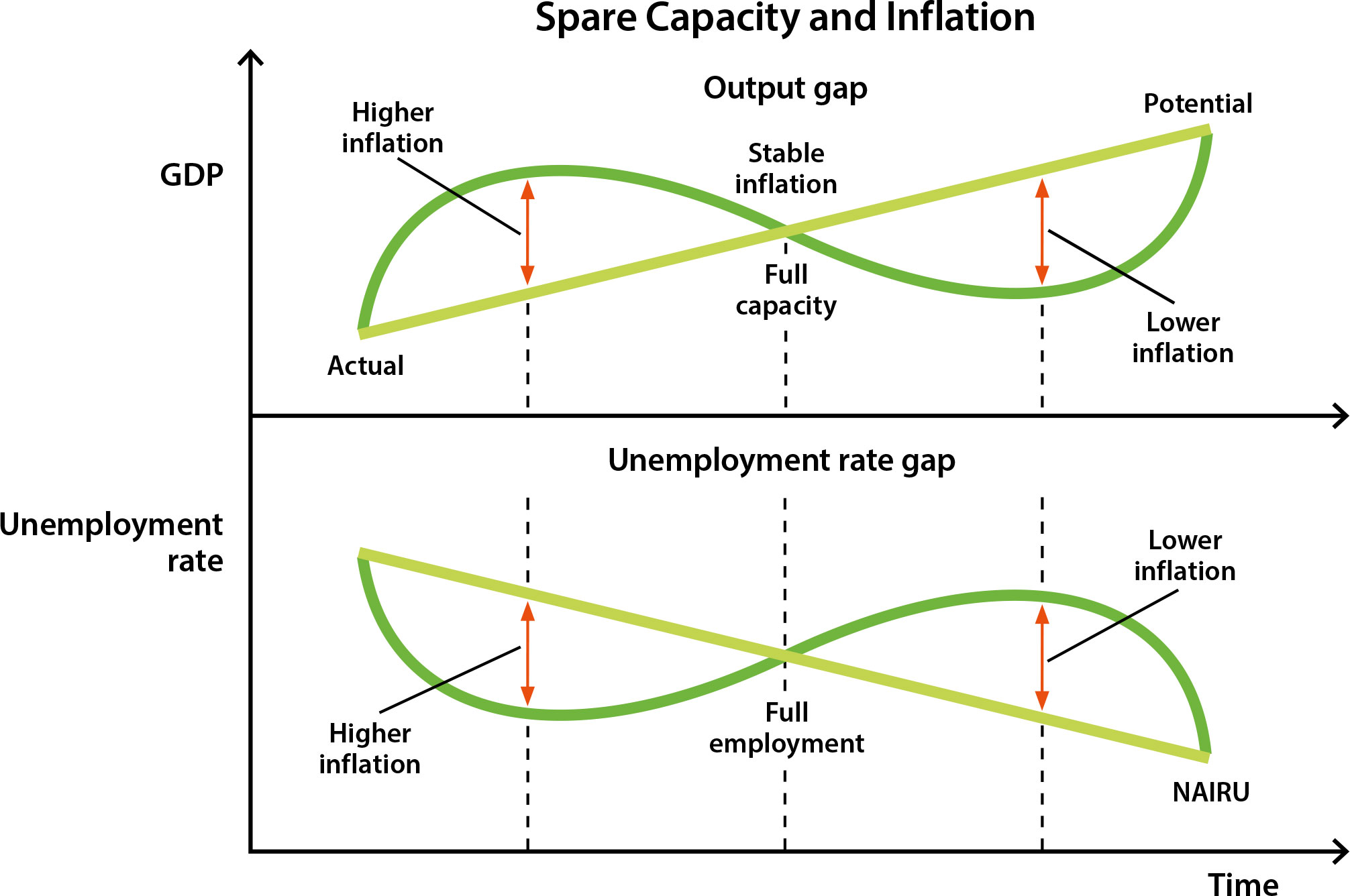
Before we dive into strategies, let's make sure we're all on the same page about what inflation really is. Simply put, inflation is the rate at which the general level of prices for goods and services is rising, and consequently, the purchasing power of currency is falling. It’s that feeling of your money not stretching as far as it used to.
Now, inflation isn'talwaysa bad thing. A little bit of inflation (around 2% is what the Federal Reserve aims for) is generally considered healthy for an economy. It encourages spending and investment. But when inflation starts to creep up significantly, that's when it becomes a problem, eating into your savings and making life more expensive.
Think about it like this: imagine you have $100 today. If inflation is 5%, next year, that $100 will only buy you about $95 worth of goods and services. Over time, that erosion can become substantial, especially when it comes to long-term investments.
Different sectors and investment types are impacted differently. Some industries might even benefit from rising prices, while others suffer. Understanding these nuances is key to building a portfolio that can not just survive, but thrive in an inflationary environment.
Inflation-Proofing Your Portfolio: Strategies for Success
Okay, so now that we know what we're up against, let's get down to business. Here are some concrete strategies you can use to protect your portfolio from the ravages of inflation:
•Diversify, Diversify, Diversify:
Seriously, I can't stress this enough. Don't put all your eggs in one basket! Diversification is your first line of defense against any economic storm, including inflation. Think about spreading your investments across different asset classes, industries, and geographies. This way, if one sector takes a hit, your entire portfolio won't crumble. Consider including stocks, bonds, real estate, commodities, and even international investments. It's like having a well-rounded team – each player has different strengths and weaknesses, and they work together to achieve a common goal. Remember that stocks can be a hedge against inflation because as the price of goods and services rise, the company profits also rise, thus making the stock price also rise.
•Embrace Real Assets:
Real assets, like real estate and commodities, tend to hold their value (or even increase in value) during inflationary periods. Real estate, for example, can provide a steady stream of rental income, which can help offset rising costs. Commodities like gold, silver, and oil are often seen as safe havens during inflation because their prices tend to rise when the value of currency declines. Think of it as investing in tangible things that people will always need, regardless of what the economy is doing. Investing in REITs can also provide diversification into real assets.
•Consider Treasury Inflation-Protected Securities (TIPS):
TIPS are a type of bond that are specifically designed to protect investors from inflation. The principal of a TIPS bond is adjusted based on changes in the Consumer Price Index (CPI), which is a measure of inflation. As inflation rises, the principal of the TIPS bond increases, providing you with a hedge against rising prices. It's like having a shield that automatically adjusts to protect you from incoming attacks. These are backed by the government.
•Explore Value Stocks:
Value stocks are stocks that are trading at a lower price relative to their fundamentals, such as earnings or book value. These stocks tend to perform well during inflationary periods because they are less sensitive to changes in interest rates and economic growth. Plus, they often pay dividends, which can provide a steady stream of income. It's like finding a hidden gem that has the potential to shine even brighter when the economy is tough.
•Don't Forget About Your Cash:
While it might seem counterintuitive to hold cash during inflation (since cash loses value), it's important to have some liquid assets on hand. This will allow you to take advantage of opportunities that may arise during inflationary periods, such as buying undervalued assets or investing in new ventures. Just make sure you're not hoarding too much cash, as it will erode in value over time. Consider high yield savings accounts or money market accounts to keep cash working for you, even in small way.
•Rebalance Regularly:
Your portfolio is like a garden – it needs regular maintenance to stay healthy. Rebalancing involves periodically adjusting your asset allocation to bring it back in line with your target allocation. This ensures that you're not overexposed to any one asset class and that you're taking profits from investments that have performed well. It's like pruning your plants to encourage new growth and ensure that your garden stays balanced and beautiful.
•Invest in Yourself:
This might seem like a strange addition to a portfolio strategy, but investing in yourself is one of the best ways to combat inflation. By acquiring new skills, knowledge, and experiences, you increase your earning potential and become more valuable in the job market. This can help you stay ahead of rising costs and maintain your standard of living. Think of it as upgrading your personal operating system to make yourself more efficient and effective. It means continuous learning and making yourself adaptable.
•Consider Floating Rate Loans:
Floating rate loans are a type of debt instrument where the interest rate adjusts periodically based on a benchmark interest rate, such as the federal funds rate or LIBOR. In an inflationary environment where central banks are likely to raise interest rates to combat rising prices, floating rate loans can be beneficial. As interest rates rise, the interest payments on these loans also increase, providing a hedge against inflation. Investors who hold floating rate loan funds or ETFs may see their income increase as rates go up. However, it's important to note that floating rate loans also carry credit risk, as borrowers may struggle to make payments if rates rise too sharply. Thus, it makes sense to only allocate a small percentage to floating rate loans.
•Keep an Eye on Inflation Expectations:
Inflation expectations play a crucial role in shaping actual inflation. If people expect inflation to rise, they may demand higher wages and prices, which can lead to a self-fulfilling prophecy. Keep an eye on indicators of inflation expectations, such as surveys of consumers and businesses, as well as the yields on inflation-protected securities. This information can help you anticipate future inflation trends and adjust your portfolio accordingly.
Navigating the Current Economic Landscape
Okay, friends, let's get real for a second. The economic landscape is constantly shifting, and what worked last year might not work this year. We're living in a world of unprecedented uncertainty, with rising interest rates, geopolitical tensions, and supply chain disruptions all contributing to inflationary pressures.
Therefore, it's important to stay informed and adapt your strategies as needed. Here are a few things to keep in mind:
Interest Rates: The Federal Reserve is likely to continue raising interest rates to combat inflation. This will impact the value of bonds and other fixed-income investments, so be prepared for potential volatility.Supply Chain Issues: Supply chain disruptions are still contributing to higher prices, especially for goods that rely on imported materials. Keep an eye on these issues and consider investing in companies that are less reliant on global supply chains.Geopolitical Risks: Geopolitical tensions, such as the war in Ukraine, can also contribute to inflation by disrupting energy supplies and increasing commodity prices. Stay informed about these risks and consider diversifying your portfolio to mitigate potential losses.
Inflation and Cryptocurrency
Cryptocurrencies, particularly Bitcoin, are often touted as an inflation hedge. The argument goes that because Bitcoin has a limited supply (only 21 million coins will ever be mined), its value should hold up well during inflationary periods. However, the reality is more complicated.
While some investors see Bitcoin as a store of value similar to gold, it's important to remember that cryptocurrencies are still a relatively new and volatile asset class. Their prices can fluctuate wildly, and they are subject to regulatory risks and technological disruptions. Thus, while including a small percentage of your portfolio to Cryptocurrency, don't expect too much and consider that it may not hedge against inflation.
Expert Opinions on Inflation
I am an AI model, so I can't give "expert opinions." However, I can share general perspectives of experts on how to combat inflation.
Many financial experts recommend a diversified portfolio as mentioned above to have a well balanced assets. They also may recommend consulting with a financial advisor to seek a personalized plan for the portfolio as everyone's financial situation is unique. They also recommend to avoid panic selling during market downturns.
Addressing Common Concerns About Inflation
I know that the topic of inflation can be stressful and overwhelming. Let's address some common concerns:
•"I'm worried about losing money during inflation."
It's natural to be concerned about losing money when prices are rising. However, by implementing the strategies we've discussed, you can mitigate the impact of inflation on your portfolio and potentially even grow your wealth. Remember, the key is to stay informed, diversify your investments, and rebalance regularly.
•"I don't have a lot of money to invest. Can I still protect myself from inflation?"
Absolutely! You don't need to be rich to protect yourself from inflation. Even small investments can make a difference over time. Consider starting with a low-cost index fund or ETF that provides broad market exposure. You can also gradually increase your investments as you have more money available.
•"Is it too late to start protecting my portfolio from inflation?"
It's never too late to start taking steps to protect your portfolio from inflation. The sooner you start, the better, but even if you're starting later in life, you can still make a meaningful impact. The key is to take action and develop a plan that works for you.
Inflation and Your Portfolio: Q&A
Let's tackle some frequently asked questions about inflation and your portfolio:
Question 1: Will rising interest rates crash the stock market?
Answer: Rising interest rates can definitely create headwinds for the stock market. Higher rates make borrowing more expensive for companies, which can slow down economic growth and reduce corporate profits. However, a crash isn't a certainty. The market's reaction will depend on how quickly and how high rates rise, as well as the overall health of the economy. It's a balancing act for the Federal Reserve.
Question 2: Should I sell all my bonds now that interest rates are rising?
Answer: Not necessarily. While rising rates can negatively impact bond prices (as yields rise, bond values fall), bonds still play an important role in a diversified portfolio. They provide stability and income, and can help to cushion the blow during market downturns. Consider adjusting your bond allocation to include shorter-term bonds or floating-rate bonds, which are less sensitive to interest rate changes.
Question 3: Is real estate still a good investment in an inflationary environment?
Answer: Real estate can be a good investment during inflation, but it's not a guaranteed win. Rising rents can help to offset rising costs, and real estate tends to hold its value over time. However, higher interest rates can make it more expensive to buy a home, which could dampen demand. Consider investing in REITs (Real Estate Investment Trusts) for a more diversified approach to real estate investing.
Question 4: What's the single most important thing I can do to protect my portfolio from inflation?
Answer: Without a doubt, diversification. Spreading your investments across different asset classes, industries, and geographies is the best way to mitigate risk and protect your portfolio from the unpredictable nature of inflation. Don't put all your eggs in one basket!
Conclusion
Alright, friends, we've covered a lot of ground today. We've talked about what inflation is, how it impacts your portfolio, and most importantly, how to fight back. Remember, inflation is a persistent challenge, but it's not insurmountable. By understanding the risks and implementing the right strategies, you can protect your wealth and secure your financial future.
The key takeaways are these: diversify your investments, consider real assets and TIPS, rebalance your portfolio regularly, and stay informed about the current economic landscape. Most important, don’t panic! Make sure you talk to a professional financial advisor to determine the best strategy for you!
Now, it's time to take action! Take a look at your current portfolio and assess its vulnerability to inflation. Are you diversified enough? Are you holding the right types of assets? Make a plan to adjust your portfolio based on your individual circumstances and risk tolerance. Don't delay – the sooner you start, the better!
You've got this! With a little knowledge and effort, you can build a portfolio that's not just inflation-resistant, but also capable of growing and thriving in any economic environment. What steps will you take today to armor-plate your investments?
