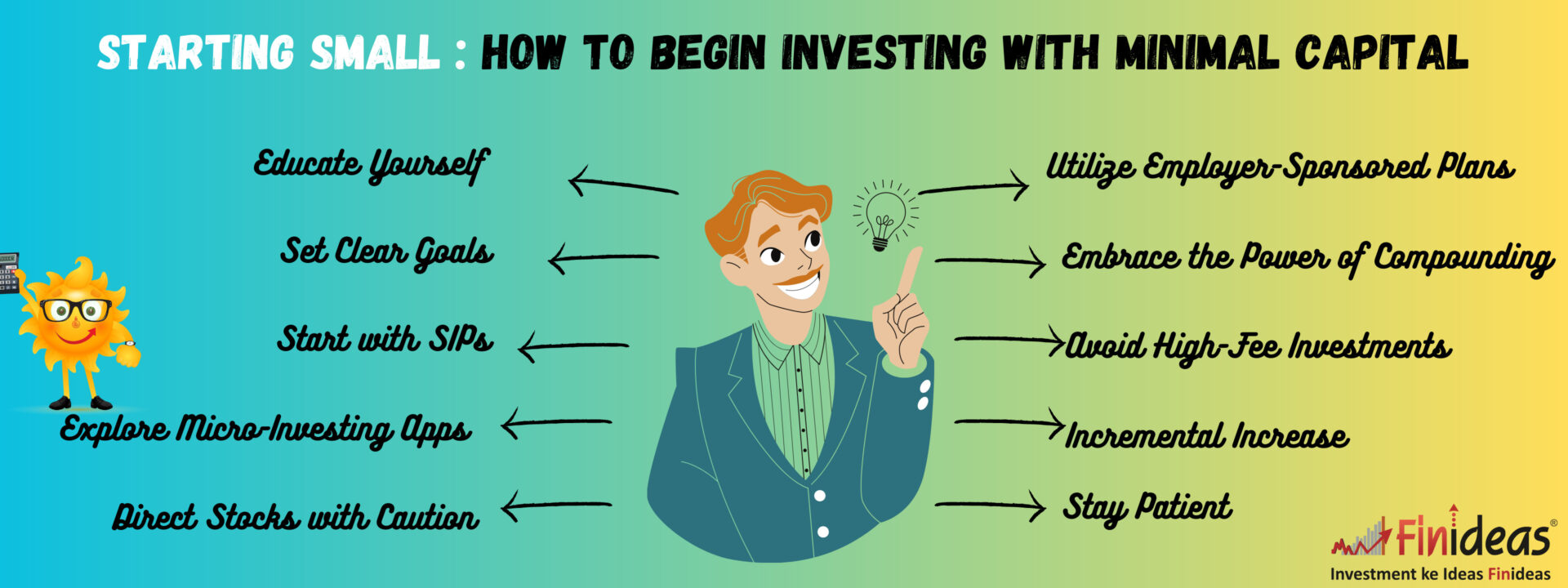
Small Steps, Big Gains: Your Guide to Investing on a Budget
Hey there, future investor! Ever feel like the world of investing is some exclusive club reserved for Wall Street sharks and trust fund babies? Think you need a Scrooge Mc Duck-sized vault overflowing with gold coins to even get your foot in the door? I get it. We've all been there. You see those flashy headlines about millionaires made overnight and think, "That's not for me. I'm just trying to make rent!"
But what if I told you that investing doesn't have to be scary, complicated, or break the bank? What if you could actually start with just a few dollars – less than you probably spend on your daily latte – and slowly build your wealth over time? That's the beauty of starting small in investing, and it's totally within your reach.
Think of it like this: you wouldn't expect to run a marathon without training first, right? You'd start with a walk around the block, then a jog, and gradually increase your distance. Investing is the same! It's a journey, not a sprint. Starting small allows you to learn the ropes, understand the market's ups and downs (and trust me, there will be downs!), and develop a strategy that works for you – all without risking your entire life savings.
Let's be honest, the financial world can feel like it's speaking a different language. Jargon like "derivatives," "options," and "quantitative easing" can send your head spinning faster than a roulette wheel. But don't let that intimidate you. We're going to break down the basics and show you that anyone can learn to invest, regardless of their background or current financial situation.
Maybe you're dreaming of early retirement, buying a house, or simply feeling more secure about your financial future. Whatever your goals, investing can be a powerful tool to help you achieve them. And the best part? You can start today, with just a little bit of knowledge and a willingness to learn.
So, are you ready to ditch the ramen noodle diet in your golden years and build a brighter financial future? Stick with me, and we'll explore the exciting world of starting small in investing. We'll uncover the best platforms for beginners, the smartest strategies for growing your money, and how to avoid those pesky pitfalls that can trip up even the most seasoned investors. Let's dive in and turn those small steps into big gains!
Investing on a Shoestring: Your Path to Financial Freedom
Alright, friends, let's get down to business. You're ready to start investing, but your bank account is looking more like a small pond than a vast ocean? No problem! We're going to show you how to navigate the world of investing without needing to win the lottery first.
Understand Your Financial Landscape
Before you even think about buying stocks or bonds, you need to get a handle on your current financial situation. This isn't the most exciting part, I know, but it's absolutely crucial. Think of it as mapping out your route before embarking on a road trip. You wouldn't just jump in the car and start driving aimlessly, would you? (Okay, maybe some of us would, but that's a story for another time!).
• Assess Your Income and Expenses: Take a close look at where your money is coming from and where it's going. Use budgeting apps, spreadsheets, or even just a good old-fashioned notebook to track your income and expenses for a month or two. Identify areas where you can cut back and free up some cash for investing. Are you really using that gym membership? Can you pack your lunch instead of eating out every day? Small changes can make a big difference.
• Pay Off High-Interest Debt: This is a big one. If you have credit card debt or other high-interest loans, focus on paying those off before you start investing. The interest you're paying on that debt is likely eating into any potential investment gains. It's like trying to fill a bucket with a hole in the bottom – you're just wasting your time and energy.
• Build an Emergency Fund: Life happens. Cars break down, appliances malfunction, and unexpected medical bills pop up. Before you start investing, make sure you have an emergency fund to cover at least 3-6 months' worth of living expenses. This will prevent you from having to sell your investments at a loss if you encounter an unexpected financial hardship. Think of it as a safety net – it's there to protect you when things go wrong.
Choosing the Right Investment Platform
Gone are the days when you needed a fancy broker and a fat bank account to start investing. These days, there are tons of online platforms that make it easy and affordable for anyone to get started. But with so many options, how do you choose the right one? Here are a few things to consider:
• Look for Low Fees: Trading commissions and account fees can eat into your returns, especially when you're starting small. Look for platforms that offer commission-free trading and low or no account minimums. Every dollar you save on fees is a dollar that can be put to work growing your wealth.
• Consider Fractional Shares: Some platforms allow you to buy fractional shares of stocks. This means you can invest in companies like Apple or Amazon even if you don't have enough money to buy a whole share. This is a great way to diversify your portfolio without breaking the bank.
• Research Account Types: Understand the different types of investment accounts available, such as Roth IRAs, traditional IRAs, and taxable brokerage accounts. Each type of account has different tax implications, so choose the one that best suits your financial goals and situation.
• Assess User-Friendliness: Choose a platform that is easy to use and navigate, especially if you're a beginner. Look for platforms with educational resources and helpful customer support. You want to feel comfortable and confident using the platform, not overwhelmed and confused.
Investment Options for Beginners
Now that you have a platform and a budget, it's time to start picking your investments! Here are a few beginner-friendly options to consider:
• Index Funds and ETFs: These are baskets of stocks that track a specific market index, such as the S&P 500. They offer instant diversification and are a low-cost way to invest in a broad range of companies. Think of them as a buffet of stocks – you get a little bit of everything.
• Mutual Funds: These are similar to index funds, but they are actively managed by a fund manager who tries to beat the market. Mutual funds typically have higher fees than index funds, so weigh the potential benefits against the higher costs.
• Bonds: These are loans you make to a government or corporation. They are generally considered to be less risky than stocks, but they also offer lower returns. Bonds can be a good way to diversify your portfolio and reduce overall risk.
• Consider REITs: Real Estate Investment Trusts (REITs) allow you to invest in real estate without actually buying property. REITs own and manage income-producing properties, such as apartments, shopping centers, and office buildings.
The Power of Dollar-Cost Averaging
One of the smartest strategies for starting small in investing is dollar-cost averaging. This involves investing a fixed amount of money at regular intervals, regardless of the market's ups and downs. This helps you avoid trying to time the market (which is nearly impossible to do successfully) and can actually lower your average cost per share over time.
• Automate Your Investments: Set up automatic transfers from your bank account to your investment account on a regular basis. This makes it easy to stick to your investment plan and avoid the temptation to skip a month when the market is down.
• Don't Panic Sell: When the market inevitably takes a dip, resist the urge to sell your investments. Remember that investing is a long-term game, and market fluctuations are normal. Stay the course and continue investing regularly, and you'll likely come out ahead in the long run.
Embrace the Long Game
Investing is not a get-rich-quick scheme. It's a long-term strategy for building wealth over time. Don't get discouraged if you don't see huge returns overnight. The key is to stay consistent, stay informed, and stay patient.
• Reinvest Your Dividends: When your investments pay dividends, reinvest those dividends back into the same investments. This allows your money to grow even faster through the power of compounding.
• Regularly Rebalance Your Portfolio: Over time, your portfolio may become overweighted in certain asset classes. Regularly rebalance your portfolio to maintain your desired asset allocation.
• Stay Informed: Keep up with market news and trends, but don't let it overwhelm you. Focus on the long-term fundamentals and avoid making rash decisions based on short-term market fluctuations.
Remember, friends, even small steps can lead to big gains over time. By starting small, staying consistent, and investing wisely, you can build a brighter financial future for yourself and your loved ones. So, take that first step today and start your journey to financial freedom!
Questions and Answers About Starting Small in Investing
Let's tackle some common questions that pop up when people consider dipping their toes into the investing pool:
• Question: I only have $50 a month to invest. Is that even worth it?
• Answer: Absolutely! The key is consistency. $50 a month might not seem like much, but over time, thanks to the magic of compounding, it can grow into a significant sum. Plus, starting small allows you to learn the ropes without risking a ton of money.
• Question: I'm afraid of losing money. What if the market crashes?
• Answer: It's natural to be concerned about losing money. The market will have its ups and downs. That's why it's important to diversify your investments, invest for the long term, and avoid panic selling during market downturns. Remember, historically, the market has always recovered and gone on to reach new highs.
• Question: I don't know anything about investing. Where do I start?
• Answer: The internet is your friend! There are tons of free resources available online, including websites, blogs, and You Tube channels that can teach you the basics of investing. Many online brokerage platforms also offer educational resources for beginners. Start by learning the fundamentals, and don't be afraid to ask questions.
• Question: Should I invest in individual stocks, or are funds a better option for beginners?
• Answer: For most beginners, funds like index funds or ETFs are a safer and more convenient option. They offer instant diversification, which reduces risk, and they are typically low-cost. As you gain more experience and knowledge, you can consider investing in individual stocks, but always do your research first.
Your Investing Journey Starts Now
We've covered a lot of ground, friends! From understanding your financial landscape to choosing the right investment platform and selecting beginner-friendly investments, you now have the knowledge you need to take that first step. Remember, investing isn't just for the wealthy elite; it's a tool that anyone can use to build a brighter financial future. Starting small is not only okay, it's often the smartest way to begin. It allows you to learn, adapt, and grow your wealth at your own pace, without taking on unnecessary risk.
Now, for the call to action: Open an investment account today! Choose a platform that resonates with you, deposit a small amount (even $50 will do!), and invest in a low-cost index fund or ETF. Set up automatic monthly investments to take advantage of dollar-cost averaging, and commit to staying the course for the long term. Don't let fear or overwhelm hold you back. Take that first step, and watch your money grow over time.
You've got this! The path to financial freedom may seem daunting at first, but with each small step you take, you'll gain confidence, knowledge, and momentum. Believe in yourself, trust the process, and never stop learning. Are you ready to take control of your financial future and start building the life you've always dreamed of?
