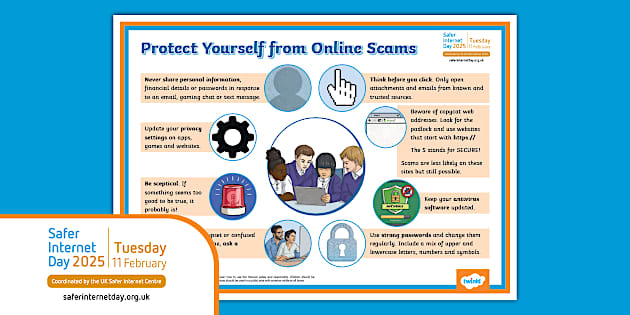
Navigating DAOs Safely: A Guide to Avoiding Scams in 2025.
Hey friends! Ever feel like the future is rushing at us faster than we can keep up? It's like trying to assemble IKEA furniture without the instructions. Crypto, blockchain, DAOs… it's a whole new world, and let's be honest, it can be a bit intimidating. We're constantly hearing about these amazing opportunities to get involved in decentralized organizations (DAOs), promising everything from financial freedom to shaping the future of the internet. But with great potential comes great… well, you know. Scams.
It's 2025, and DAOs are practically everywhere. They're managing everything from community gardens to venture capital funds. Remember back in 2022 when DAOs were still this niche thing only crypto nerds talked about? Now, your grandma's probably in one, voting on which brand of prune juice to stock at the local co-op. Okay, maybe not your grandma, but you get the idea. They are mainstream. The problem? Scammers have gotten a lot more sophisticated too.
Think about it. The more mainstream something becomes, the more tempting it is for bad actors to try and exploit it. It's like when everyone started using email, suddenly our inboxes were flooded with offers from Nigerian princes and pleas to help release billions of dollars from frozen bank accounts. DAOs are no different. They’ve become prime targets.
The appeal of DAOs is obvious. They offer a seemingly democratic and transparent way to pool resources, make decisions collectively, and build something together. The promise of being part of something bigger, making a real impact, and potentially earning some sweet crypto along the way is incredibly attractive. We’re all looking for ways to connect, contribute, and feel like we’re part of something meaningful. DAOs tap into that desire perfectly. Add a little FOMO (Fear Of Missing Out) and some clever marketing, and you’ve got a recipe for attracting a lot of people, including those who might not be as diligent as they should be.
Now, imagine you stumble upon a new DAO project. It's got a slick website, a charismatic leader promising huge returns, and a whitepaper filled with impressive-sounding buzzwords. You're thinking, "This is it! This is my ticket to early retirement on a tropical island!" You throw in some ETH, tell all your friends, and eagerly await the moonshot. Then… crickets. The website disappears, the leader vanishes into thin air, and your ETH is gone. Poof! Welcome to the wonderful world of DAO scams.
These scams can range from outright Ponzi schemes disguised as DAOs to more subtle forms of manipulation and exploitation. Sometimes it’s a lack of transparency, other times it's outright theft. Regardless, the end result is the same: you lose your money and your faith in humanity takes a hit. It's a hard lesson to learn, especially when you're just trying to explore the exciting world of decentralized governance.
But don’t despair! The good news is that staying safe in the DAO space is totally achievable. It requires a bit of knowledge, a healthy dose of skepticism, and a willingness to do your homework. It’s about being a savvy digital citizen and approaching DAOs with your eyes wide open. Just like you wouldn't blindly trust a stranger on the street offering you a get-rich-quick scheme, you shouldn't blindly trust a DAO promising the same. The internet is full of friendly strangers who may not have your best interest at heart, so you need to be vigilant. It's all about protecting yourself and your hard-earned crypto.
So, how do you navigate this complex landscape and avoid becoming the next victim of a DAO scam? That’s what we're going to explore in this guide. We'll dive into the common red flags, the essential tools and techniques for due diligence, and the best practices for staying safe in the wild west of decentralized organizations. Think of this as your survival kit for the DAO frontier. We're going to equip you with the knowledge you need to navigate the DAO landscape with confidence and protect yourself from scams. You'll learn how to spot the scams, how to avoid them, and how to make informed decisions about which DAOs to join and which to avoid like the plague.
Are you ready to become a DAO safety expert? Then keep reading, because we're about to dive deep into the world of DAO scams and how to avoid them. Let’s get started!
Staying Safe in the World of DAOs: Your Guide to Avoiding Scams in 2025
Okay, friends, let's get down to business. The goal here is simple: to help you navigate the exciting but potentially treacherous world of DAOs without getting rekt (crypto slang for financially ruined). We're going to break down the key steps you need to take to protect yourself from scams and make informed decisions about the DAOs you choose to join.
Understanding the Landscape: Common DAO Scam Tactics
First, you need to know what you're up against. Scammers are constantly evolving their tactics, but here are some of the most common types of DAO scams you're likely to encounter:
• The classic Ponzi Scheme in Disguise: This is where new investors' money is used to pay returns to earlier investors, creating the illusion of profitability. Eventually, the whole thing collapses when the flow of new money dries up. These DAOs often promise ridiculously high returns with little to no actual underlying value or sustainable business model. It's like a pyramid scheme but with more blockchain buzzwords.
• Pump and Dump DAOs: These DAOs artificially inflate the price of a token through coordinated marketing and hype, only to dump their holdings at the peak, leaving everyone else holding the bag. Imagine a group of influencers hyping up a new token, encouraging everyone to buy in, and then selling all their tokens at once, causing the price to crash. It's a cruel game, but it happens.
• Rug Pulls: This is the nightmare scenario where the developers of a DAO project suddenly abandon it, taking all the funds with them. The website disappears, the social media accounts go silent, and your investment vanishes into thin air. It's like they packed their bags and ran off into the night, leaving you with nothing but regret.
• Governance Manipulation: In some DAOs, wealthy individuals or groups can manipulate the governance process to benefit themselves at the expense of other members. This could involve passing proposals that enrich them directly or altering the rules of the DAO to consolidate their power. Think of it as a hostile takeover, but in the decentralized world.
• Phishing and Social Engineering: Scammers use fake websites, emails, and social media accounts to trick you into giving up your private keys or sending them your crypto. They might impersonate DAO administrators or other members to gain your trust. It's like a digital con artist playing on your emotions and vulnerabilities.
• Fake DAOs: These are DAOs that exist only in name. They have no real community, no active governance, and no actual purpose other than to collect funds from unsuspecting investors. They're like empty shells, designed to lure you in with the promise of decentralization but offering nothing of substance.
Due Diligence: Your Shield Against Scams
Okay, so you know what to look out for. Now, let's talk about how to protect yourself. The key is due diligence – doing your homework before you invest your time or money in any DAO.
• Scrutinize the Team and Their History: Who are the people behind the DAO? Are they transparent about their identities? Do they have a track record of success in the crypto space? Look for credible team members with relevant experience. A team that's doxxed (meaning their identities are public) is generally a good sign, as it holds them accountable. If the team is anonymous or has a history of questionable behavior, proceed with extreme caution. Use tools like Linked In and Twitter to verify their backgrounds and look for any red flags.
• Dive Deep into the Whitepaper and Documentation: A well-written whitepaper should clearly explain the DAO's purpose, its governance model, its tokenomics (how the tokens are distributed and used), and its roadmap for the future. If the whitepaper is vague, confusing, or filled with buzzwords but lacking in substance, that's a major red flag. Look for detailed explanations of how the DAO plans to generate revenue and sustain itself over the long term. Also, check for any legal disclaimers or risk disclosures.
• Analyze the Tokenomics: How are the tokens distributed? What is the total supply? Are there any mechanisms in place to prevent price manipulation? Pay close attention to the token distribution. If a large percentage of the tokens are held by a small number of individuals or entities, that could be a sign of potential centralization and manipulation. Also, look for vesting schedules that prevent team members from dumping their tokens on the market immediately after the launch of the DAO.
• Examine the Governance Model: How are decisions made in the DAO? Who gets to vote? What are the voting thresholds? A truly decentralized DAO should have a transparent and fair governance process that allows all members to participate. Look for mechanisms that prevent a small group of individuals from controlling the DAO's decision-making process. Also, check for ways to address disputes or resolve conflicts within the DAO.
• Audit the Smart Contracts: The smart contracts that govern the DAO's operations should be audited by reputable third-party firms. This helps to ensure that the contracts are secure and free from bugs or vulnerabilities that could be exploited by hackers. Look for audit reports on the DAO's website or in its documentation. If the DAO hasn't been audited, that's a major red flag.
• Check Community Engagement: Is the DAO active on social media and in online forums? Are members engaged in discussions and contributing to the project? A thriving community is a good sign that the DAO is legitimate and has a strong foundation. Look for signs of genuine interaction and collaboration among members. Be wary of DAOs with little to no community engagement or with communities that are dominated by bots or fake accounts.
• Use a Multi-pronged Approach: Check multiple sources to see what others are saying. Use multiple search engines like Google, Duck Duck Go and Brave Search. Combine the search results and use AI tools for research. Check with industry experts.
Red Flags: Spotting the Warning Signs
Even with thorough due diligence, it's important to be aware of the common red flags that can indicate a DAO scam:
• Unrealistic Promises: If a DAO is promising ridiculously high returns with little to no risk, that's a major red flag. Remember, if it sounds too good to be true, it probably is.
• Lack of Transparency: If the team is anonymous, the documentation is vague, or the governance process is opaque, that's a sign that something might be amiss.
• High-Pressure Tactics: Be wary of DAOs that use high-pressure tactics to get you to invest quickly. Scammers often try to create a sense of urgency to prevent you from doing your homework.
• Suspicious Activity: Look out for any suspicious activity, such as sudden changes in the team, unexplained delays, or unusual trading patterns.
• Gut Feeling: Trust your gut. If something feels off about a DAO, it's probably best to steer clear.
Tools and Resources: Your DAO Safety Arsenal
Fortunately, you don't have to navigate the DAO landscape alone. There are a number of tools and resources available to help you stay safe:
• Blockchain Explorers: Use blockchain explorers like Etherscan to track transactions and analyze the activity of DAO smart contracts.
• Security Auditing Firms: Consider hiring a security auditing firm to review the smart contracts of DAOs you're considering joining.
• DAO Rating Platforms: Use DAO rating platforms to get independent reviews and ratings of different DAOs.
• Community Forums and Social Media: Join online communities and follow social media accounts that focus on DAO security and scam prevention.
• Educational Resources: Take advantage of educational resources like online courses and articles to learn more about DAOs and how to stay safe.
Best Practices: Staying Safe in the Long Run
Finally, here are some best practices to keep in mind as you navigate the DAO landscape:
• Diversify Your Investments: Don't put all your eggs in one basket. Diversify your investments across multiple DAOs to reduce your risk.
• Use a Hardware Wallet: Store your crypto in a hardware wallet to protect it from hacking and theft.
• Be Skeptical: Always be skeptical of new DAOs and don't be afraid to ask questions.
• Stay Informed: Keep up to date on the latest news and trends in the DAO space.
• Report Suspicious Activity: If you suspect that a DAO is a scam, report it to the authorities and warn other members of the community.
Remember, friends, staying safe in the world of DAOs is an ongoing process. By following these steps and staying vigilant, you can protect yourself from scams and make informed decisions about the DAOs you choose to join. The future of decentralized governance is bright, but it's up to us to make sure it's also safe and secure.
Frequently Asked Questions About DAO Safety
Let's tackle some common questions that often come up when discussing DAO safety:
• Question: What's the most important thing to look for when evaluating a DAO's security?
Answer: Transparency is key. Look for DAOs with doxxed teams, audited smart contracts, and clear governance processes. The more information you have about the DAO and its operations, the better equipped you'll be to assess its legitimacy.
• Question: Are all new DAOs scams?
Answer: Definitely not! There are many legitimate and innovative DAOs emerging all the time. However, it's important to approach all new DAOs with a healthy dose of skepticism and do your due diligence before investing. Don't let FOMO cloud your judgment.
• Question: What should I do if I think I've been scammed by a DAO?
Answer: First, report the scam to the authorities. Then, warn other members of the community about the DAO. You can also try to recover your funds by contacting the exchange or platform where you purchased the tokens. Finally, learn from your experience and use it to help others avoid scams in the future.
• Question: Is it possible to completely eliminate the risk of being scammed by a DAO?
Answer: Unfortunately, no. There's always some degree of risk involved in investing in crypto and participating in DAOs. However, by following the steps outlined in this guide and staying vigilant, you can significantly reduce your risk and protect yourself from scams.
Conclusion: Your Journey to Safe DAO Participation Starts Now
Alright, friends, we've covered a lot of ground! Let's recap the key takeaways. The world of DAOs is full of exciting possibilities, but it's also rife with scams. To stay safe, you need to understand the common tactics used by scammers, conduct thorough due diligence, be aware of the red flags, and take advantage of the tools and resources available to you. It's about being a savvy digital citizen and approaching DAOs with your eyes wide open. The process of participating in the amazing world of DAO is an ongoing process, with both ups and downs.
The most important thing is to stay vigilant, keep learning, and never stop questioning. Don't be afraid to ask questions, challenge assumptions, and trust your gut. If something feels off, it probably is. If you do your part by using caution and thinking of the big picture, you may be able to make some financial gains.
Now, it's time to take action! Don't just read this guide and forget about it. Put these tips into practice. Start by researching a DAO that you're interested in joining. Scrutinize the team, analyze the tokenomics, examine the governance model, and check community engagement. Use the tools and resources we've discussed to help you make an informed decision. Your journey to safe DAO participation starts now. Remember what Spiderman said about great power? With our new access to tools on the internet, we should use that power responsibly.
We have faith in you, friends! Now, go forth and explore the world of DAOs with confidence and caution, and remember to share your knowledge with others. The more we work together to educate and protect ourselves, the safer and more vibrant the DAO ecosystem will become.
What steps will you take today to further your knowledge about DAOs?
