How to Trade Crypto Volatility Daily: Strategies and Tips for 2024
The cryptocurrency market is known for its wild price swings, making it a hotbed for volatility trading. For traders looking to capitalize on daily price movements, understanding how to navigate this dynamic landscape is crucial. This article explores the nuances of daily crypto volatility trading, offering actionable strategies and insights to help you make informed decisions in 2024.
Understanding Daily Crypto Volatility
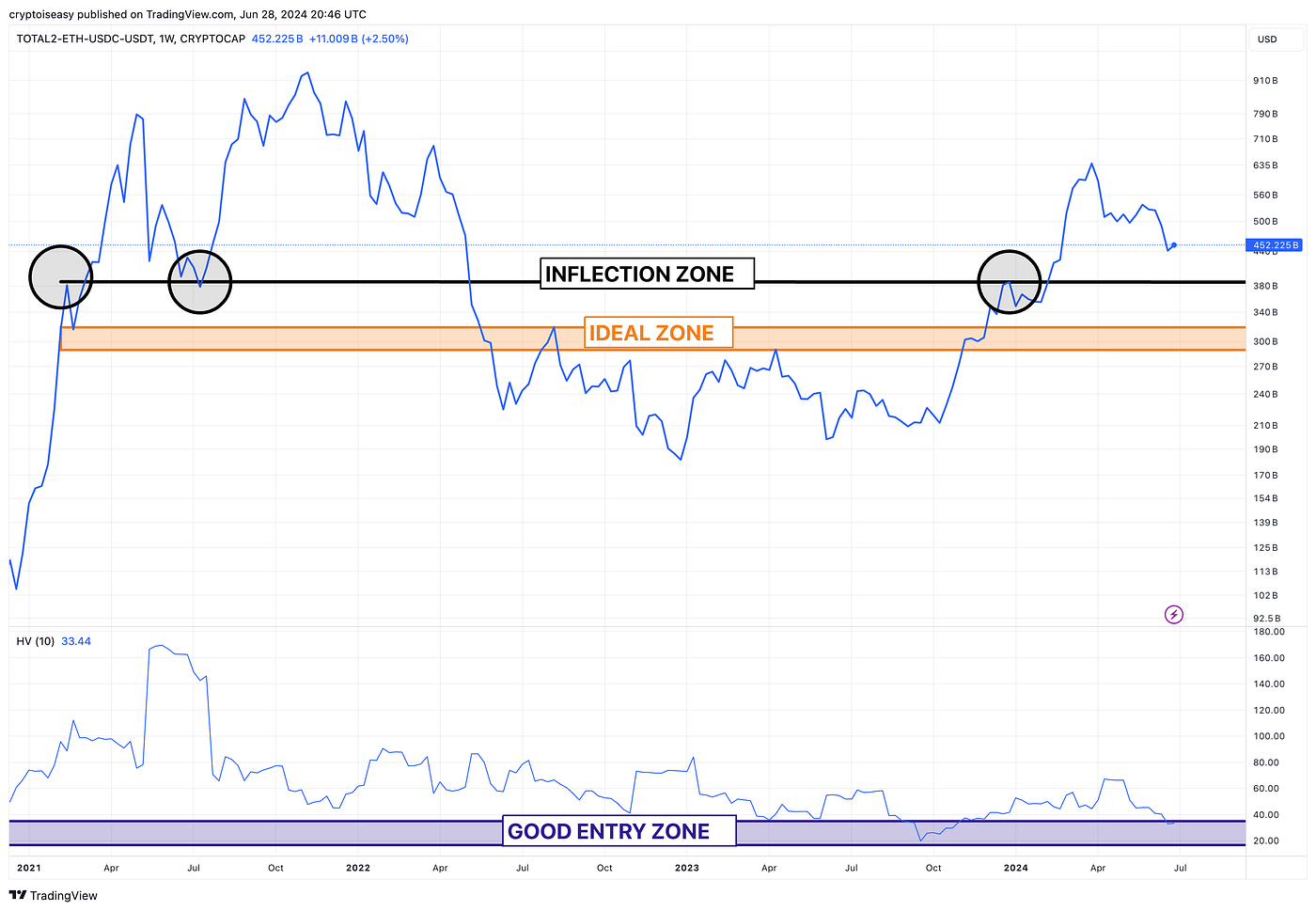
Volatility in the crypto market refers to the degree of variation in the price of a cryptocurrency over time. High volatility means prices can swing dramatically in a short period, while low volatility indicates more stable pricing. For traders, daily volatility presents both opportunities and risks.
Key Indicators of Market Volatility
- Price Movement Speed: A sharp increase in the amplitude of price movement is often the first sign of rising volatility. Where the market previously moved within a predictable range, it may now fluctuate rapidly.
- Retracement Quality: As volatility increases, corrections become less predictable. Pullbacks may be choppy or excessively deep, complicating stop placement.
- False Moves: Price may quickly pass through key levels, only to reverse just as quickly. These false moves can lead to losses if not managed properly.
- Trader Behavior: Increased urgency and a desire to act faster than usual are common reactions to volatile markets, often leading to mistakes.
Strategies for Trading Crypto Volatility Daily
Ranged Markets on Thales
One of the simplest ways to trade crypto volatility is through Ranged Markets on the Thales protocol. This strategy involves betting on whether the price of an asset will fall within a specified range at maturity.
- How It Works: Traders buy IN or OUT tokens based on their prediction of the asset's price at the settlement date. If the price stays within the range, IN tokens pay out; if it falls outside, OUT tokens do.
- Example: Suppose BTC is trading between $16,500 and $20,500. If you believe the price will stay within this range, you buy IN tokens. If you think it will break out, you buy OUT tokens.
- Potential Returns: In one example, buying 1,000 OUT tokens for 567.8 USDC could yield a 76.1% return if the price moves outside the range.
Crypto Volatility Index (CVI)
Another approach is using the Crypto Volatility Index (CVI), which measures expected volatility based on option prices. The CVI can be used for hedging or as a tool to anticipate large market moves.
- How It Works: The CVI reflects the market’s expectation of future volatility. A high CVI indicates increased uncertainty, while a low CVI suggests stability.
- Trading Strategy: After a significant spike in the CVI, traders might consider shorting the index, as volatility often reverts to the mean after a sharp increase.
- Historical Example: In May 2021, the CVI reached 158.4 following Elon Musk’s tweet about Bitcoin, leading to a 27% drop in Bitcoin’s value.
Momentum Trading
Momentum trading involves buying assets that have performed well recently and shorting those that have underperformed. This strategy leverages the tendency of strong performers to continue outperforming.
- How It Works: Traders analyze recent performance over a specific lookback window, typically 49 days, and select the top-performing assets to hold for a shorter period, such as 7 days.
- Example: A simple momentum strategy on Binance yielded a 0.69% weekly return, translating to a 43% annual return. While this may seem modest, it highlights the potential of even basic strategies in a volatile market.
- Considerations: Adjustments can be made to avoid trading during bear markets, where performance may lag.
Tips for Successful Daily Volatility Trading
1. Use Stop-Loss Orders
Given the unpredictable nature of daily volatility, setting stop-loss orders is essential. These orders automatically close your position if the price moves against you, limiting potential losses.
2. Stay Informed
Keep track of market news, regulatory changes, and macroeconomic factors that can impact crypto prices. Being aware of external influences helps you anticipate volatility and adjust your strategy accordingly.
3. Diversify Your Portfolio
Avoid putting all your capital into a single asset. Diversification across different cryptocurrencies and trading strategies can reduce risk and enhance overall returns.
4. Practice Risk Management
Determine how much you’re willing to risk on each trade and stick to your limits. Avoid overleveraging, as this can amplify losses during volatile periods.
5. Continuously Learn and Adapt
The crypto market is constantly evolving. Stay updated with new tools, strategies, and market trends. Regularly review your performance and make adjustments as needed.
Conclusion
Trading crypto volatility daily requires a combination of knowledge, strategy, and discipline. By understanding the indicators of market volatility, employing effective strategies like Ranged Markets, CVI, and momentum trading, and following best practices for risk management, you can navigate the crypto market with confidence. As the market continues to evolve in 2024, staying informed and adaptable will be key to success. Whether you're a seasoned trader or just starting out, the opportunities in crypto volatility trading are vast, provided you approach them with the right mindset and tools.
