A Beginner's Guide to Understanding Crypto: Everything You Need to Know
Cryptocurrency has become a hot topic in recent years, but for many, it still feels like a complex and confusing concept. Whether you're curious about how it works or want to start investing, understanding the basics of crypto is essential. This guide will walk you through everything you need to know as a beginner, from what cryptocurrency is to how it functions and even how to get started.

What is Cryptocurrency?

At its core, cryptocurrency is a digital form of money that operates independently of traditional banking systems. Unlike fiat currencies (like the U.S. dollar or euro), which are issued and regulated by governments, cryptocurrencies are decentralized and rely on blockchain technology to function.
The first and most well-known cryptocurrency is Bitcoin, created in 2009 by an anonymous person or group using the pseudonym Satoshi Nakamoto. Since then, thousands of other cryptocurrencies have emerged, each with unique features and purposes.
Cryptocurrencies can be used to buy goods and services, send money across borders, or even invest in new projects. They offer a level of privacy and security that traditional financial systems often lack, making them appealing to a wide range of users.
How Does Cryptocurrency Work?
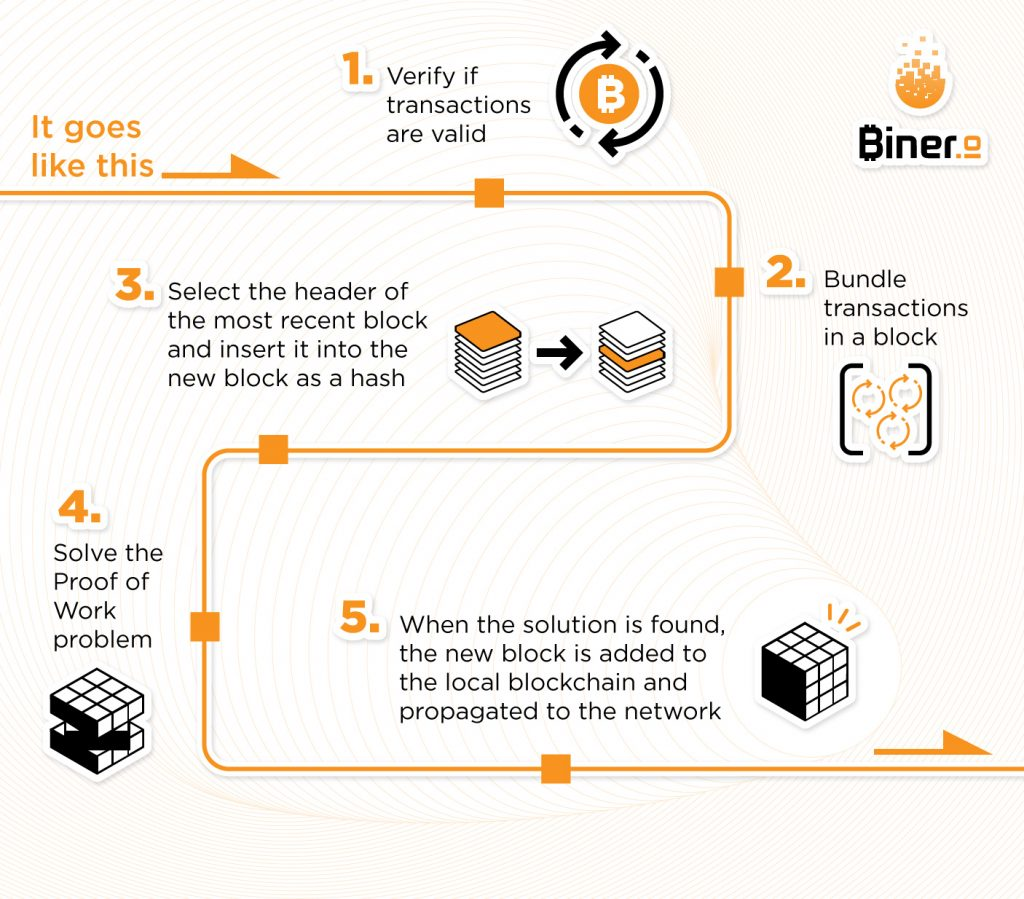
Cryptocurrency relies on a technology called blockchain, which is a distributed ledger system that records all transactions across a network of computers. This ensures transparency and security, as no single entity controls the entire system.
Here’s a simplified breakdown of how it works:
- Transactions: When someone sends cryptocurrency to another person, the transaction is broadcast to the network.
- Verification: Miners or validators (depending on the type of blockchain) verify the transaction by solving complex mathematical problems.
- Block Creation: Once verified, the transaction is grouped with others into a block.
- Adding to the Chain: The block is then added to the existing blockchain, creating a permanent record of the transaction.
This process ensures that all transactions are secure, transparent, and tamper-proof. It also eliminates the need for intermediaries like banks, allowing for peer-to-peer transactions.
Key Concepts in Cryptocurrency

To fully understand cryptocurrency, it’s important to grasp some key concepts:
- Wallets: These are digital tools where you store your cryptocurrencies. There are different types of wallets, including software wallets, hardware wallets, and paper wallets.
- Exchanges: These are platforms where you can buy, sell, and trade cryptocurrencies. Popular exchanges include Binance, Coinbase, and Kraken.
- Mining: This is the process by which new cryptocurrency is created and transactions are verified. Miners use powerful computers to solve complex puzzles, and in return, they receive newly minted coins.
- Smart Contracts: These are self-executing contracts with the terms of the agreement directly written into code. They are commonly used in blockchain platforms like Ethereum.
Understanding these concepts will help you navigate the world of cryptocurrency more effectively.
Types of Cryptocurrencies

While Bitcoin is the most famous cryptocurrency, there are thousands of others, each with its own unique features and use cases. Here are a few common types:
- Bitcoin (BTC): The first and most widely recognized cryptocurrency. It is often seen as a digital alternative to gold.
- Ethereum (ETH): Known for its smart contract functionality, Ethereum allows developers to build decentralized applications (dApps) on its platform.
- Ripple (XRP): Designed for fast and low-cost international money transfers, Ripple is popular among financial institutions.
- Litecoin (LTC): Often referred to as the "silver" to Bitcoin's "gold," Litecoin is known for its faster transaction times.
Each cryptocurrency serves a different purpose, so it's important to research and understand what you're investing in.
How to Buy and Sell Cryptocurrency
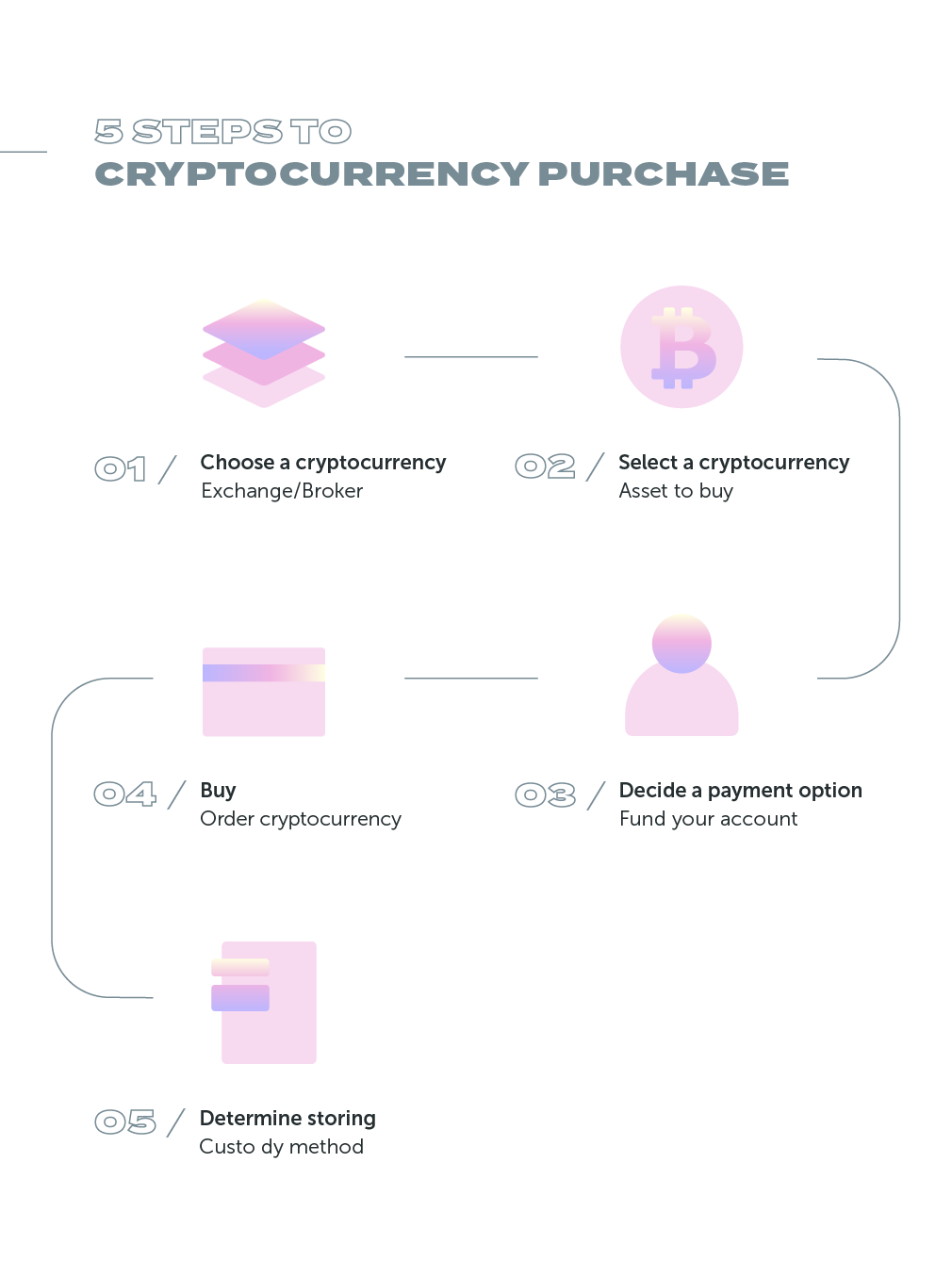
If you're interested in buying or selling cryptocurrency, here’s a step-by-step guide:
- Choose a Wallet: Select a secure wallet to store your cryptocurrencies. Hardware wallets are generally considered the most secure option.
- Select an Exchange: Choose a reputable exchange where you can buy and sell cryptocurrencies. Make sure to check for fees, security features, and available cryptocurrencies.
- Create an Account: Sign up for an account on the exchange and complete any necessary verification steps.
- Fund Your Account: Deposit funds into your exchange account using a bank transfer, credit card, or other payment method.
- Buy Cryptocurrency: Use the funds in your account to purchase the cryptocurrency you’re interested in.
- Sell Cryptocurrency: If you decide to sell, place a sell order on the exchange and wait for it to be executed.
Always remember to do your own research and never invest more than you can afford to lose.
Risks and Considerations

While cryptocurrency offers many benefits, it's not without risks. Here are a few important considerations:
- Volatility: Cryptocurrency prices can fluctuate wildly, sometimes within minutes. This makes it a high-risk investment.
- Security: While blockchain is secure, exchanges and wallets can be targets for hackers. Always use strong passwords and enable two-factor authentication.
- Regulation: The regulatory landscape for cryptocurrency is still evolving. Different countries have different rules, so it's important to stay informed.
- Tax Implications: In the United States, the IRS treats cryptocurrency as property, which means capital gains taxes may apply when you sell or trade it.
Understanding these risks can help you make more informed decisions and protect your investments.
Conclusion
Cryptocurrency is a fascinating and rapidly evolving field that offers new opportunities for investors, entrepreneurs, and everyday users. By understanding the basics, you can make more informed decisions and navigate the world of crypto with confidence. Whether you're looking to invest, trade, or simply learn more, this guide provides a solid foundation to start your journey. Remember to always do your research, stay informed, and approach cryptocurrency with a balanced perspective.
