How Smart Contracts Are Revolutionizing Financial Services
In the ever-evolving landscape of financial services, innovation is key to staying competitive. One of the most transformative technologies making waves in this sector is smart contracts. These self-executing agreements, built on blockchain technology, are redefining how transactions are conducted, managed, and secured. Whether you're a finance professional, a business owner, or simply curious about the future of money, understanding how smart contracts work and their impact on financial services is essential.
This article will explore the role of smart contracts in modern finance, their benefits, real-world applications, and how they’re shaping the future of the industry. By the end, you’ll have a clear picture of why smart contracts are more than just a buzzword—they’re a game-changer.
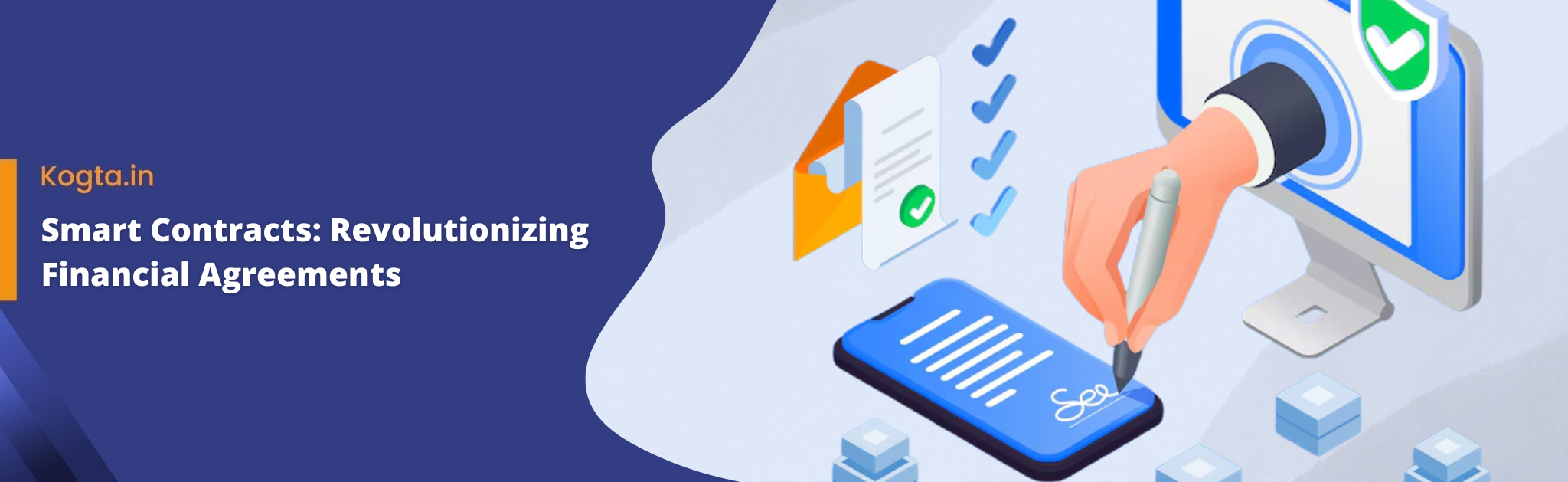
What Are Smart Contracts?
At their core, smart contracts are digital agreements that automatically execute when specific conditions are met. Unlike traditional contracts, which require manual enforcement by parties involved, smart contracts use code to enforce terms without intermediaries. They run on blockchain networks, ensuring transparency, security, and immutability.
For example, if two parties agree on a payment for a service, the smart contract can be programmed to release funds once the service is completed and verified. This eliminates the need for third-party verification, reduces delays, and minimizes the risk of fraud.
Smart contracts are not limited to simple transactions. They can manage complex processes like loan approvals, insurance claims, and even international trade. Their ability to automate tasks with precision and speed is what makes them so powerful in the financial sector.
Key Benefits of Smart Contracts in Finance

The adoption of smart contracts in financial services brings numerous advantages, many of which address long-standing inefficiencies in the industry. Here are some of the most significant benefits:
-
Automation: Smart contracts eliminate the need for manual processing, reducing time and labor costs. Tasks like invoice approvals, payment settlements, and compliance checks can be handled automatically.
-
Transparency: All transactions are recorded on the blockchain, creating an immutable and transparent ledger. This makes it easier to track, audit, and verify financial activities.
-
Security: The decentralized nature of blockchain ensures that data is secure and tamper-proof. Once deployed, smart contracts cannot be altered, providing a high level of trust and integrity.
-
Cost Efficiency: By removing intermediaries such as banks, lawyers, and brokers, smart contracts reduce transaction fees and operational costs.
-
Speed: Smart contracts execute instantly once conditions are met, significantly speeding up financial processes that would otherwise take days or weeks.
These benefits make smart contracts an attractive solution for businesses looking to streamline operations and improve efficiency.
Real-World Applications of Smart Contracts in Finance
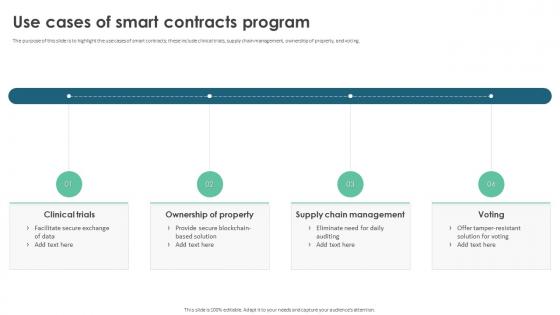
Smart contracts are already being used across various financial sectors, transforming the way transactions are conducted. Here are some of the most notable applications:
1. Automated Insurance Claims
Insurance companies are using smart contracts to streamline claim processing. For instance, auto insurance policies can be set up to automatically pay out when a sensor detects an accident. This reduces the need for manual verification and speeds up the payout process.
2. Decentralized Lending Platforms
Platforms like Aave and Compound use smart contracts to facilitate peer-to-peer lending. Borrowers can access loans without needing a traditional bank, while lenders earn interest automatically based on the terms set in the smart contract.
3. Trade Finance
Smart contracts are revolutionizing international trade by automating letter of credit processes. Instead of relying on paper-based documentation and multiple intermediaries, smart contracts ensure that payments are released only when goods are delivered and verified.
4. Mortgage Processing
Real estate transactions can benefit from smart contracts by automating mortgage approvals and property transfers. Once a buyer meets the agreed-upon conditions, the smart contract can release funds and transfer ownership seamlessly.
5. Supply Chain Finance
Smart contracts help track and verify supply chain transactions, ensuring that payments are made only when goods are delivered. This improves cash flow for businesses and reduces the risk of fraud.
Challenges and Considerations
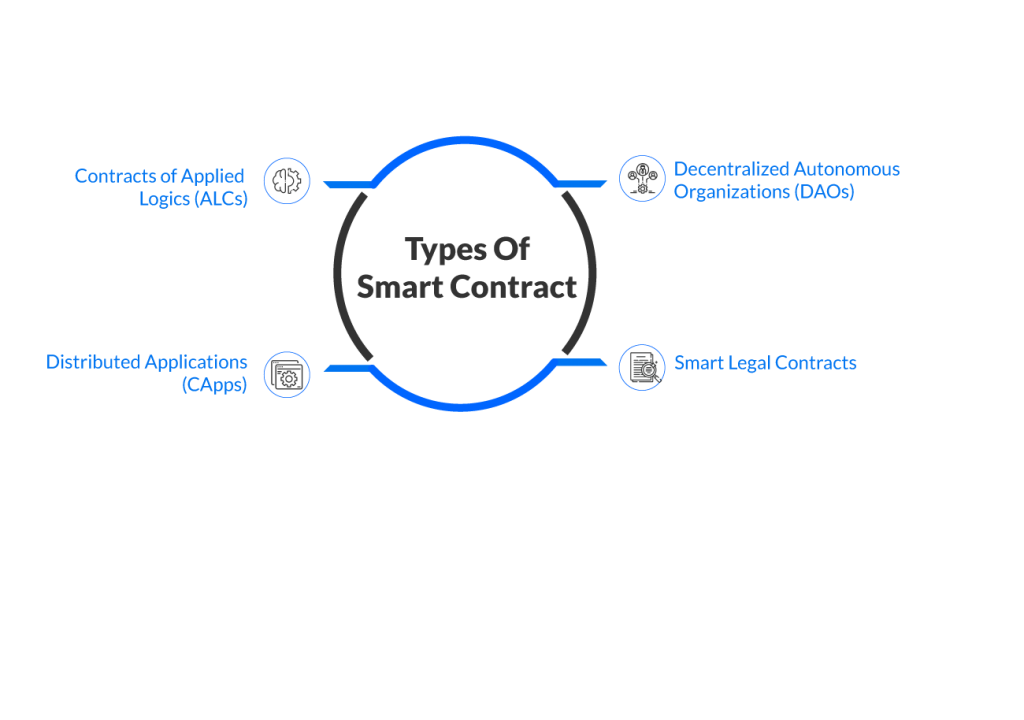
While smart contracts offer numerous benefits, they also come with challenges that must be addressed:
-
Security Risks: Poorly coded smart contracts can be exploited, leading to financial losses. High-profile incidents like the DAO hack highlight the importance of rigorous testing and auditing.
-
Regulatory Uncertainty: The legal framework surrounding smart contracts is still evolving. Financial institutions must navigate complex regulations and ensure compliance.
-
Integration Complexity: Integrating smart contracts with existing systems can be technically challenging. It often requires collaboration between IT departments and blockchain experts.
Despite these challenges, the potential of smart contracts in finance is too great to ignore. As the technology matures and regulatory clarity improves, more organizations are likely to adopt smart contracts.
How to Get Started with Smart Contracts

If your organization is considering implementing smart contracts, here are some steps to get started:
-
Assess Your Needs: Identify areas where automation can bring the most value. Invoice processing, loan approvals, and compliance checks are good starting points.
-
Partner with Experts: Work with blockchain developers or consultants who can help design and deploy smart contracts tailored to your business needs.
-
Start Small: Begin with a pilot project to test the effectiveness of smart contracts before scaling up.
-
Monitor and Optimize: Continuously monitor performance and refine your smart contract implementations based on feedback and results.
By taking a strategic approach, you can harness the power of smart contracts to transform your financial operations.
The Future of Smart Contracts in Finance

As the financial industry continues to evolve, smart contracts are poised to play an even greater role. With advancements in blockchain technology, increased regulatory support, and growing awareness of their benefits, we can expect to see widespread adoption in the coming years.
From automated insurance claims to seamless cross-border payments, smart contracts are reshaping the financial landscape. They offer a future where transactions are faster, more secure, and less costly—benefiting both businesses and consumers alike.
For those looking to stay ahead of the curve, now is the time to explore the possibilities of smart contracts. Whether you're a finance professional, a business leader, or a tech enthusiast, the opportunities are vast, and the potential is limitless.
