How to Invest Safely in Cryptocurrency as a New Investor
Cryptocurrency has captured the imagination of investors around the world, offering the potential for high returns and new opportunities. However, it's also one of the most volatile and complex asset classes, with risks that can be difficult to manage, especially for beginners. For new investors, the key to success lies in understanding how to invest safely in crypto while navigating its inherent uncertainties.
This article will guide you through essential strategies and best practices to help you approach cryptocurrency investing with confidence and caution. Whether you're just starting out or looking to refine your approach, these insights will help you build a safer, more informed investment journey.
Invest Only What You Can Risk

One of the most critical principles of investing—especially in something as unpredictable as cryptocurrency—is to only put money into the market that you can afford to lose. The crypto space is known for extreme price swings, and even the most promising projects can experience dramatic downturns.
Before diving into crypto, ensure you have a solid financial foundation. This includes having an emergency fund covering at least three to six months of living expenses. Once you're financially stable, consider allocating no more than 5% of your total portfolio to cryptocurrencies. This limit helps protect your overall wealth from the market’s volatility while still allowing you to participate in potential gains.
Tip: Start small. Many beginners choose to invest just 1% to 2% of their portfolio initially, gradually increasing their exposure as they gain more experience and confidence.
Implement Dollar-Cost Averaging for Crypto
Dollar-cost averaging (DCA) is a powerful strategy that can help mitigate the impact of market volatility. Instead of trying to time the market by buying large amounts at once, DCA involves making regular, fixed investments over time. This could mean investing a set amount every week or month, regardless of the current price.
The beauty of DCA is that it removes the emotional pressure of trying to predict market movements. By consistently investing, you’ll end up buying more when prices are low and less when prices are high, which can smooth out the effects of volatility over time.
Tip: Automate your investments through a trusted exchange to maintain consistency and avoid the temptation to make impulsive decisions based on short-term price fluctuations.
Focus on Fundamental Analysis for Crypto Investments

Unlike traditional stocks, where metrics like earnings and revenue drive value, evaluating cryptocurrencies requires a different approach. Look beyond the hype and focus on the fundamentals of each project. This includes:
- Real-world adoption: Does the cryptocurrency solve a tangible problem or serve a growing user base?
- Technology: Is the underlying blockchain secure, scalable, and innovative?
- Team: Are the developers and founders experienced and trustworthy?
- Community: Is there an active and engaged community supporting the project?
Avoid assets that rely solely on speculation or hype. Instead, seek out projects with clear use cases, strong teams, and proven track records. Bitcoin and Ethereum, for example, have established themselves as leaders due to their robust technology and widespread adoption.
Prioritize Major Cryptocurrencies First

For new investors, it's wise to start with well-established cryptocurrencies like Bitcoin and Ethereum. These projects have weathered multiple market cycles and have demonstrated resilience over time. They also offer a range of financial products, such as ETFs and derivatives, which can provide additional layers of security and diversification.
While it's tempting to chase the next big thing, remember that smaller or newer cryptocurrencies often come with higher risks. If you're interested in exploring emerging projects, do so cautiously and only after gaining a solid understanding of the market.
Tip: Consider rebalancing your portfolio periodically, taking profits from major coins and reinvesting in promising new projects with real-world utility.
Secure Your Crypto Assets Properly
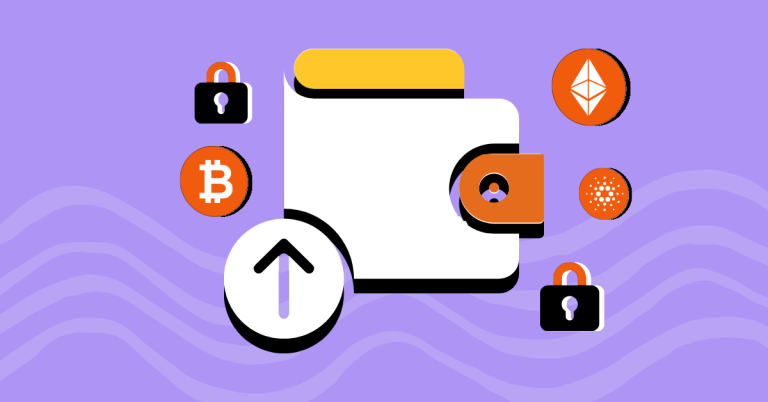
One of the biggest risks in cryptocurrency investing is losing your assets to theft or hacking. To protect your holdings, always store them securely. The safest option is a hardware wallet, such as Ledger or Trezor, which keeps your private keys offline and away from potential cyber threats.
Avoid leaving large amounts of crypto on exchanges, as they are frequent targets for hackers. If you must keep some funds on an exchange, use strong passwords, enable two-factor authentication, and only store what you need for immediate trading.
Also, never share your recovery phrase or private keys with anyone. Store them in a secure location, such as a locked safe or a bank vault. If you must store them digitally, ensure they are encrypted and password-protected.
Maintain Objectivity in Crypto Investment Decisions

Emotions can be a dangerous ally in investing. Fear of missing out (FOMO), greed, and hype can lead to impulsive decisions that harm your portfolio. Stay objective by basing your choices on research and logic rather than market sentiment.
Avoid speculative meme coins or projects that promise unrealistic returns. These often turn out to be scams or pump-and-dump schemes. Always verify information from multiple sources and consult trusted financial advisors if needed.
Tip: Keep a diversified portfolio across different asset classes. Don’t let crypto dominate your investments, especially if you’re not comfortable with its risks.
Learn the Technology Behind Cryptocurrencies

Understanding the technology that powers cryptocurrencies can give you a significant edge. Take the time to learn about blockchain, consensus mechanisms (like proof-of-work and proof-of-stake), smart contracts, and other key concepts. This knowledge will help you better assess the long-term potential of different projects.
Stay updated on industry developments by following reputable publications and blogs. Engage with communities on platforms like Reddit or Twitter, but always verify the credibility of the information you encounter.
Stay Informed on Crypto Regulations and News

Regulatory changes can have a massive impact on the crypto market. Stay informed about legal developments in your country and globally. For example, when China banned crypto mining, it sent shockwaves through the industry. Similarly, proposed regulations in the U.S. could affect everything from trading to taxation.
Follow news from reliable sources and pay attention to how different governments are approaching crypto. Understanding the regulatory landscape can help you make more informed investment decisions and avoid unexpected pitfalls.
Utilize Crypto Indicators for Smarter Investments

While it's impossible to predict the future of the market, technical indicators can help you make smarter decisions. Tools like moving averages, relative strength index (RSI), and on-chain analytics can provide insights into market trends and potential entry or exit points.
Combine these tools with fundamental analysis for a more complete view of the market. Remember, however, that crypto is highly speculative, and no indicator is foolproof. Always maintain a long-term perspective and avoid reacting to short-term price swings.
Develop a Disciplined Crypto Investment Strategy

Finally, create a clear, rules-based investment strategy. Define your goals, risk tolerance, and criteria for entering or exiting positions. Stick to your plan and avoid making impulsive decisions based on emotions or market noise.
Regularly review and adjust your strategy as needed, but don’t change it frequently. Consistency is key to long-term success in any investment.
Conclusion
Investing in cryptocurrency can be both exciting and risky, especially for new investors. However, with the right approach, you can navigate this complex market with greater confidence and safety. By following the strategies outlined in this article—such as investing only what you can afford to lose, using dollar-cost averaging, focusing on fundamentals, and securing your assets—you can build a more resilient and informed portfolio.
Remember, crypto is still evolving, and the market will continue to mature over time. Patience, education, and discipline are your greatest allies in this journey. With careful planning and a long-term perspective, you can position yourself to benefit from the opportunities that cryptocurrency offers—while minimizing the risks.
