How to Manage Daily Risks in Crypto Trading: A Comprehensive Guide
In the fast-paced world of cryptocurrency trading, managing daily risks is not just a good idea—it's essential. The crypto market is known for its volatility, and without proper risk management strategies, even the most experienced traders can suffer significant losses. This guide will walk you through practical steps to protect your investments and make informed decisions every day.
Understanding the Basics of Risk Management

Risk management in crypto trading involves identifying, assessing, and prioritizing risks to minimize potential losses. It's about making calculated decisions rather than relying on gut feelings or emotions. One of the fundamental aspects of risk management is position sizing, which refers to determining how much of a particular asset you should buy or sell based on your account size and risk tolerance.
For example, if you have a $10,000 trading account and decide to risk 2% on a single trade, you would only allocate $200 to that trade. This approach ensures that even if the trade goes against you, it won't wipe out your entire account. Using tools like a position size calculator can help you determine the right amount to invest, based on factors such as the currency pair, account size, and percentage of your account you're willing to risk.
Setting Clear Goals and Limits

Before diving into the market, it's crucial to set clear goals and limits. What do you want to achieve with your trades? Are you looking for short-term gains or long-term growth? Defining these objectives helps you stay focused and avoid impulsive decisions.
Additionally, setting stop-loss orders can be an effective way to limit potential losses. A stop-loss order automatically sells a security when it reaches a certain price, preventing further losses if the market moves against you. Similarly, take-profit orders can lock in gains once a trade reaches a predetermined level.
It's also wise to establish daily loss limits. For instance, if you're comfortable losing up to 5% of your account balance in a day, you can exit any trades that exceed this threshold. This discipline helps maintain control over your trading activities and prevents emotional decision-making.
Diversifying Your Portfolio

Diversification is another key strategy in managing daily risks. Instead of putting all your capital into a single cryptocurrency, consider spreading your investments across different assets. This approach reduces the impact of any single asset's performance on your overall portfolio.
For example, if you're invested in Bitcoin, Ethereum, and a few altcoins, a drop in Bitcoin's value might be offset by gains in other assets. However, it's important to note that diversification doesn't eliminate risk entirely; it simply spreads it out. Always research each asset thoroughly before adding it to your portfolio.
Staying Informed and Adapting Strategies
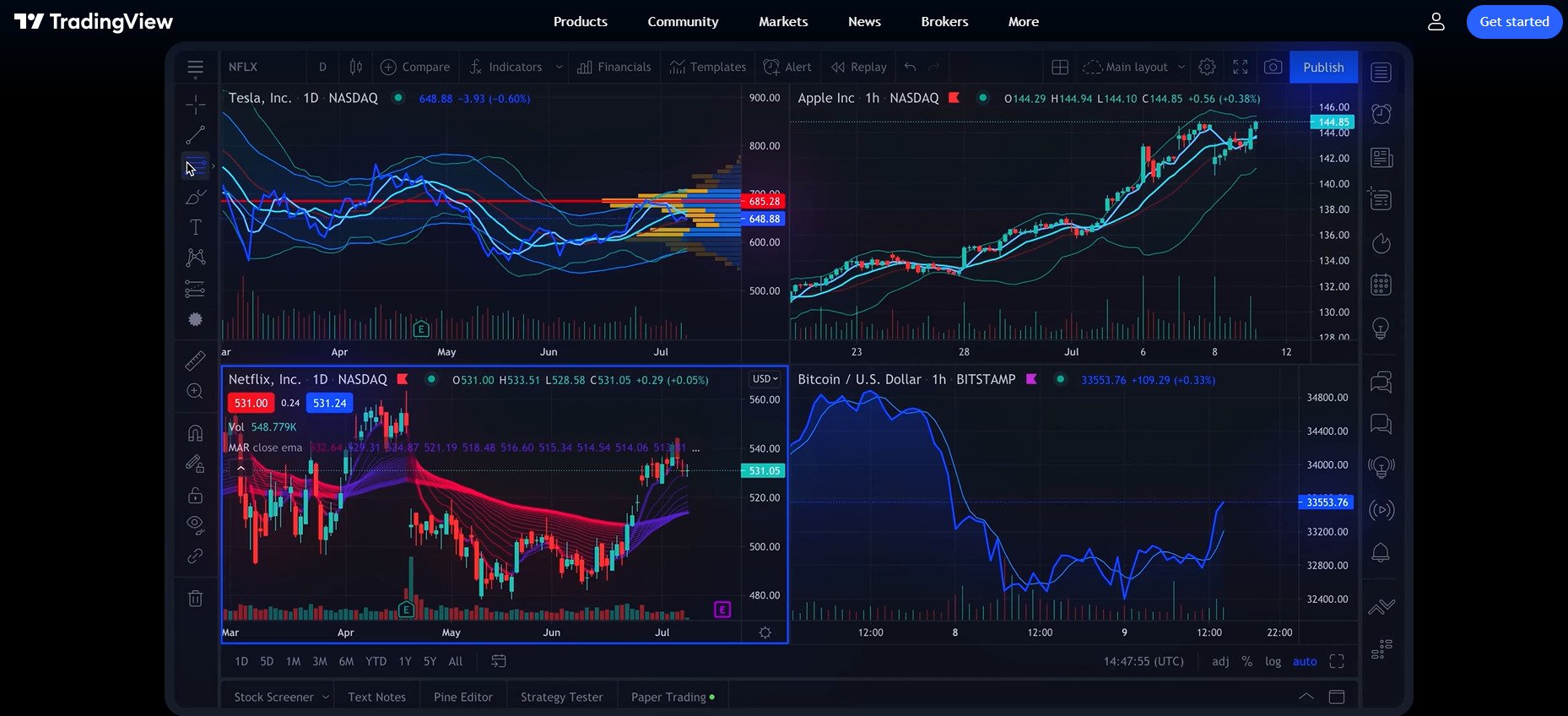
The crypto market is highly dynamic, and staying informed is crucial for effective risk management. Keep track of market trends, news, and regulatory changes that could impact your investments. Subscribing to reliable sources like CoinMarketCap can provide real-time data and insights to help you make informed decisions.
Moreover, being adaptable is essential. If a particular strategy isn't working, don't be afraid to adjust it. Market conditions change rapidly, and what worked yesterday may not work today. Regularly reviewing and refining your risk management plan can help you stay ahead of potential challenges.
Utilizing Technology and Tools

Leveraging technology can significantly enhance your risk management efforts. There are numerous tools and platforms available that offer features such as automated trading, real-time alerts, and advanced analytics. These tools can help you monitor your portfolio, identify potential risks, and execute trades more efficiently.
For instance, using a position size calculator can help you determine the optimal amount to invest in each trade, while charting tools can provide visual representations of market trends. Additionally, many trading platforms offer features like margin trading and leverage, which can amplify both gains and losses. It's important to use these tools responsibly and understand their implications.
Building a Risk Management Mindset

Ultimately, successful risk management in crypto trading requires a mindset shift. Instead of focusing solely on potential profits, prioritize protecting your capital. This means being patient, disciplined, and willing to walk away from a trade if the risks outweigh the rewards.
Remember, the goal is not to predict the market but to manage your exposure effectively. By adopting a proactive approach to risk management, you can navigate the crypto market with greater confidence and resilience.
Conclusion
Managing daily risks in crypto trading is a critical skill that can make the difference between success and failure. By understanding the basics of risk management, setting clear goals and limits, diversifying your portfolio, staying informed, utilizing technology, and building a disciplined mindset, you can protect your investments and increase your chances of long-term success. With the right strategies in place, you'll be better equipped to handle the inherent volatility of the crypto market and make informed decisions that align with your financial goals.
