Key Recent Crypto Industry Developments to Watch in 2024
The cryptocurrency industry has continued to evolve rapidly, with new developments shaping the landscape for investors, regulators, and everyday users. While digital assets may not dominate headlines during the U.S. presidential election, their influence is growing, particularly among voters in key swing states. As we look ahead to 2024, several trends and shifts are worth watching closely. This article explores the most significant recent crypto industry developments, from policy changes to technological advancements, and how they could impact the broader financial ecosystem.
The Rise of Crypto-Friendly Policies

One of the most notable trends in the crypto space this year has been the increasing alignment of political candidates with crypto-friendly policies. According to a16z’s “State of Crypto 2024” report, over 40 million Americans now hold cryptocurrencies, with a majority supporting candidates who advocate for regulatory frameworks that foster innovation while protecting consumers.
In swing states like Pennsylvania and Wisconsin, where the outcome of the presidential race could be pivotal, interest in crypto has surged. Google Trends data shows these states have seen some of the largest increases in crypto-related searches since 2020. This trend suggests that cryptocurrency is no longer just a niche topic but a growing concern for voters across the political spectrum.
- Key Insight: Candidates who support clear, balanced regulations are likely to gain favor among crypto holders, especially in states where digital assets are becoming more mainstream.
The Impact of Exchange-Traded Products (ETPs)
Another major development in 2024 has been the expansion of Bitcoin and Ethereum exchange-traded products (ETPs). These ETPs, available on major traditional exchanges, have made it easier for everyday investors to gain exposure to digital assets without directly holding them.
According to the a16z report, as of September 2024, Bitcoin and Ethereum funds held $65 billion in onchain assets. This represents a significant milestone, as it indicates that institutional and retail investors alike are increasingly viewing cryptocurrencies as a legitimate investment class.
- Key Insight: The availability of ETPs is expected to drive further adoption, particularly among younger demographics. For example, 25% of Americans between the ages of 18 and 34 now own cryptocurrencies, suggesting that the next generation is more open to digital assets than previous ones.
The Debate Over Central Bank Digital Currencies (CBDCs)
As the crypto industry grows, so too does the conversation around central bank digital currencies (CBDCs). In the United States, the Federal Reserve has been researching a digital version of the dollar since 2020. However, this initiative has faced resistance from both lawmakers and certain political candidates.
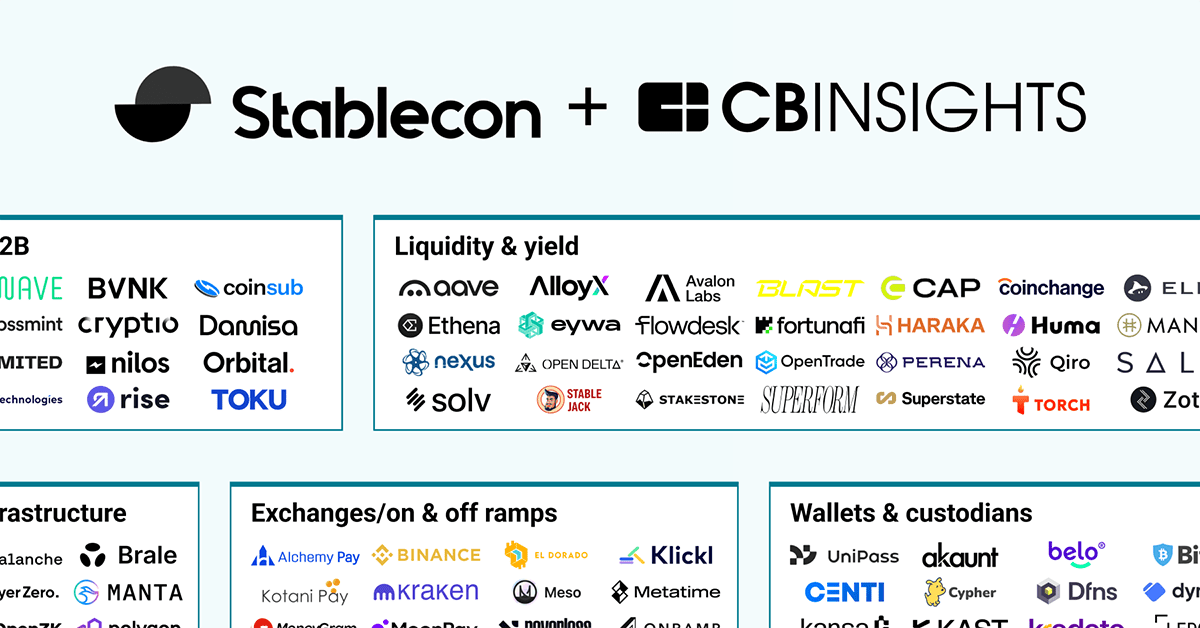
Meanwhile, stablecoins—digital tokens pegged to traditional currencies like the U.S. dollar—have emerged as a private-sector alternative. These stablecoins have become a critical part of the global financial system, facilitating fast and low-cost transactions across borders.
- Key Insight: Stablecoins currently account for over 99% of all stablecoin currency shares, with issuers holding $92 billion in U.S. Treasurys. Their role in enabling cross-border transactions is expanding rapidly, with transaction volumes surpassing those of major payment networks like Visa.
Regulatory Clarity and the Need for Stability
Regulatory uncertainty has long been a challenge for the crypto industry. However, recent developments suggest that clarity is beginning to take shape. A16z’s report highlights the need for stablecoin regulatory frameworks to avoid issues similar to the collapse of FTX, which exposed vulnerabilities in the sector.
While the U.S. government has yet to finalize a comprehensive regulatory approach, there are signs that policymakers are moving toward a more structured framework. This shift could provide much-needed stability for investors and businesses operating in the space.
- Key Insight: Clear regulations will be essential for the long-term growth of the industry. Without them, the risk of another major failure remains high, potentially deterring mainstream adoption.
The Role of Stablecoins in the Global Economy
Stablecoins have also played a critical role in maintaining the dominance of the U.S. dollar as the world's reserve currency. Despite the rise of CBDCs, stablecoins continue to serve as a bridge between traditional finance and the digital economy.
According to the a16z report, stablecoins processed $8.5 trillion in transaction volume across 1.1 billion transactions in the second quarter of 2024 alone. This figure far exceeds the transaction volume of major payment processors like Visa, highlighting the scale and efficiency of stablecoin networks.
- Key Insight: As stablecoins continue to grow, their influence on the global financial system will only increase. This presents both opportunities and challenges for regulators, who must balance innovation with consumer protection.
What’s Next for the Crypto Industry?
Looking ahead, the crypto industry is poised for further growth, driven by technological advancements, regulatory progress, and increased adoption. However, challenges remain, including the need for greater transparency, stronger security measures, and a more unified regulatory approach.
For investors and enthusiasts, staying informed about these developments is crucial. Whether you're interested in Bitcoin, Ethereum, or emerging DeFi platforms, understanding the latest trends can help you make more informed decisions.
Conclusion
The crypto industry is at an inflection point in 2024, with significant developments shaping its future. From the rise of ETPs to the debate over CBDCs, the landscape is constantly evolving. As more Americans embrace digital assets, the need for clear regulations and responsible innovation becomes even more pressing.
Whether you're a seasoned investor or simply curious about the future of money, keeping an eye on these trends will help you navigate the ever-changing world of cryptocurrency. With the right knowledge and perspective, the potential of digital assets can be harnessed for the benefit of all.
