The Ultimate Guide to Sustainable Crypto Mining Practices in 2024

Cryptocurrency has become a cornerstone of the digital economy, offering decentralized, secure, and transparent financial systems. However, as the industry grows, so does the concern over its environmental impact. Traditional crypto mining, particularly Bitcoin mining, is known for its high energy consumption and carbon footprint. But with the rise of innovative solutions, sustainable crypto mining practices are becoming more accessible and essential. This guide explores the latest strategies, technologies, and initiatives that are shaping the future of eco-friendly cryptocurrency mining.
Understanding the Environmental Impact of Crypto Mining

Crypto mining involves validating transactions on a blockchain network by solving complex mathematical problems. This process requires significant computational power, which translates into high energy consumption. According to the University of Cambridge, Bitcoin alone consumes around 121.36 terawatt-hours (TWh) annually—more than the total electricity usage of countries like Argentina.
The primary energy sources for mining operations have historically been fossil fuels, contributing to greenhouse gas emissions and climate change. Additionally, the rapid obsolescence of mining hardware generates electronic waste (e-waste), further straining the environment.
Transitioning to Proof of Stake (PoS)
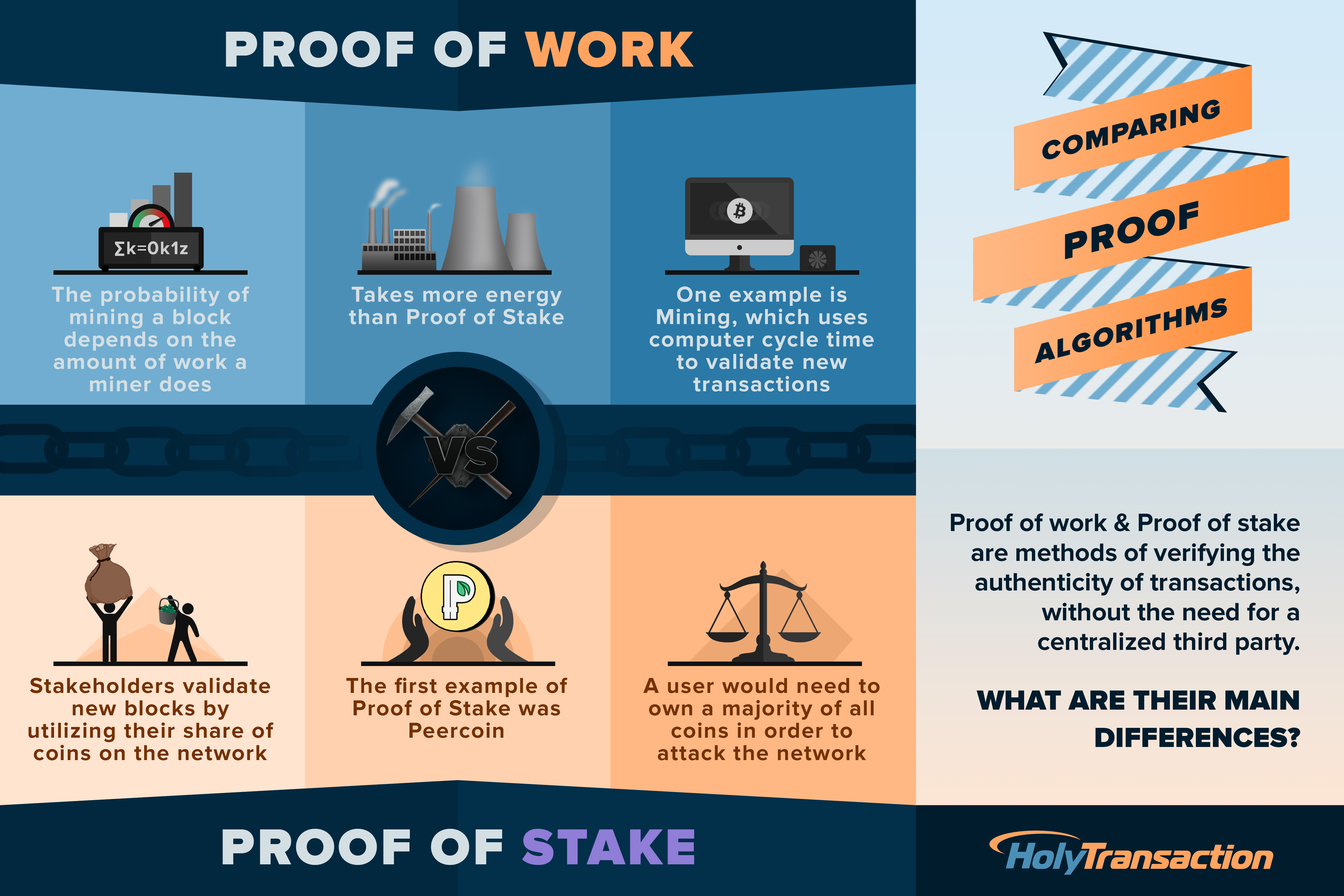
One of the most significant shifts in the crypto space is the move from Proof of Work (PoW) to Proof of Stake (PoS). PoW, used by Bitcoin and Ethereum until recently, requires miners to solve complex puzzles using powerful computers, consuming vast amounts of energy. In contrast, PoS selects validators based on the amount of cryptocurrency they hold and are willing to "stake" as collateral.
Ethereum's transition to PoS in 2022 marked a major milestone in sustainable crypto mining. This shift reduced Ethereum's energy consumption by over 99%, making it a more environmentally friendly alternative. Other blockchains, such as Cardano and Algorand, have also adopted PoS mechanisms, proving that sustainability and security can coexist.
Benefits of PoS:

- Energy Efficiency: PoS eliminates the need for energy-intensive mining hardware.
- Lower Costs: Reduced energy consumption leads to lower operational costs.
- Scalability: PoS allows for faster transaction processing and improved network scalability.
Leveraging Renewable Energy Sources
Another critical strategy for sustainable crypto mining is the use of renewable energy sources. Solar, wind, hydro, and geothermal power offer clean alternatives to fossil fuels, significantly reducing the carbon footprint of mining operations.
Many mining facilities are now located in regions with abundant renewable resources. For example, hydroelectric power in Canada and solar farms in Texas are being utilized to power large-scale mining operations. Some companies even offer carbon offset programs, where a portion of mining rewards is allocated to environmental initiatives like reforestation or renewable energy projects.
Key Renewable Energy Options:

- Solar Power: Ideal for regions with high sunlight exposure.
- Wind Power: Suitable for areas with consistent wind patterns.
- Hydroelectric Power: Efficient and reliable, especially in mountainous regions.
- Geothermal Energy: Provides stable, continuous power in volcanic regions.
Implementing Energy-Efficient Hardware
Advancements in mining technology have led to the development of energy-efficient hardware that reduces power consumption without compromising performance. Application-Specific Integrated Circuits (ASICs) are now more efficient than traditional GPUs, allowing miners to validate transactions with less energy.
For instance, the Bitmain Antminer S19 Pro Hyd is designed to mine Bitcoin efficiently while consuming relatively low energy. By investing in the latest mining equipment, miners can reduce their electricity bills and minimize environmental impact.
Tips for Choosing Energy-Efficient Hardware:

- Look for devices with high hash rates per watt.
- Consider the long-term cost savings of energy-efficient models.
- Opt for hardware with good cooling systems to prevent overheating.
Joining Green Mining Pools
Mining pools allow individuals to combine their computational power to increase their chances of validating blocks and earning rewards. By joining green mining pools, miners can support sustainable practices and contribute to a more eco-friendly crypto ecosystem.
Some pools, like PEGA POOL, prioritize the use of renewable energy and allocate a portion of their fees to environmental initiatives. Participating in these pools not only supports sustainability but also fosters a sense of community among miners who share similar values.
Benefits of Green Mining Pools:

- Access to shared resources and expertise.
- Reduced individual energy costs.
- Contribution to environmental causes.
Practicing Responsible E-Waste Management
The fast-paced nature of crypto mining means that hardware becomes obsolete quickly, leading to a growing e-waste problem. Proper e-waste management is crucial to minimizing the environmental impact of mining operations.
Miners should: - Recycle old hardware through certified e-waste recyclers. - Donate functional equipment to schools or non-profits. - Repurpose components for other uses, such as building new mining rigs.
By adopting responsible e-waste practices, miners can reduce the environmental burden associated with discarded hardware.
Promoting Transparency and Accountability

Transparency is key to ensuring that sustainable practices are followed. Miners and mining companies should be open about their energy sources, carbon emissions, and environmental initiatives.
Several platforms now provide carbon footprint tracking tools that allow users to monitor the environmental impact of their mining activities. These tools help raise awareness and encourage more sustainable behavior within the crypto community.
Steps to Promote Transparency:

- Disclose energy sources and consumption data.
- Share progress on sustainability initiatives.
- Engage with the community to discuss environmental challenges and solutions.
The Role of Government and Regulation
Governments play a vital role in promoting sustainable crypto mining practices. Policies that incentivize the use of renewable energy, regulate energy consumption, and enforce e-waste management standards can drive the industry toward greener solutions.
In the United States, for example, the White House proposed the Digital Asset Mining Energy (DAME) tax in 2024, aiming to address the environmental impact of crypto mining. While this tax may seem steep, it encourages miners to adopt more sustainable practices and invest in cleaner energy sources.
How Governments Can Support Sustainability:

- Offer subsidies for renewable energy adoption.
- Implement regulations that limit energy consumption.
- Encourage research and development of eco-friendly mining technologies.
Conclusion
Sustainable crypto mining is no longer a distant goal—it’s an essential part of the industry’s evolution. By transitioning to energy-efficient consensus mechanisms, leveraging renewable energy, and adopting responsible practices, miners can reduce their environmental impact while still benefiting from the advantages of blockchain technology.
As the demand for eco-friendly cryptocurrencies continues to grow, the industry must prioritize innovation alongside sustainability. With the right strategies and collective efforts, the future of crypto mining can be both profitable and environmentally responsible.
