Today's Cryptocurrency Performance: Key Trends and Market Movements
Cryptocurrency has become a focal point for investors, technologists, and regulators alike. With the market constantly shifting, understanding today’s cryptocurrency performance is essential for anyone looking to navigate this dynamic landscape. Whether you're an experienced trader or a curious newcomer, staying informed about current trends and movements can help you make smarter decisions. In this article, we’ll break down the latest developments in the crypto market, explore key players like Bitcoin and Ethereum, and discuss what’s driving the fluctuations in prices and volumes.

Understanding Today’s Market Dynamics
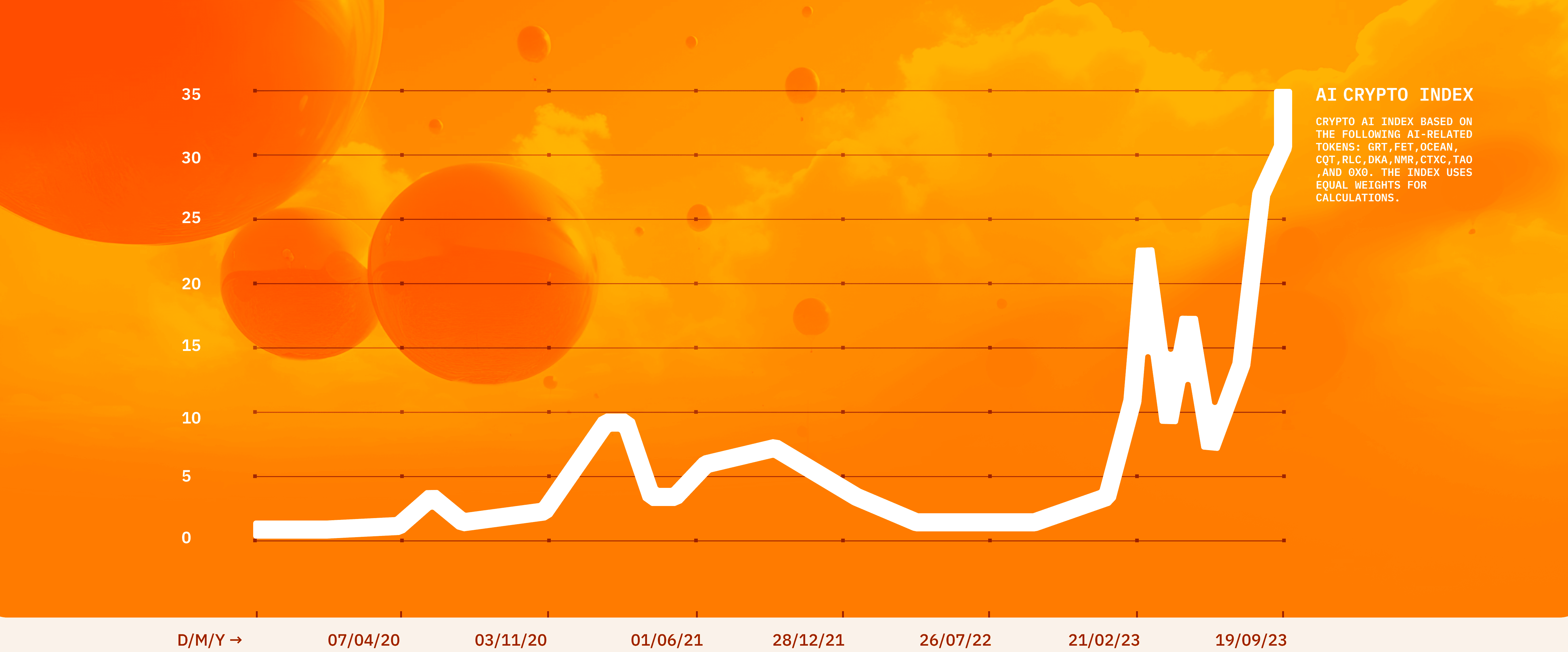
The cryptocurrency market is known for its volatility, but today’s performance reflects a mix of cautious optimism and underlying concerns. According to the latest data from CoinMarketCap, Bitcoin’s dominance stands at around 67%, indicating that it still holds a significant portion of the total market capitalization. Ethereum follows closely behind with approximately 9% of the market share. These figures suggest that while Bitcoin remains the dominant player, Ethereum continues to gain traction as a platform for decentralized applications and smart contracts.
One of the most notable trends today is the increase in trading volume. The 24-hour trading volume has reached over $262 billion, showing heightened activity among traders. This surge in volume could be attributed to several factors, including positive news about regulatory developments, technological advancements, or even speculative interest driven by social media and influencer endorsements.
Bitcoin’s Performance and Environmental Concerns

Bitcoin’s performance today is influenced by both its technical fundamentals and external factors such as environmental concerns. As one of the most well-known cryptocurrencies, Bitcoin has faced scrutiny over its energy consumption. Reports have highlighted that each Bitcoin transaction consumes about 1,173 kWh of electricity, which is enough to power an average American home for six weeks. Additionally, the annual energy usage of Bitcoin is comparable to that of a country like Finland.
Despite these concerns, many miners are now relying on renewable energy sources. Estimates suggest that between 40-75% of Bitcoin mining operations use renewable energy. However, critics argue that increasing the use of renewable energy for Bitcoin could detract from other essential sectors like healthcare and manufacturing. On the flip side, some proponents believe that the expansion of Bitcoin mining could actually lead to the development of new solar and wind farms.
Ethereum’s Growth and Technological Advancements

Ethereum has been making waves with its continuous updates and improvements. Since its launch in 2015, Ethereum has undergone several major network upgrades, including the Constantinople, Istanbul, Muir Glacier, Berlin, and London hard forks. Each update aims to enhance the platform's efficiency, security, and scalability.
Currently, Ethereum’s price is on the rise, driven by increased demand for decentralized applications (dApps) and smart contracts. The recent London hard fork introduced changes that aim to improve transaction processing and reduce gas fees, making it more accessible for users. These technological advancements position Ethereum as a strong competitor to Bitcoin, especially in the realm of decentralized finance (DeFi) and non-fungible tokens (NFTs).
Regulatory Developments and Market Sentiment

Regulatory developments play a crucial role in shaping the cryptocurrency market. In the United States, there have been ongoing discussions about the future of crypto mining and its environmental impact. A recent congressional hearing addressed concerns regarding fossil fuel consumption and the coal-to-crypto trend, particularly in states like New York and Pennsylvania.
These regulatory discussions can significantly influence investor sentiment. While some lawmakers advocate for stricter regulations, others support a more lenient approach to foster innovation. The outcome of these debates will likely impact the overall performance of the cryptocurrency market in the coming months.
Investment Strategies and Risk Management

For investors, understanding today’s cryptocurrency performance is not just about tracking prices; it also involves developing sound investment strategies and risk management techniques. Diversification is key, as the cryptocurrency market is highly volatile. Investors should consider allocating their funds across different assets to mitigate potential losses.
Additionally, staying informed about market trends and news is essential. Subscribing to reliable financial news sources, following expert analyses, and participating in online communities can provide valuable insights. It's also important to conduct thorough research before making any investment decisions.
Conclusion
Today’s cryptocurrency performance highlights the complex interplay between technological advancements, environmental concerns, and regulatory developments. As the market continues to evolve, staying informed and adaptable is crucial for both seasoned investors and newcomers. By understanding the key trends and movements, you can better navigate the ever-changing landscape of cryptocurrencies and make more informed decisions.
Whether you're interested in Bitcoin's dominance, Ethereum's growth, or the broader implications of regulatory changes, the cryptocurrency market offers numerous opportunities and challenges. As always, it's important to approach this space with caution, diligence, and a long-term perspective. The future of cryptocurrency is uncertain, but with the right knowledge and strategy, you can position yourself to take advantage of the opportunities that lie ahead.
