Understanding Crypto Risks for Beginners: A Comprehensive Guide
If you're new to the world of cryptocurrency, it's essential to understand the risks involved before diving in. While cryptocurrencies like Bitcoin and Ethereum have captured the imagination of many, they come with a unique set of challenges that can impact your investments. This guide will walk you through the key risks beginners should be aware of, along with practical tips to help you navigate this complex and rapidly evolving space.

What Makes Cryptocurrencies Risky?
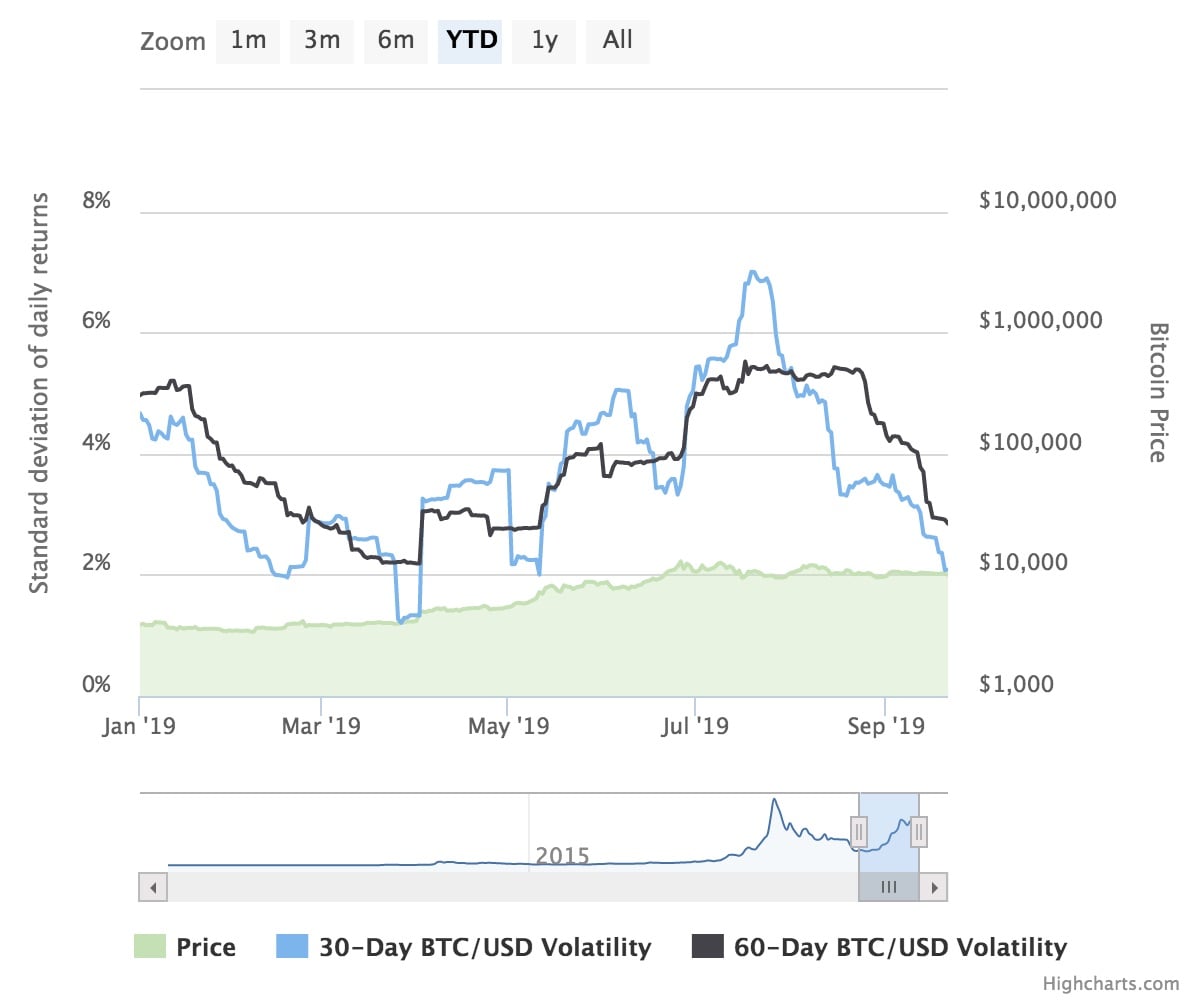
Cryptocurrencies are a relatively new asset class, and their novelty brings both opportunities and risks. Unlike traditional investments such as stocks or bonds, cryptocurrencies operate in a decentralized environment with fewer regulatory safeguards. This lack of oversight, combined with high volatility, makes them inherently riskier. Let’s break down some of the most significant risks you should know about.
1. Market Volatility
One of the most well-known aspects of cryptocurrency is its extreme price fluctuations. Unlike traditional assets, which tend to move more gradually, crypto prices can swing dramatically within hours or even minutes. For example, Bitcoin has seen swings of over 20% in a single day on multiple occasions.
This volatility can be both a blessing and a curse. While it offers the potential for rapid gains, it also means that losses can accumulate just as quickly. If you’re not prepared for these ups and downs, you could end up losing a significant portion of your investment.
Key Takeaway: Always be prepared for sudden price changes and never invest more than you can afford to lose.
2. Regulatory Uncertainty

Governments around the world are still figuring out how to regulate cryptocurrencies. In some countries, like China, crypto is outright banned. In others, like the United States, regulators are still developing frameworks to address issues like fraud, taxation, and market manipulation.
The lack of clear regulations creates uncertainty for investors. Changes in policy can lead to sudden shifts in the market, affecting the value of your holdings. For example, if a major regulatory body like the SEC classifies a particular cryptocurrency as a security, it could trigger a wave of selling or even legal complications for holders.
Key Takeaway: Stay informed about regulatory developments in your country and how they might affect your investments.
3. Security Risks

Cryptocurrencies are stored in digital wallets, and while these wallets offer convenience, they also pose security risks. If your private keys are lost, stolen, or compromised, there’s no way to recover your funds. Unlike traditional banking systems, where you can dispute charges or reverse transactions, crypto transactions are final once they’re completed.
Additionally, exchanges and wallet providers are frequent targets of hackers. There have been numerous instances of large-scale hacks resulting in billions of dollars in losses. To mitigate this risk, it’s crucial to use secure storage solutions, such as hardware wallets, and avoid keeping large amounts of crypto on exchange platforms.
Key Takeaway: Use cold storage (offline wallets) for long-term holdings and never share your private keys with anyone.
4. Scams and Fraud

The crypto space has attracted its fair share of scammers, making it one of the most dangerous areas for new investors. Common scams include phishing attacks, fake Initial Coin Offerings (ICOs), and Ponzi schemes. These tactics are often designed to lure investors with promises of quick returns.
For example, a scammer might create a fake website that mimics a legitimate exchange or a popular project, tricking users into sending their funds to the wrong address. Once the money is gone, it’s nearly impossible to recover.
Key Takeaway: Always do your research, verify the legitimacy of projects, and never send money to untrusted sources.
5. Liquidity Issues

Not all cryptocurrencies are created equal when it comes to liquidity. While Bitcoin and Ethereum are among the most liquid assets, many smaller coins suffer from low trading volumes. This can make it difficult to buy or sell your holdings without significantly impacting the price.
If you find yourself holding a less liquid coin and need to sell quickly, you may be forced to accept a lower price than expected. This is especially true during periods of market stress or panic.
Key Takeaway: Diversify your portfolio across more liquid assets to reduce the risk of being stuck with an illiquid holding.
How to Mitigate Crypto Risks
While the risks associated with cryptocurrencies are real, they aren’t insurmountable. By taking the right precautions, you can significantly reduce your exposure to these dangers.
1. Diversify Your Portfolio
One of the best ways to manage risk is through diversification. Instead of putting all your money into a single cryptocurrency, consider spreading your investments across multiple assets. This can help cushion the blow if one particular coin experiences a sharp decline.
Additionally, you can diversify by investing in crypto-related assets such as ETFs, index funds, or even blockchain-based companies. These alternatives often carry lower risk while still offering exposure to the broader crypto market.
2. Stay Informed
The crypto market is constantly changing, so staying informed is crucial. Follow reputable news sources, join online communities, and keep an eye on regulatory updates. The more you know, the better equipped you’ll be to make informed decisions.
3. Use Secure Wallets
As mentioned earlier, security is a major concern in the crypto space. Using a combination of hot and cold wallets can help protect your assets. Cold wallets, such as hardware devices, are ideal for long-term storage, while hot wallets are convenient for everyday transactions.
4. Educate Yourself
Before investing, take the time to learn about how cryptocurrencies work. Understand the technology behind them, the different types of coins, and the various use cases. The more knowledge you have, the more confident you’ll be in your decisions.
Final Thoughts
Cryptocurrencies offer exciting opportunities, but they also come with significant risks. As a beginner, it’s important to approach this space with caution, education, and a clear understanding of what you’re getting into. By recognizing the risks and taking steps to mitigate them, you can make more informed decisions and increase your chances of success in the crypto market.
Remember, the goal isn’t to chase quick profits—it’s to build a sustainable and informed investment strategy that aligns with your financial goals. With the right mindset and preparation, you can navigate the crypto landscape with confidence.
