Understanding Recent Crypto Price Movements: What You Need to Know
The world of cryptocurrency has always been a rollercoaster, but recent price movements have left many investors and analysts scratching their heads. Whether you're a seasoned trader or a curious newcomer, understanding what's driving these fluctuations is essential. In this article, we'll break down the factors influencing crypto prices, explore the current market landscape, and offer insights on how to navigate this volatile terrain.
The Current State of the Crypto Market
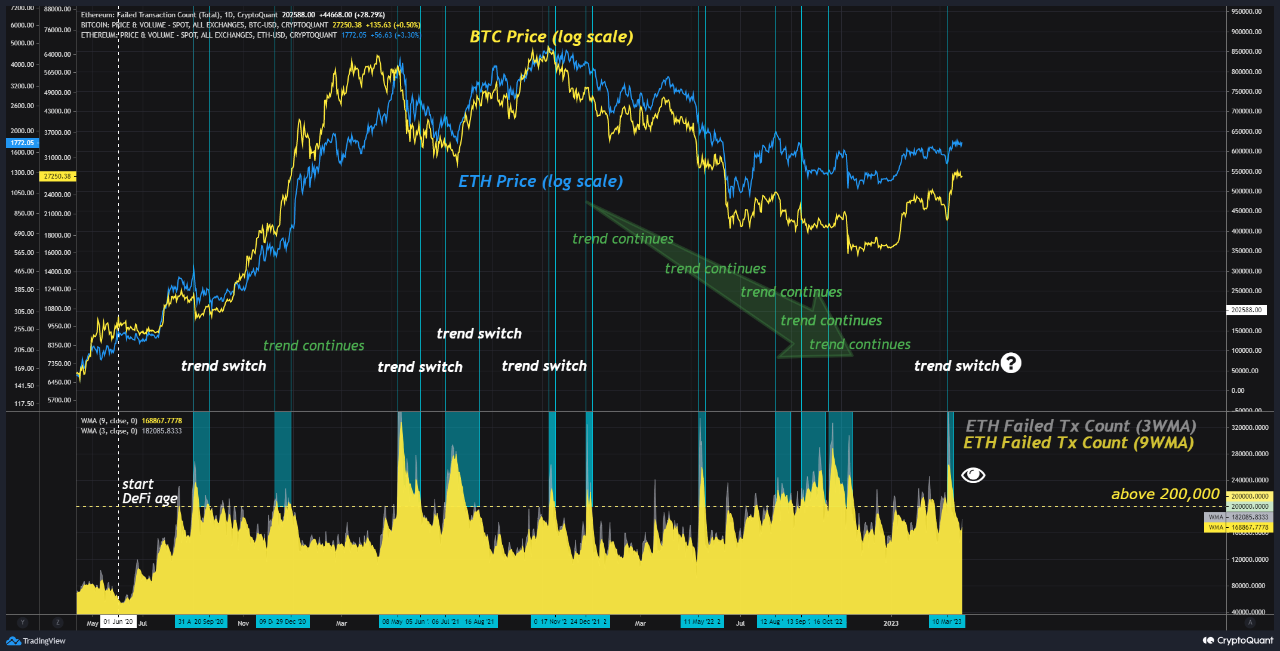
Cryptocurrency markets are known for their extreme volatility, but recent trends have shown some interesting patterns. Bitcoin, the largest cryptocurrency by market cap, has experienced significant swings in value, often reacting to macroeconomic events, regulatory news, and technological advancements. Ethereum, the second-largest, has also seen its share of ups and downs, influenced by developments in the DeFi (Decentralized Finance) space and upgrades like the Merge.
One key factor behind recent price movements is the broader economic environment. With inflation concerns and central bank policies shaping the financial landscape, crypto assets are increasingly being viewed as an alternative to traditional investments. This has led to increased interest from institutional investors, who are now more actively participating in the market.
Key Drivers of Price Volatility
Several factors contribute to the price movements in the crypto market:
-
Monetary Policy: Central banks' decisions on interest rates and quantitative easing can significantly impact investor sentiment. For example, if the Federal Reserve lowers interest rates, it can make borrowing cheaper, potentially increasing demand for riskier assets like cryptocurrencies.
-
Regulatory Developments: Changes in regulations can have a profound effect on the market. Positive regulatory news, such as the approval of a new crypto ETF, can boost prices, while negative news, like increased scrutiny from regulators, can cause sharp declines.
-
Technological Advancements: Innovations within the blockchain space, such as the introduction of new protocols or improvements in scalability, can drive up the value of certain cryptocurrencies. For instance, the rise of NFTs (Non-Fungible Tokens) has created new opportunities and increased interest in specific tokens.
-
Market Sentiment: Investor sentiment plays a crucial role in determining price movements. Social media, news headlines, and analyst opinions can all influence how people perceive the value of a particular cryptocurrency.
Real-Life Examples of Price Movements
To better understand the dynamics at play, let's look at some real-life examples of recent crypto price movements:
-
Bitcoin's 50% Drop: In early 2023, Bitcoin experienced a sharp decline, dropping over 50% from its peak. This was largely attributed to a combination of macroeconomic uncertainty and a lack of confidence in the broader market. However, this drop also presented opportunities for long-term investors who saw the potential for recovery.
-
Ethereum's Upgrades: The successful completion of Ethereum's Merge in September 2022 marked a significant milestone for the platform. This upgrade improved the network's efficiency and sustainability, leading to a gradual increase in its price as investors recognized the long-term value of the project.
-
Stablecoin Controversies: The collapse of Terra and UST in 2022 sent shockwaves through the crypto community. This event highlighted the risks associated with stablecoins and led to increased scrutiny from regulators, impacting the overall market sentiment.
How to Navigate the Crypto Market
Given the unpredictable nature of the crypto market, it's essential to adopt a strategic approach when investing. Here are some practical tips to help you navigate the current landscape:
-
Diversify Your Portfolio: Don't put all your eggs in one basket. Spread your investments across different cryptocurrencies and other asset classes to mitigate risk.
-
Stay Informed: Keep up-to-date with the latest news and developments in the crypto space. Follow reputable sources and engage with communities to gain insights into market trends.
-
Set Clear Goals: Define your investment goals and risk tolerance before entering the market. This will help you make informed decisions and avoid emotional trading.
-
Use Stop-Loss Orders: Implement stop-loss orders to limit potential losses in case the market moves against you. This can provide a safety net during periods of high volatility.
-
Consider Long-Term Strategies: While short-term trading can be lucrative, it's important to consider long-term strategies that align with your financial goals. Holding onto promising projects can yield substantial returns over time.
The Role of Institutional Investors
Institutional investors are increasingly playing a significant role in the crypto market. As more hedge funds, asset managers, and traditional financial institutions enter the space, they bring with them a level of credibility and capital that can stabilize the market. Their involvement often leads to increased liquidity and more sophisticated trading strategies, which can benefit both retail and institutional investors.
However, it's important to note that institutional participation can also lead to increased competition and pressure on smaller investors. Therefore, staying informed about the actions of major players in the market is crucial.
Conclusion
Recent crypto price movements reflect a complex interplay of factors, including macroeconomic conditions, regulatory changes, technological advancements, and market sentiment. Understanding these dynamics can help investors make more informed decisions and navigate the volatile landscape with greater confidence. By diversifying portfolios, staying informed, and adopting a strategic approach, investors can position themselves to take advantage of the opportunities presented by the crypto market. As the market continues to evolve, staying adaptable and informed will be key to long-term success.
