What Is BTC Market Structure and Why It Matters for Investors
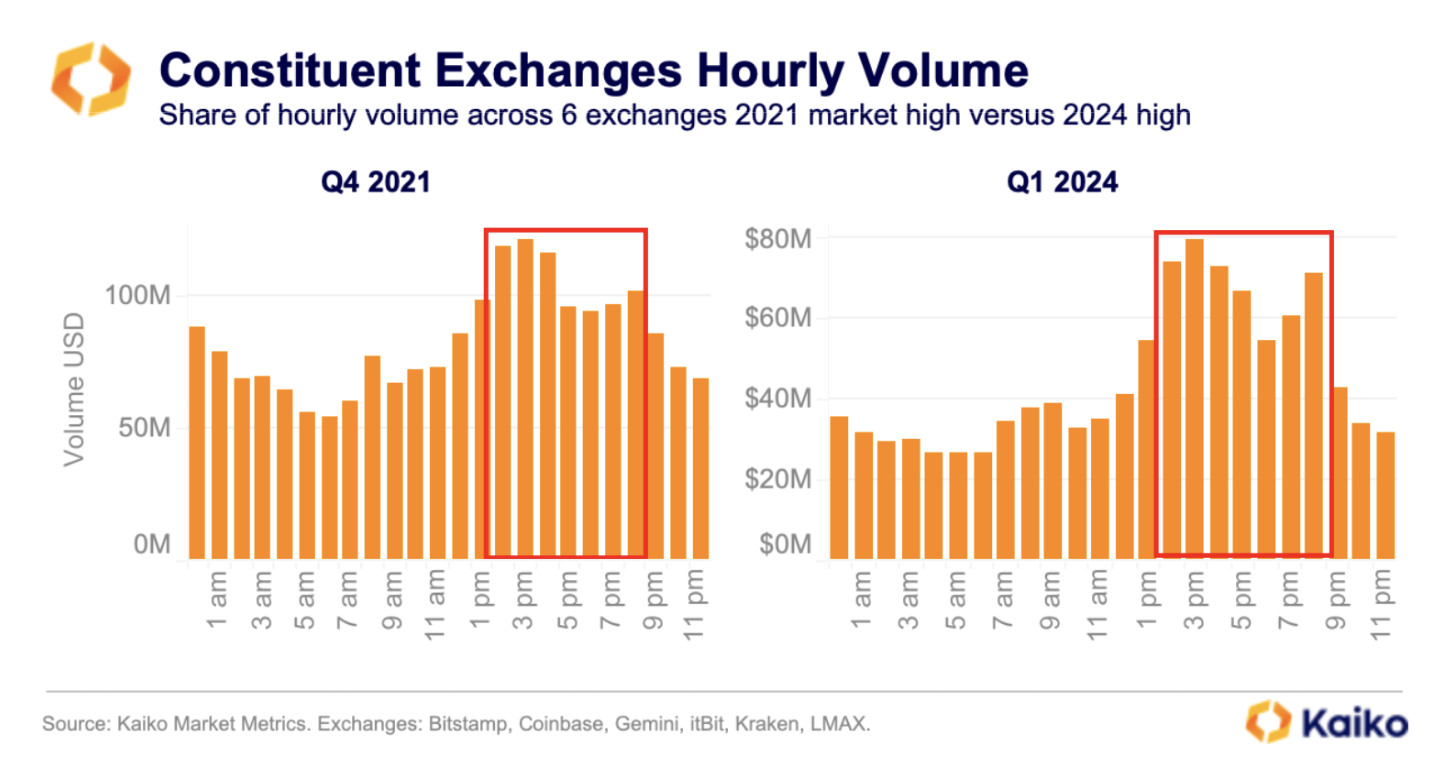
Understanding the BTC market structure is essential for anyone looking to navigate the world of cryptocurrency, especially Bitcoin. As the first and most prominent digital asset, Bitcoin has established a unique market framework that influences everything from price movements to investor behavior. Whether you're a seasoned trader or a new investor, grasping how this market operates can provide valuable insights into making informed decisions.
The Basics of BTC Market Structure
At its core, the BTC market structure refers to the way Bitcoin is traded, priced, and influenced by various factors. This includes the interactions between buyers and sellers, the role of exchanges, and the impact of macroeconomic events. Unlike traditional financial markets, the BTC market is decentralized, which means it operates across multiple platforms and is not controlled by a single entity.
The market structure also encompasses key metrics such as trading volume, price volatility, and liquidity. These elements play a critical role in determining how Bitcoin behaves in different market conditions. For example, high trading volumes often indicate strong interest in the asset, while significant price swings can signal uncertainty or speculation.
Key Components of BTC Market Structure
- Exchanges: Platforms where Bitcoin is bought and sold, such as Binance, Coinbase, and Kraken.
- Liquidity: The ease with which Bitcoin can be converted into cash without affecting its price.
- Volatility: The degree to which Bitcoin's price fluctuates over time.
- Market Sentiment: The overall attitude of investors toward Bitcoin, which can influence buying and selling behavior.
How BTC Market Structure Influences Investor Behavior
Investor behavior is heavily influenced by the BTC market structure. When the market is trending upward, it often leads to increased participation from both retail and institutional investors. Conversely, during periods of decline, many investors may choose to hold onto their Bitcoin rather than sell at a loss.
For instance, when the price of Bitcoin drops significantly, it can trigger a wave of selling as investors panic. This phenomenon is known as "capitulation," where holders are forced to sell due to market pressure. On the other hand, when the market shows signs of recovery, it can lead to a surge in buying activity as investors regain confidence.
Real-Life Examples of Market Influence
Consider the recent drop in Bitcoin’s price below $63,000. This event was marked by a significant increase in short-term holder selling, as indicated by the Short-Term Holder SOPR (STH-SOPR) metric. This data suggests that many investors were selling at a loss, contributing to the downward spiral in price. However, analysts believe that such extreme levels of selling could signal a potential bottom, as historical patterns show that after similar dips, Bitcoin often rebounds.
Another example is the impact of macroeconomic factors on the BTC market. When the U.S. government announced a new 15% global tariff, it created uncertainty among investors, leading to a sharp decline in Bitcoin's price. This highlights how external factors can directly affect the BTC market structure and investor sentiment.
Understanding Market Indicators
To effectively navigate the BTC market, it's crucial to understand key indicators that can help predict future price movements. These include:
- Relative Strength Index (RSI): A momentum oscillator that measures the speed and change of price movements. An RSI below 30 typically indicates an oversold condition, suggesting a potential rebound.
- Volume: High trading volume can signal strong interest in Bitcoin, while low volume may indicate a lack of enthusiasm.
- Whale Activity: Large investors, or "whales," can significantly impact the market. Their buying and selling patterns can provide insights into future price trends.
Practical Insights for Investors
- Monitor Key Metrics: Keep an eye on RSI, volume, and whale activity to gauge market sentiment.
- Stay Informed: Follow news and developments that could affect the BTC market, such as regulatory changes or economic policies.
- Diversify Investments: Don't put all your capital into Bitcoin. Diversification can help mitigate risk.
The Role of Institutional Investors
Institutional investors play a significant role in shaping the BTC market structure. Their large-scale investments can influence price movements and market stability. For example, when major institutions start accumulating Bitcoin, it often signals a positive outlook for the asset.
Recent data shows that Bitcoin whales have been increasing their BTC positions, indicating renewed confidence in the market. This trend, combined with the introduction of a strategic Bitcoin reserve by the U.S. government, could further stabilize the market and attract more institutional investors.
Institutional Impact on Market Dynamics
- Increased Liquidity: Institutional involvement often leads to higher trading volumes and improved liquidity.
- Price Stability: Large investors can help smooth out price volatility by acting as a stabilizing force in the market.
- Long-Term Growth: Institutional investment can contribute to long-term growth and adoption of Bitcoin.
Conclusion
Understanding the BTC market structure is vital for any investor looking to participate in the cryptocurrency space. By analyzing key components such as exchanges, liquidity, and volatility, investors can gain valuable insights into market trends and potential opportunities. Additionally, staying informed about market indicators and the actions of institutional investors can help navigate the complexities of the BTC market.
As the market continues to evolve, it's essential to remain adaptable and informed. Whether you're a novice or an experienced investor, taking the time to understand the BTC market structure can empower you to make more informed decisions and potentially achieve better returns. The journey through the BTC market is dynamic, but with the right knowledge and strategies, it can be a rewarding experience.
