Beginner's Guide to Crypto Staking: Unlock Your Crypto's Hidden Potential.
Hey there, crypto curious friends! Ever feel like your digital coins are just sitting around, gathering virtual dust in your wallet? It's like having money in a savings account earning next to nothing – painful, right? We all know the thrill of buying crypto, hoping for those sweet, sweet gains. But what if I told you there was a way to make your crypto workforyou, even when the market is doing its rollercoaster impression? Imagine getting rewarded simply for holding onto your coins. Sounds like a dream? Well, wake up and smell the blockchain, because it's called crypto staking!
Beginner's Guide to Crypto Staking: Unlock Your Crypto's Hidden Potential
Crypto staking is one of the most interesting and potentially lucrative options available in the crypto world. However, it can also feel overwhelming, especially if you're new to the scene. You’ve probably heard the term floating around, maybe seen some impressive APRs (Annual Percentage Rates), and wondered, "What's the catch?" Is it just another complicated crypto thing reserved for the tech-savvy elite? The short answer is no! While there are definitely nuances to understand, staking is becoming increasingly accessible, and with the right knowledge, you can absolutely participate and reap the rewards.
Think of it this way: staking is like depositing money in a high-yield savings account, only instead of fiat currency (like dollars or euros), you're depositing your crypto. By staking your coins, you're essentially helping to maintain the blockchain network and validate transactions. In return for your contribution, you earn rewards, usually in the form of more of the same cryptocurrency you staked.
Now, I know what you might be thinking: "Sounds too good to be true!" And it's true that staking, like any investment, comes with its own set of risks. But fear not! This guide is designed to break down the key features of crypto staking in a way that's easy to understand, even if you're a complete beginner. We'll explore the different types of staking, the rewards you can expect, the risks involved, and how to get started. We'll also discuss some popular staking platforms and strategies to help you maximize your returns.
So, are you ready to put your crypto to work and start earning passive income? Let's dive in and unlock the hidden potential of your digital assets! Get ready to discover the fascinating world of crypto staking, where holding is more than just waiting – it's earning! But before we jump into the nitty-gritty, let's address the elephant in the room: why should you even bother with staking in the first place? What are the actual benefits? Keep reading, because we're about to unpack that and so much more!
Understanding the Key Features of Crypto Staking
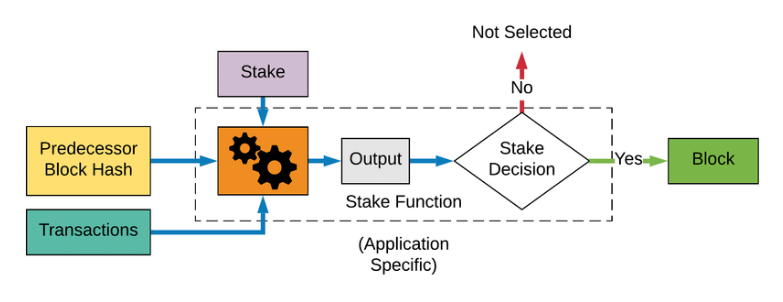
Alright, friends, let’s get down to brass tacks. Crypto staking, at its core, is a mechanism that supports the operation of certain blockchain networks. These networks, often using a "Proof-of-Stake" (Po S) consensus mechanism, rely on stakers to validate transactions and keep the blockchain secure. In return for their services, stakers are rewarded with additional crypto. But let’s break down the key features in more detail, so you can truly understand what’s going on under the hood.
Proof-of-Stake (Po S) vs. Proof-of-Work (Po W): A Quick Comparison
Before we go further, it’s crucial to understand the fundamental difference between Proof-of-Stake (Po S) and Proof-of-Work (Po W). Po W, used by Bitcoin, involves miners solving complex computational puzzles to validate transactions. This requires immense computing power and energy consumption. Po S, on the other hand, replaces this with staking. Validators are selected based on the amount of crypto they stake, reducing the need for energy-intensive mining. It's like a digital democracy where those with more "skin in the game" have a greater say in validating transactions.
Key Features Unveiled: Your Staking Toolkit
Now that we've got the basics covered, let's dive into the features that make staking tick:
-
Staking Mechanisms: The Different Flavors
Not all staking is created equal. Different cryptocurrencies employ various staking mechanisms, each with its own nuances. Understanding these mechanisms is key to choosing the right staking opportunity for you. For example, some blockchains utilize Delegated Proof-of-Stake (DPo S), where token holders delegate their staking power to a smaller group of validators. Think of it as electing representatives to validate transactions on your behalf. Other blockchains might use variations of Po S, each with slightly different rules and rewards.
-
Lock-up Periods: Patience is a Virtue
One common feature of staking is the "lock-up period." This refers to the amount of time your crypto is locked and unavailable for trading or spending. Lock-up periods can range from a few days to several months, depending on the cryptocurrency and the platform you're using. The longer the lock-up period, the higher the potential rewards, but also the less flexibility you have. Before you commit to staking, make sure you're comfortable with the lock-up period, as you won't be able to access your staked coins during that time. It’s like putting your money in a Certificate of Deposit (CD) – you earn more interest, but you can’t touch it until the term is up.
-
Staking Rewards: Show Me the Money!
Of course, the main attraction of staking is the rewards. These rewards are typically distributed in the form of the same cryptocurrency you're staking. The amount of rewards you earn depends on several factors, including the amount of crypto you stake, the length of the lock-up period, and the overall network activity. Staking rewards are often expressed as an Annual Percentage Rate (APR), which gives you an estimate of the annual return you can expect to earn. However, keep in mind that APRs can fluctuate based on market conditions and network participation. Always research the current APR and understand the potential volatility before making a decision. It’s like getting dividends on a stock, but instead of cash, you’re getting more of the crypto you already own.
-
Validator Selection: Who Gets to Play?
In many Po S systems, validators are responsible for validating transactions and creating new blocks on the blockchain. They are selected based on the amount of crypto they stake and their reputation on the network. Validators earn rewards for their work, but they can also be penalized for malicious behavior or poor performance. As a staker, you may have the option to delegate your stake to a validator, essentially entrusting them to validate transactions on your behalf. Choosing a reputable and reliable validator is crucial to maximizing your rewards and minimizing your risk. Think of it like choosing a financial advisor – you want someone with a proven track record and a strong commitment to your best interests.
-
Slashing: The Consequences of Misbehavior
To ensure the integrity of the blockchain, Po S systems often include a mechanism called slashing.Slashing is a penalty imposed on validators who engage in malicious behavior or fail to properly validate transactions. This can involve losing a portion of their staked crypto, deterring them from acting dishonestly. While slashing primarily affects validators, it's important for stakers to be aware of this risk, as delegating to a validator who gets slashed can result in a loss of staked funds. That’s why due diligence in choosing validators is so important! It’s like a mechanic getting fined for doing a shoddy job – it’s a deterrent to ensure quality.
-
Liquidity and Unstaking: Getting Your Coins Back
When you stake your crypto, it's important to understand the process for unstaking and regaining access to your coins. Some platforms offer instant unstaking, while others require a waiting period. This waiting period can range from a few hours to several weeks, depending on the cryptocurrency and the platform. During the unstaking period, your crypto is still locked and unavailable for trading or spending. Therefore, it's crucial to plan ahead and unstake your coins in advance if you anticipate needing them in the near future. Also, be aware of any fees associated with unstaking, as these can impact your overall returns. It’s like withdrawing money from a retirement account – there might be penalties if you do it too early.
-
Risk Assessment: Know What You're Getting Into
Like any investment, staking carries inherent risks. These risks can include price volatility, smart contract vulnerabilities, and the possibility of slashing. Before you start staking, it's essential to carefully assess your risk tolerance and diversify your portfolio accordingly. Don't put all your eggs in one basket! Consider the potential downsides and only stake what you can afford to lose. Also, stay informed about the latest developments in the crypto market and the specific cryptocurrencies you're staking. Knowledge is power, and being well-informed can help you make smarter investment decisions. It’s like reading the fine print before signing a contract – you need to know the potential downsides before committing.
Choosing the Right Staking Platform
Now that you understand the key features of staking, let’s talk about where to actually do it. The platform you choose can significantly impact your staking experience, rewards, and security.
-
Centralized Exchanges (CEXs): Convenience at a Cost
Centralized exchanges like Binance, Coinbase, and Kraken offer staking services for a wide range of cryptocurrencies. Staking on a CEX is typically easy and convenient, as they handle the technical complexities for you. However, CEXs also charge fees for their services, which can reduce your overall returns. Additionally, when you stake on a CEX, you're entrusting them with custody of your crypto, which introduces a risk of hacking or theft. While CEXs have implemented security measures to protect user funds, it's always important to be aware of the potential risks. It’s like using a bank – convenient, but you’re relying on them to keep your money safe.
-
Decentralized Exchanges (DEXs): Greater Control, Greater Responsibility
Decentralized exchanges like Uniswap and Sushi Swap offer staking opportunities through liquidity pools. When you provide liquidity to a DEX, you're essentially staking your crypto in exchange for a share of the trading fees. DEX staking can offer higher rewards than CEX staking, but it also comes with greater risks. One major risk is "impermanent loss," which occurs when the value of your staked tokens changes relative to each other. Impermanent loss can reduce your overall returns, especially if you're staking volatile assets. Additionally, DEX staking requires a greater understanding of blockchain technology and smart contracts. It’s like being your own bank – more control, but also more responsibility.
-
Native Wallets: Staking Directly on the Blockchain
Some cryptocurrencies allow you to stake directly on the blockchain using a native wallet. This gives you the most control over your staked crypto and eliminates the need to trust a third party. However, native wallet staking can be more technically challenging, as you're responsible for managing your own private keys and ensuring the security of your wallet. Additionally, native wallet staking may require running a full node, which can consume significant computing resources. It’s like building your own house – the most control, but also the most work.
-
Staking-as-a-Service (Saa S) Platforms: A Hybrid Approach
Staking-as-a-Service platforms like Figment and Staked offer a hybrid approach to staking. They provide a user-friendly interface for staking various cryptocurrencies, while also handling the technical complexities for you. Saa S platforms typically charge fees for their services, but they often offer higher rewards than CEXs. Additionally, Saa S platforms provide insurance and other security measures to protect user funds. It’s like hiring a contractor to build your house – less work than building it yourself, but still more control than using a CEX.
Strategies for Maximizing Your Staking Rewards
Once you've chosen a staking platform and a cryptocurrency to stake, it's time to think about strategies for maximizing your rewards.
-
Diversification: Don't Put All Your Eggs in One Basket
As with any investment, diversification is key to managing risk. Don't put all your crypto into a single staking opportunity. Instead, spread your investments across multiple cryptocurrencies and platforms. This will help to mitigate the impact of price volatility and other risks. It’s like having a diverse investment portfolio – spreading your risk across different assets.
-
Compounding: Reinvest Your Rewards
Compounding is the process of reinvesting your staking rewards to earn even more rewards. This can significantly increase your overall returns over time. Many staking platforms offer automatic compounding, which makes it easy to reinvest your rewards. It’s like earning interest on your interest – a powerful way to grow your wealth.
-
Long-Term Staking: Patience Pays Off
Staking is often a long-term investment strategy. The longer you stake your crypto, the higher your potential rewards. Additionally, long-term staking can help to reduce the impact of price volatility. Be patient and avoid making impulsive decisions based on short-term market fluctuations. It’s like investing for retirement – the longer you wait, the more you’ll earn.
-
Stay Informed: Knowledge is Power
The crypto market is constantly evolving, so it's important to stay informed about the latest developments. Follow industry news, read research reports, and participate in online communities. The more you know, the better equipped you'll be to make informed staking decisions. It’s like staying up-to-date on the latest medical research – the more you know, the better you can care for your health.
Potential Risks to Consider
Let's not pretend staking is all sunshine and rainbows. It’s crucial to be aware of the potential downsides:
-
Price Volatility: The Crypto Rollercoaster
The value of cryptocurrencies can fluctuate wildly. If the value of the crypto you're staking plummets, your rewards may not be enough to offset the losses. This is a risk inherent in all crypto investments, but it's especially important to consider when staking, as your coins are locked for a period of time. It's like buying a stock that drops in value after you lock it in a retirement account – you’re stuck with it for a while.
-
Smart Contract Risks: Bugs in the Code
Staking platforms rely on smart contracts to manage your staked crypto and distribute rewards. If there are bugs or vulnerabilities in the smart contract, your funds could be at risk. It’s crucial to choose platforms with audited and reputable smart contracts. Think of it like a software program – bugs can lead to unexpected and unwanted consequences.
-
Slashing Penalties: Losing Your Stake
As mentioned earlier, validators can be slashed for malicious behavior. If you delegate your stake to a validator who gets slashed, you could lose a portion of your staked crypto. Do your research and choose validators with a strong track record and a commitment to security. It’s like hiring a contractor who does a bad job – you could end up paying for their mistakes.
-
Liquidity Risks: Getting Stuck
During the lock-up period, your staked crypto is illiquid, meaning you can't trade or sell it. If you need access to your funds unexpectedly, you may have to wait until the unstaking period is over. Plan ahead and make sure you have enough liquid assets to cover your expenses. It’s like putting money in a CD – you can’t touch it until the term is up.
Crypto Staking FAQs
Let's address some frequently asked questions to clarify any lingering doubts.
-
What's the minimum amount of crypto I need to start staking?
This varies depending on the cryptocurrency and the platform. Some platforms allow you to start staking with just a few dollars worth of crypto, while others require a minimum stake of hundreds or even thousands of dollars. Research the specific requirements of the cryptocurrency and platform you're interested in before getting started.
-
How long does it take to start earning rewards from staking?
It depends on the cryptocurrency and the platform. Some platforms start distributing rewards immediately, while others require a waiting period of a few days or weeks. Be sure to check the terms and conditions of the platform you're using.
-
Are staking rewards taxable?
Yes, in most jurisdictions, staking rewards are considered taxable income. Consult with a tax professional to understand the specific tax implications in your country or region.
-
Is staking better than just holding crypto?
It depends on your investment goals and risk tolerance. Staking can provide a passive income stream and help to support the blockchain network. However, it also comes with risks, such as price volatility and slashing penalties. If you're comfortable with these risks, staking can be a worthwhile strategy. If you're risk-averse, you may prefer to simply hold your crypto.
In conclusion, my friends, we've journeyed through the exciting landscape of crypto staking, uncovering its key features, weighing the risks and rewards, and exploring strategies to maximize your potential gains. We've seen how staking can transform your idle crypto assets into a productive source of passive income, while also contributing to the security and efficiency of blockchain networks.
Remember, staking isn't a "get rich quick" scheme. It requires careful research, a solid understanding of the underlying technology, and a realistic assessment of your risk tolerance. But with the right approach, it can be a valuable addition to your overall crypto investment strategy. You can start by comparing the APR rates from different platforms, consider lock-up periods, and then estimate your potential returns by using crypto staking calculator to make an informed decision.
Now, are you ready to take the plunge and put your crypto to work? I encourage you to explore the various staking platforms and cryptocurrencies available, do your due diligence, and start small. Experiment with different strategies, learn from your experiences, and gradually increase your stake as you become more comfortable.
The world of crypto is constantly evolving, so stay informed, stay curious, and never stop learning. And who knows, maybe one day you'll be earning enough staking rewards to buy that lambo you've always dreamed of!
So, what are you waiting for? Go forth and stake your claim in the exciting world of crypto staking! What coins are you most excited to stake and why? Happy staking, friends!
