Understanding Volume Profile in Bitcoin: Key Insights for Traders
In the fast-paced world of cryptocurrency trading, understanding market dynamics is crucial. One of the most powerful tools at a trader’s disposal is the Volume Profile. This indicator provides insights into where the most trading activity occurs, helping traders identify key support and resistance levels, potential trend reversals, and high-probability trade setups. For Bitcoin, which has seen immense volatility and adoption, mastering the Volume Profile can be a game-changer.
This article will guide you through the fundamentals of Volume Profile, how it works, and how to apply it effectively in Bitcoin trading. Whether you're a seasoned trader or just starting out, these insights will help you make more informed decisions.

What Is Volume Profile?

At its core, Volume Profile is a technical analysis tool that displays the distribution of trading volume at different price levels over a specific time period. Unlike traditional volume indicators that show volume by time (e.g., per candlestick), Volume Profile shows volume by price. This means it reveals which price levels have seen the most trading activity, giving traders a clearer picture of where the market has been most active.
For example, if Bitcoin's price fluctuates between $30,000 and $40,000, the Volume Profile would show which price points within this range had the highest number of trades. These areas are often referred to as High Volume Nodes (HVN) and Low Volume Nodes (LVN), and they play a critical role in identifying potential support and resistance levels.
Key Components of Volume Profile

To effectively use Volume Profile in Bitcoin trading, it's essential to understand its key components:
1. Point of Control (PoC)
The PoC is the price level with the highest trading volume. It acts as a "fair price" marker and is often used as a reference point for entries, retests, and risk management. In Bitcoin, the PoC can indicate where the majority of buyers and sellers have been active, making it a valuable tool for identifying key turning points.
2. Value Area (VA)
The Value Area represents the price range where 70% of the total trading volume has occurred. This area is considered the "fair value" zone, where the market is most balanced. The upper and lower boundaries of the Value Area are known as Value Area High (VAH) and Value Area Low (VAL), respectively.
3. High Volume Node (HVN)
An HVN is a price range with significantly higher trading volume than the average. These nodes act as strong support or resistance levels because they represent areas where a large number of traders have previously bought or sold. In Bitcoin, HVNs can signal potential breakout or reversal points.
4. Low Volume Node (LVN)
An LVN is a price range with relatively low trading volume. These areas are often associated with imbalances in supply and demand, and the price tends to move quickly through them. In Bitcoin, LVNs can indicate potential short-term reversals or consolidation phases.
How to Use Volume Profile in Bitcoin Trading
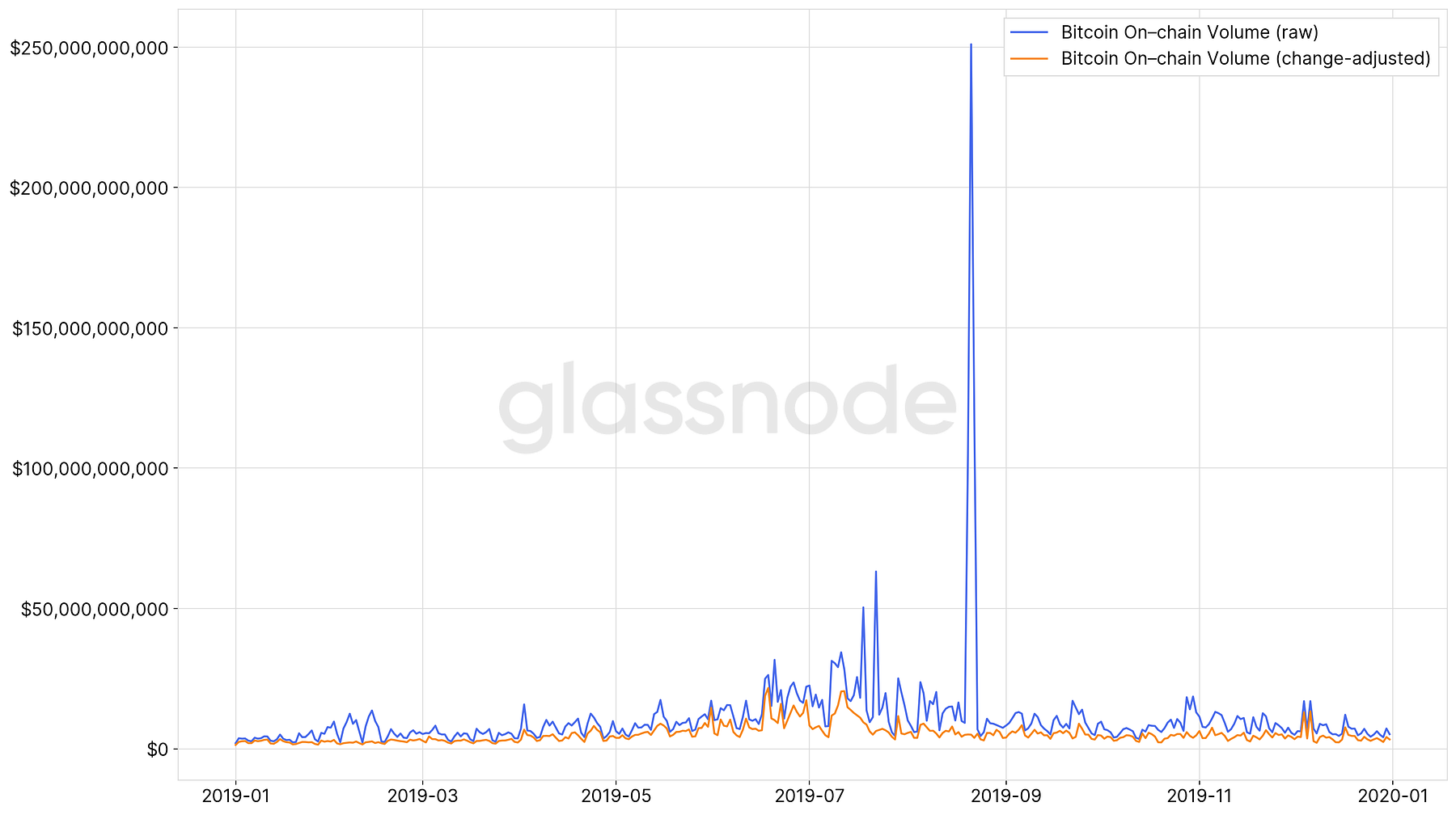
Now that you understand the basics of Volume Profile, let's explore how to apply it in real-world Bitcoin trading scenarios.
1. Identify Key Support and Resistance Levels
One of the most straightforward uses of Volume Profile is to identify support and resistance levels. By analyzing the HVNs and LVNs, you can determine where the market is likely to find buying or selling pressure.
For instance, if Bitcoin has repeatedly tested a certain price level and the Volume Profile shows a high volume of trades at that level, it could be a strong support or resistance level. This information can help you decide when to enter or exit a trade.
2. Spot Trend Reversals
Volume Profile can also help you spot potential trend reversals. When the price breaks above a key HVN, it may signal a bullish trend, while a breakdown below an LVN could indicate a bearish shift. Monitoring the PoC and Value Area can provide additional context on whether the trend is likely to continue or reverse.
3. Confirm Breakouts and Retests
Breakouts and retraces are common in Bitcoin trading, and Volume Profile can help confirm their validity. A valid breakout typically occurs when the price moves beyond a key HVN with increased volume. Conversely, a retest of a previous HVN after a breakout can offer a low-risk entry opportunity.
4. Use Multiple Timeframes
To gain a more comprehensive view of the market, consider using Volume Profile across multiple timeframes. For example, analyze the daily Volume Profile to identify long-term trends and then use the intraday profile to pinpoint precise entry points. This approach can improve your overall accuracy and reduce the risk of false signals.
Practical Tips for Using Volume Profile in Bitcoin

Here are some practical tips to help you get the most out of Volume Profile in Bitcoin trading:
-
Combine with Other Indicators: While Volume Profile is a powerful tool, it works best when combined with other technical indicators like moving averages, RSI, and Fibonacci retracements. This combination can help you confirm signals and avoid false breakouts.
-
Monitor Order Flow: If your platform allows, use order flow data to complement your Volume Profile analysis. This can give you insight into the direction of institutional buying and selling, which can impact Bitcoin's price.
-
Focus on Key Levels: Pay attention to the PoC, VAH, VAL, and HVNs. These levels are where the most significant trading activity occurs, and they can provide valuable clues about future price movements.
-
Practice on Demo Accounts: Before using Volume Profile in live Bitcoin trading, practice on demo accounts to build confidence and refine your strategy.
Conclusion
Understanding Volume Profile is essential for any trader looking to gain an edge in the Bitcoin market. By analyzing where the most trading activity occurs, you can identify key support and resistance levels, spot trend reversals, and confirm breakouts with greater accuracy.
Whether you're a day trader, swing trader, or long-term investor, incorporating Volume Profile into your strategy can help you make more informed decisions and improve your overall performance. As with any technical analysis tool, it's important to practice and refine your approach over time. With consistent effort and a solid understanding of Volume Profile, you'll be well-equipped to navigate the dynamic world of Bitcoin trading.
