What Drives Crypto Prices Today: Key Factors Influencing the Market
Cryptocurrencies have become a major force in the global financial landscape, but their prices are anything but stable. For investors and traders, understanding what drives crypto prices today is essential for making informed decisions. While the market may seem chaotic, it’s shaped by a complex interplay of factors ranging from supply and demand to regulatory developments and technological advancements. In this article, we’ll explore the key drivers behind today’s crypto price movements, offering insights that can help you navigate this dynamic market.

Supply and Demand Dynamics

At the core of every asset’s value lies the fundamental principle of supply and demand. In the crypto world, this is no different. When the demand for a particular cryptocurrency exceeds its supply, the price tends to rise. Conversely, if there’s more supply than demand, the price drops.
Bitcoin, for example, has a capped supply of 21 million coins, which creates scarcity and can drive up its value over time. As more people adopt Bitcoin and its use cases expand, the demand increases, pushing the price higher. Similarly, altcoins like Ethereum or Solana see their prices influenced by how many users are actively using them and how much they’re being traded on exchanges.
Market Sentiment and Speculation

Market sentiment plays a crucial role in determining crypto prices. Investor psychology can cause rapid price swings, often driven by news, social media, or even rumors. When traders are optimistic, they buy more, driving prices up. When fear takes over, panic selling can send prices plummeting.
Social media platforms like Twitter and Reddit have become powerful tools for shaping sentiment. A single post from a well-known figure or a viral trend can spark a surge in interest—and consequently, in price. However, this also means that speculation can lead to extreme volatility, as markets react quickly to shifting opinions.
Regulatory Developments and Government Actions

Regulatory changes can have an immediate and significant impact on crypto prices. Governments around the world are increasingly scrutinizing cryptocurrencies, with some implementing strict regulations and others taking a more hands-off approach.
Positive regulatory news, such as the approval of a Bitcoin ETF or the recognition of crypto as a legal tender, can boost investor confidence and drive prices up. On the flip side, negative news—like bans on crypto trading or increased taxation—can trigger sharp declines. For example, China’s crackdown on crypto mining in 2021 caused a significant drop in Bitcoin’s price.
Macroeconomic Factors and Global Market Trends

Crypto prices are not isolated from the broader economic environment. Factors like inflation, interest rates, and geopolitical events can influence investor behavior and, in turn, crypto prices.
For instance, when inflation rises, investors may turn to cryptocurrencies as a hedge against the devaluation of fiat currencies. Similarly, during times of economic uncertainty, crypto can act as a safe haven, attracting new buyers. However, if the economy stabilizes and interest rates rise, investors might shift back to traditional assets, causing crypto prices to fall.
Technological Developments and Network Upgrades

The underlying technology of a cryptocurrency plays a vital role in its long-term value. Upgrades that improve scalability, security, or transaction speed can increase adoption and, consequently, demand.
For example, Ethereum’s transition to a proof-of-stake model significantly reduced energy consumption and improved network efficiency, leading to increased investor confidence. Similarly, upgrades like Bitcoin’s Lightning Network aim to make transactions faster and cheaper, enhancing the utility of the asset.
Market Manipulation and Whale Activity
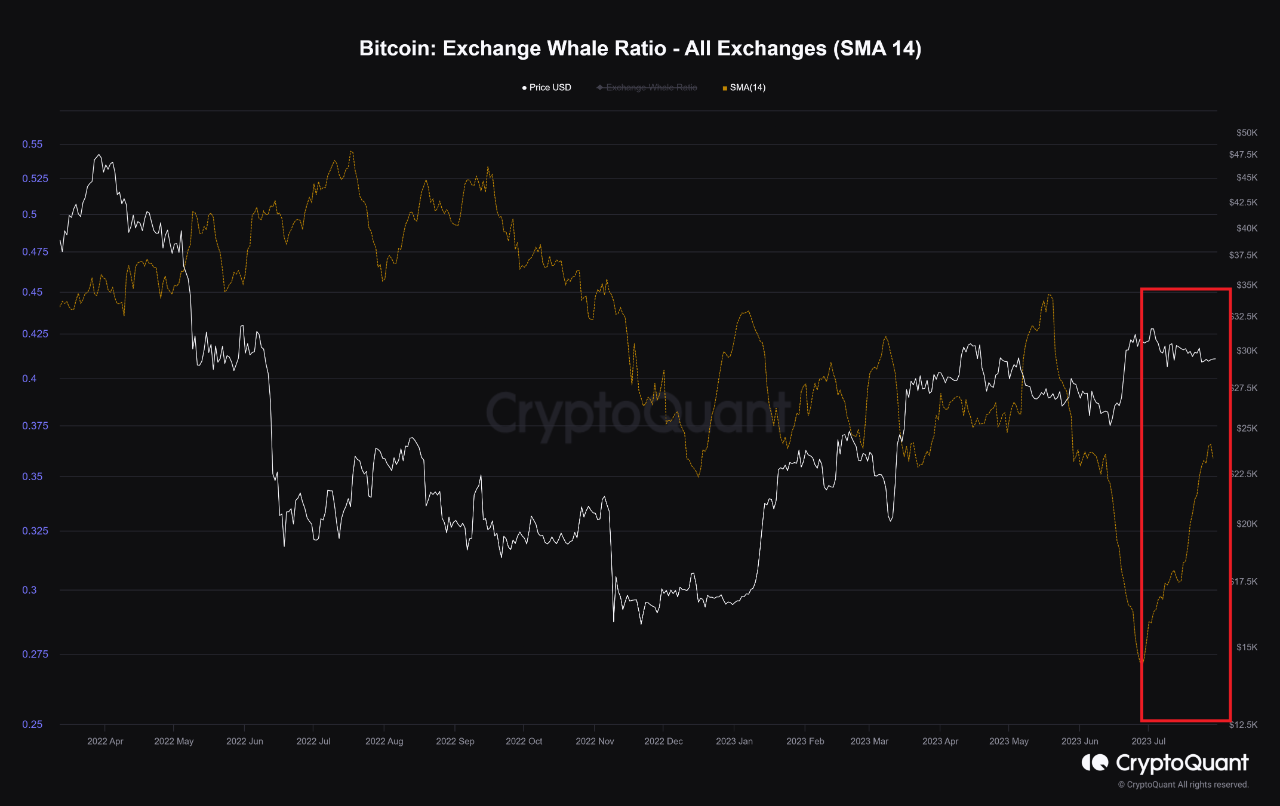
While the crypto market is largely decentralized, it is not immune to manipulation. Large holders, known as "whales," can influence prices through massive trades. Their actions can create artificial spikes or dips, misleading smaller investors.
Whale activity is particularly noticeable in less liquid markets, where a single large trade can move the price significantly. Additionally, practices like "pump and dump" schemes—where a group artificially inflates a coin’s price before selling off—can cause sudden and unpredictable price swings.
Adoption and Real-World Utility

As more businesses and individuals adopt cryptocurrencies, their real-world utility grows, which can drive up their value. For example, the acceptance of Bitcoin by major companies like Tesla or PayPal has increased its legitimacy and usage.
Moreover, the development of use cases such as cross-border payments, NFTs, and DeFi (decentralized finance) has expanded the demand for certain cryptocurrencies. The more practical applications a coin has, the more likely it is to see sustained price growth.
Liquidity and Trading Volume

Liquidity refers to how easily an asset can be bought or sold without affecting its price. High liquidity generally leads to more stable prices, while low liquidity can result in wild swings.
Trading volume is closely related to liquidity. A high volume indicates strong interest in a coin, which can signal confidence among investors. Conversely, low volume may suggest a lack of interest or uncertainty, leading to increased volatility.
Conclusion
Understanding what drives crypto prices today requires a multifaceted approach. From supply and demand dynamics to regulatory changes, technological advancements, and market sentiment, numerous factors shape the market. As a trader or investor, staying informed about these elements can help you make better decisions in an ever-changing landscape.
By keeping a close eye on these drivers, you can better anticipate market movements and position yourself for success. Whether you're a seasoned trader or just starting out, the key is to remain adaptable and informed in this fast-paced and volatile market.
