Stay Ahead: Key Regulatory Updates in the Global Crypto Market
The world of cryptocurrency is evolving at a breakneck pace, and with it comes a wave of regulatory changes that are reshaping the landscape for investors, traders, and businesses alike. As governments around the globe grapple with how to manage this digital revolution, staying informed about the latest regulatory updates has never been more critical. From the European Union’s comprehensive Markets in Crypto-Assets Regulation (MiCA) to the United States’ new legislative efforts, the crypto market is undergoing a transformation that promises both opportunities and challenges.
The Need for Regulation in the Crypto Space
Cryptocurrency has long existed in a legal gray area, where the lack of clear regulations has led to significant risks for investors and users. The collapse of FTX in 2022 was a wake-up call, highlighting the dangers of unregulated markets and the need for stronger oversight. Governments have started to take notice, recognizing that without proper regulation, the potential for fraud, money laundering, and market manipulation remains high.
In the U.S., the Financial Innovation and Technology (FIT) for the 21st Century Act represents a step forward in defining the classification of cryptocurrencies as either commodities or securities. However, the delay in passing these bills has left many in the crypto community in limbo, waiting for clarity on how they can operate within the existing legal framework.
Europe's Bold Move: The MiCA Regulation
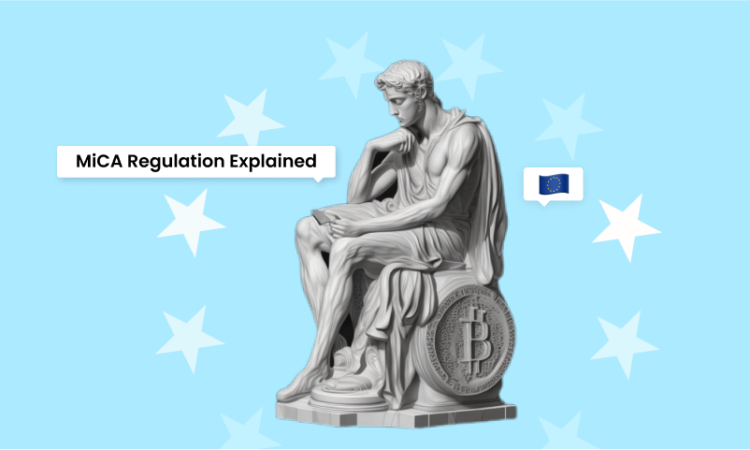
The European Union has taken a significant step in regulating the crypto market with the introduction of the Markets in Crypto-Assets Regulation (MiCA). This landmark legislation, which came into effect in January 2026, aims to create a unified regulatory framework across all 27 EU member states. MiCA requires companies issuing or dealing in cryptocurrencies to be licensed, and it mandates the identification of real senders and recipients of all transactions, regardless of the amount.
This regulation also includes provisions for self-custody wallets, requiring verification of ownership for those with balances over 1,000 euros. These measures are designed to minimize the risk of money laundering and the financing of terrorism, addressing some of the most pressing concerns in the crypto space.
Elisabeth Svantesson, the Finance Minister of Sweden, has praised these regulations as long-awaited steps toward protecting European investors and ensuring the integrity of the crypto market. With MiCA in place, the EU is setting a global standard for crypto regulation, influencing discussions far beyond its borders.
Asia's Mixed Approach to Crypto Regulation
Asia's approach to crypto regulation has been varied, with some countries embracing the technology while others have taken a more cautious stance. Japan, for example, has been relatively friendly to the crypto market, recognizing digital assets as legal property and money. Japanese regulators are focusing on anti-money laundering measures, requiring crypto exchanges to provide customer information.
South Korea has also made strides in regulating the crypto market with the passage of the Virtual Asset Users Protection Act. This law aims to safeguard users within the South Korean jurisdiction by implementing stricter compliance requirements. Meanwhile, India has lifted its ban on cryptocurrencies but is still working on a comprehensive regulatory framework, including a central bank digital currency.
However, not all Asian countries are as welcoming. Some nations have imposed strict regulations, banning exchanges, trading, and mining entirely. This mixed approach highlights the challenges of creating a cohesive regulatory environment in a region as diverse as Asia.
Brazil and the UK: New Horizons in Crypto Regulation

Brazil has taken a proactive approach to regulating the crypto market, with the central bank serving as the leading regulator. The country's Cryptoassets Act aims to prevent fraud and criminal activities related to digital currencies, offering a more secure environment for traders. Brazil has also indicated plans to further tighten its crypto regulations, signaling a commitment to maintaining a stable and transparent market.
In the UK, the Financial Conduct Authority (FCA) is developing its own framework for crypto and stablecoin regulation. The FCA is focused on ensuring that businesses selling digital currencies are properly licensed, and it has proposed detailed rules governing stablecoins. These rules could offer major benefits for consumers and retailers, particularly in terms of faster and cheaper payments.
Toward Global Regulation: The Role of IOSCO and the World Economic Forum

As the crypto market continues to grow, there is an increasing push for global regulatory harmonization. The International Organization of Securities Commissions (IOSCO) has urged greater coordination among regulators to address the cross-border nature of crypto risks. The 18 guidelines proposed by IOSCO aim to create a global standard for regulation, ensuring that investors know their rights and responsibilities regardless of where they trade.
The World Economic Forum has also emphasized the importance of aligning regulations, stating that it is "not only desirable but also necessary." As the crypto market matures, international cooperation will be essential to ensure proper regulation and prevent abuse.
What Does It Mean for Crypto Trading?
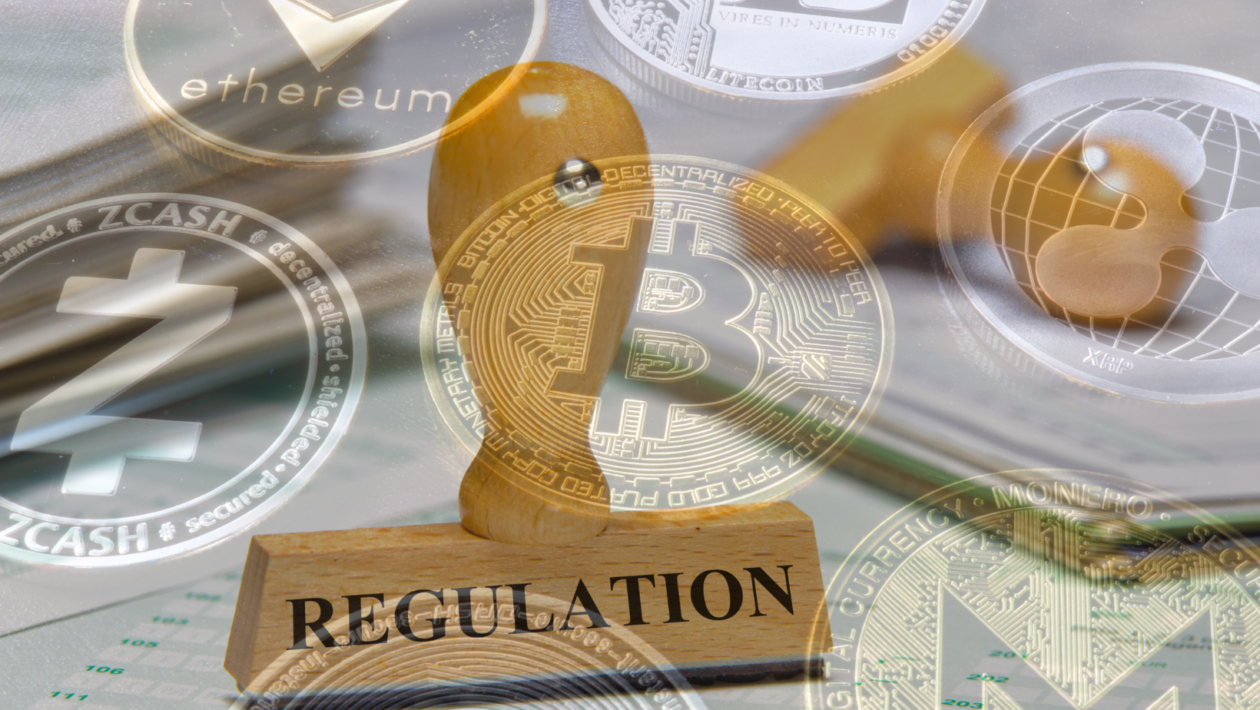
For anyone participating in crypto trading, these updates can help individuals navigate the evolving landscape with greater confidence. The increased focus on regulation is expected to minimize the amount of risk, fraud, and market manipulation, making investments safer. However, the rapid pace of change means that traders and investors must stay informed and adapt to new rules as they emerge.
While these regulations are still in the works, it is evident that the future of crypto trading will be governed by clearer guidelines, more oversight, and an increased emphasis on protecting investors across the globe. For businesses, staying compliant with evolving regulations is just as important as providing valuable services to customers.
Practical Insights for Businesses
- Seek Information: Stay updated on regulatory changes in all jurisdictions where your business operates. This includes understanding licensing requirements, tax implications, and compliance standards.
- Find Experts: Consult with legal experts who specialize in crypto laws to ensure your operations remain compliant as regulations evolve.
- Appraise Current Position: Evaluate your current compliance structure and make necessary changes to meet regulatory requirements.
- Maintain AML and KYC Standards: Most jurisdictions require businesses to implement know-your-customer (KYC) and anti-money laundering (AML) protocols. Ensure you understand the specific requirements in your region.
Conclusion
The global crypto market is undergoing a significant transformation, driven by regulatory updates that aim to bring clarity, stability, and protection to investors. From the EU's MiCA to the U.S.'s GENIUS Act, governments are taking steps to create a more structured and secure environment for digital assets. As these regulations continue to evolve, staying informed and adaptable will be crucial for anyone involved in the crypto space. By understanding the changing landscape, businesses and investors can navigate the challenges and opportunities of this dynamic market with confidence.
