The Ultimate Small Cap Altcoin Investment Guide for 2025
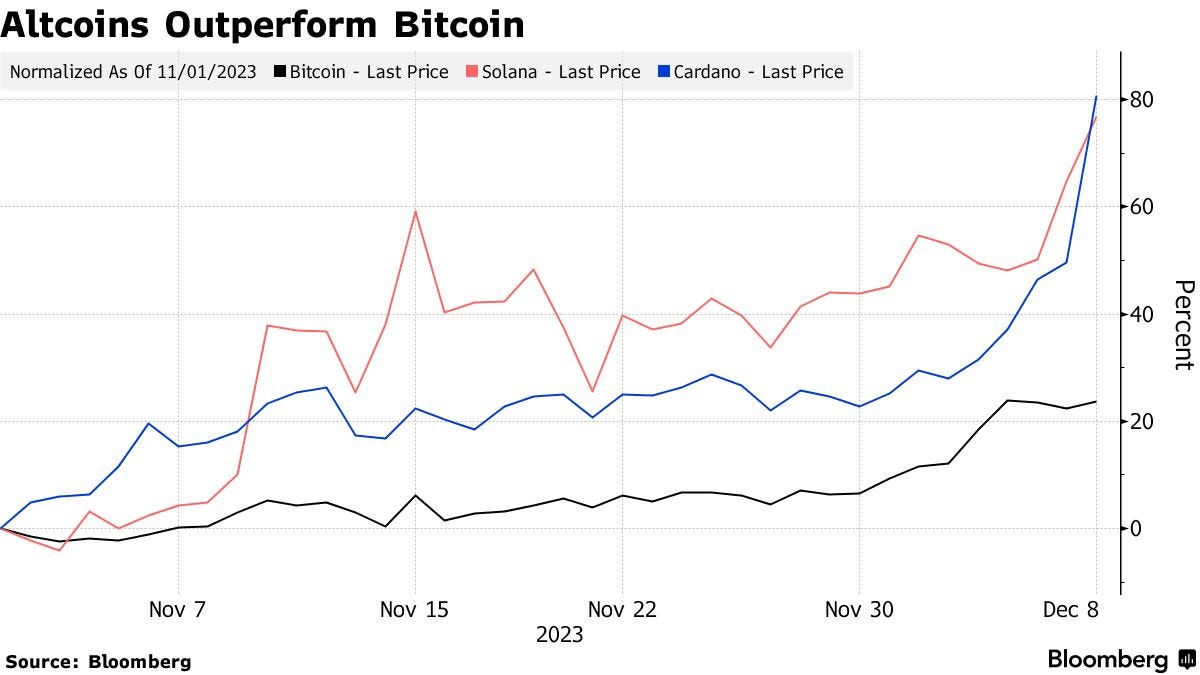
Small-cap altcoins have long been a magnet for investors seeking high returns, but they also come with significant risks. As the cryptocurrency market continues to evolve, understanding how to approach small-cap altcoin investments can mean the difference between substantial gains and devastating losses. This guide will walk you through the essentials of investing in small-cap altcoins, from evaluating projects to managing risk effectively.
Understanding Small-Cap Altcoins
Small-cap altcoins are cryptocurrencies with a relatively low market capitalization, typically below $1 billion. These coins often represent early-stage projects that may offer high growth potential but also carry greater volatility and uncertainty compared to larger, more established cryptocurrencies like Bitcoin or Ethereum.
Market capitalization is calculated by multiplying the total number of circulating tokens by the current price per token. For example, if a coin has 10 million tokens in circulation and each token is valued at $0.50, its market cap would be $5 million. Small-cap altcoins generally fall into this category, making them attractive for speculative investors looking for the next big thing.
Why Invest in Small-Cap Altcoins?
Investing in small-cap altcoins can be highly rewarding, especially during bull markets when prices tend to rise rapidly. These coins often experience significant price increases due to their lower base values, which can lead to outsized returns for early investors. However, it's crucial to recognize that the same volatility that drives price appreciation can also result in steep declines.
For instance, during the 2021 bull market, many small-cap altcoins saw impressive gains. However, as the market turned bearish, these same coins suffered sharp drops, with some losing over 90% of their value. This underscores the importance of careful research and risk management when investing in small-cap altcoins.
Evaluating Small-Cap Altcoins
Before investing in any small-cap altcoin, it's essential to conduct thorough research. Here are key factors to consider:
- Project Roadmap: A clear and realistic roadmap indicates that the project has a plan for development and growth.
- Team and Development: Look for experienced teams with a track record of successful projects. A strong team can significantly impact the project's success.
- Use Case and Utility: The coin should solve a real-world problem or offer unique utility within the blockchain ecosystem.
- Community and Adoption: A vibrant community and growing user base can signal a healthy and sustainable project.
For example, Astroport, a small-cap altcoin, has gained attention for its innovative approach to merging AI and NFTs within the Cosmos ecosystem. With a market cap of $70 million and a technical score of 89%, it represents a promising investment opportunity for those interested in the intersection of AI and NFTs.
Managing Risk in Small-Cap Investments
Given the inherent risks associated with small-cap altcoins, it's vital to implement effective risk management strategies:
- Diversification: Spread your investments across multiple projects to reduce the impact of any single failure.
- Stop-Loss Orders: Set stop-loss orders to limit potential losses if the price of an altcoin drops sharply.
- Regular Monitoring: Keep a close eye on market trends and project developments to make informed decisions.
For instance, Spacemesh, another small-cap altcoin, focuses on providing an eco-friendly alternative to traditional blockchains. With a market cap of $104 million and a technical score of 89%, it offers a unique value proposition for environmentally conscious investors. However, its performance is closely tied to broader market conditions, highlighting the need for continuous monitoring.
Real-Life Examples of Small-Cap Success
Several small-cap altcoins have demonstrated the potential for significant returns when the market is favorable. For example, Botto, which uses AI to generate art and allows the community to vote on the best pieces, has shown promise with a market cap of $55 million and a technical score of 66%. Its innovative approach to combining AI and NFTs makes it an intriguing investment opportunity.
Similarly, Nibiru Chain, a proof-of-stake blockchain focused on DeFi and real-world assets, has attracted attention for its secure and scalable solutions. With a market cap under $80 million and a technical score of 81%, it represents a compelling option for investors looking for innovative projects within the Cosmos ecosystem.
Conclusion
Investing in small-cap altcoins can be a lucrative endeavor, but it requires careful consideration and strategic planning. By understanding the risks involved, conducting thorough research, and implementing effective risk management strategies, investors can position themselves to capitalize on the potential rewards while minimizing the impact of market volatility. As the cryptocurrency landscape continues to evolve, staying informed and adaptable will be key to navigating the world of small-cap altcoin investments successfully.
