Top Short-Term Crypto Trading Tactics for 2024
In the fast-paced world of cryptocurrency trading, short-term strategies can be a powerful tool for savvy investors looking to capitalize on market fluctuations. Whether you're a seasoned trader or just starting out, understanding and implementing effective short-term crypto trading tactics can make all the difference in your success. This article explores the most relevant and practical tactics for 2024, helping you navigate the volatile crypto landscape with confidence.
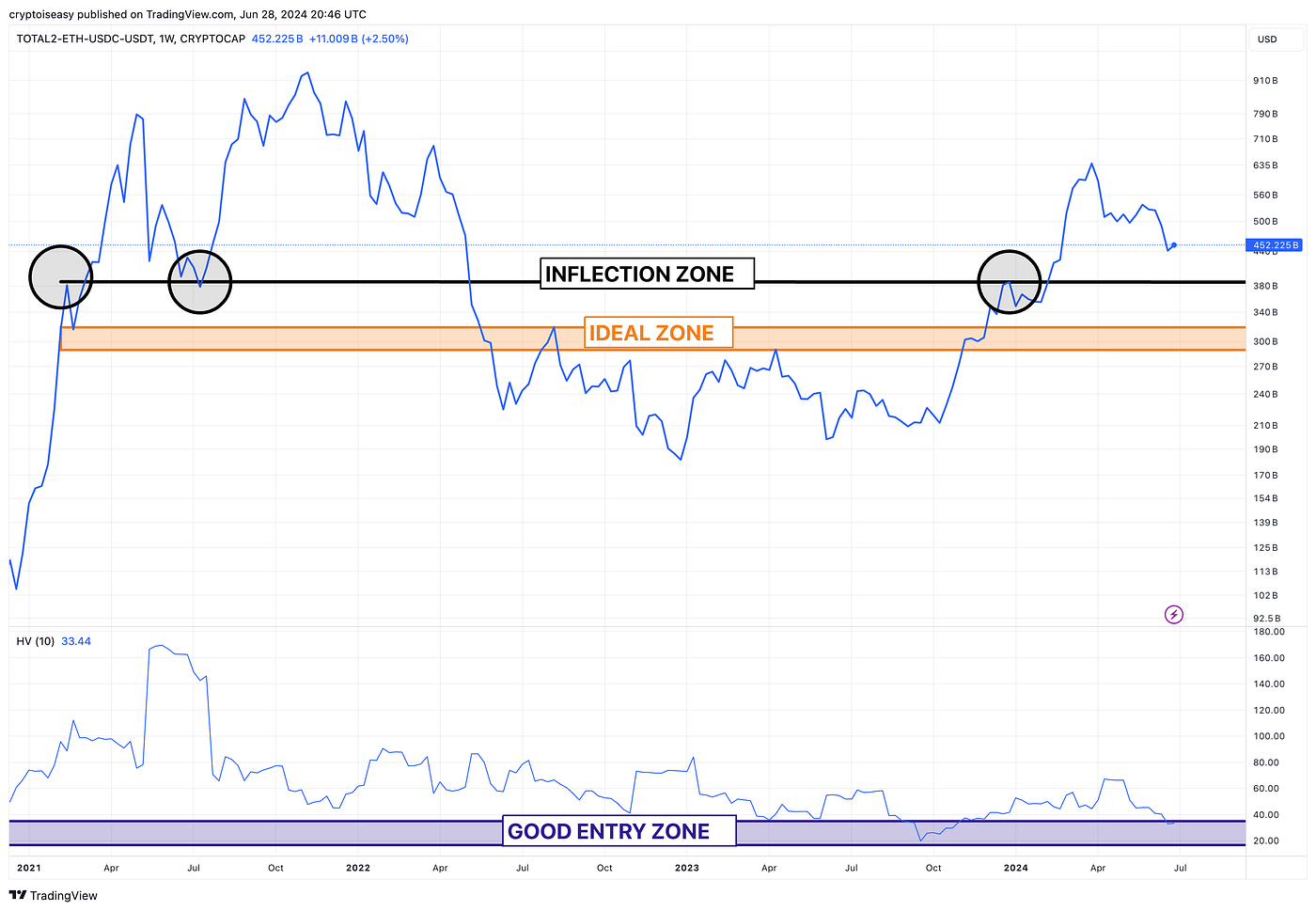
Understanding Short-Term Crypto Trading
Short-term crypto trading involves buying and selling assets over a brief period, typically ranging from minutes to days. This approach relies heavily on technical analysis, market trends, and quick decision-making. Unlike long-term investing, which focuses on the intrinsic value of assets, short-term trading is more about timing the market and capitalizing on price movements.
The key to successful short-term trading lies in understanding the dynamics of the market. Cryptocurrencies are known for their high volatility, which can create both opportunities and risks. Traders must be able to read market signals, identify patterns, and act swiftly to take advantage of these movements.
Key Characteristics of Short-Term Crypto Trading
- High Frequency: Short-term traders often execute multiple trades in a single day.
- Quick Decisions: The ability to make rapid decisions based on real-time data is crucial.
- Risk Management: Effective risk management is essential due to the inherent volatility of the market.
- Technical Analysis: A strong grasp of technical indicators and chart patterns is necessary for identifying entry and exit points.
Popular Short-Term Crypto Trading Tactics
There are several tactics that traders use to navigate the crypto market. Each has its own advantages and disadvantages, and the best approach often depends on individual preferences and market conditions.
1. Scalping
Scalping involves making small profits from numerous trades. Traders aim to capture minor price movements, often holding positions for just a few minutes. This strategy requires a high level of focus and discipline, as well as access to real-time data.
Advantages: - Quick profits from small price changes. - Can be executed with minimal capital.
Disadvantages: - High transaction costs due to frequent trading. - Increased stress and mental fatigue.
2. Day Trading
Day trading involves buying and selling assets within the same day, aiming to profit from intraday price movements. This tactic is popular among traders who want to avoid overnight risks.
Advantages: - No overnight exposure to market risks. - Flexibility to adjust strategies based on daily market conditions.
Disadvantages: - Requires constant monitoring of the market. - Can be time-consuming and mentally exhausting.
3. Swing Trading
Swing trading involves holding positions for a few days to a week, aiming to capture larger price swings. This strategy is ideal for traders who prefer a less hands-on approach but still want to benefit from market trends.
Advantages: - Less time-intensive than day trading. - Potential for larger profits from significant price movements.
Disadvantages: - Exposed to overnight risks. - May require more patience and strategic planning.
4. Position Trading
Position trading involves holding assets for an extended period, often weeks or months, based on long-term trends. While this is more of a long-term strategy, some traders use it as part of their short-term approach by focusing on specific market conditions.
Advantages: - Lower transaction costs. - Potential for substantial gains from long-term trends.
Disadvantages: - Higher risk due to exposure to market volatility. - Requires a deep understanding of market fundamentals.
Essential Tools and Indicators for Short-Term Trading
To implement effective short-term trading tactics, traders need to utilize various tools and indicators that help them analyze the market and make informed decisions.
1. Technical Indicators
Technical indicators such as moving averages, RSI (Relative Strength Index), and MACD (Moving Average Convergence Divergence) can provide valuable insights into market trends and potential price movements.
- Moving Averages: Help identify the direction of the trend and potential support/resistance levels.
- RSI: Measures the speed and change of price movements, indicating overbought or oversold conditions.
- MACD: Shows the relationship between two moving averages, helping traders identify momentum shifts.
2. Chart Patterns
Identifying chart patterns such as head and shoulders, triangles, and flags can help traders anticipate potential price movements. These patterns often indicate reversals or continuation of trends.
3. Volume Analysis
Volume analysis is crucial for confirming price movements. High volume during a price increase or decrease can indicate strong market sentiment, while low volume may suggest a lack of interest or potential reversal.
4. News and Events
Staying informed about news and events that can impact the market is essential for short-term traders. Major announcements, regulatory changes, and macroeconomic factors can significantly influence cryptocurrency prices.
Risk Management Strategies
Effective risk management is critical for short-term crypto trading. Here are some strategies to consider:
1. Stop-Loss Orders
Stop-loss orders are used to limit potential losses by automatically closing a trade when a certain price level is reached. This helps protect traders from significant downturns.
2. Position Sizing
Proper position sizing ensures that traders do not risk too much capital on a single trade. It's important to determine the appropriate amount to invest based on your risk tolerance and overall strategy.
3. Diversification
Diversifying your portfolio across different cryptocurrencies and asset classes can help mitigate risks. By not putting all your eggs in one basket, you reduce the impact of any single asset's performance on your overall portfolio.
4. Regular Review and Adjustment
Market conditions can change rapidly, so it's essential to regularly review and adjust your trading strategy. This includes assessing your performance, learning from mistakes, and adapting to new market trends.
Conclusion
Short-term crypto trading can be a rewarding endeavor for those who understand the market and implement effective tactics. By leveraging technical analysis, staying informed about market conditions, and practicing sound risk management, traders can navigate the volatile crypto landscape with confidence. As we move into 2024, the importance of adaptability and continuous learning cannot be overstated. Whether you're scalping, day trading, swing trading, or using position trading strategies, the key to success lies in finding the right approach that aligns with your goals and risk tolerance. With the right tools and mindset, you can unlock the potential of short-term crypto trading and achieve your financial objectives.
