Top Technical Analysis Strategies for Bitcoin Investors in 2025
In the ever-evolving world of cryptocurrency, Bitcoin remains a central figure for both retail and institutional investors. As we move into 2025, understanding the nuances of technical analysis has become more critical than ever. With Bitcoin's price often influenced by a complex interplay of market sentiment, macroeconomic factors, and regulatory developments, employing robust technical strategies can help investors make informed decisions. This article explores key technical analysis strategies that can guide Bitcoin investors through the current market landscape.
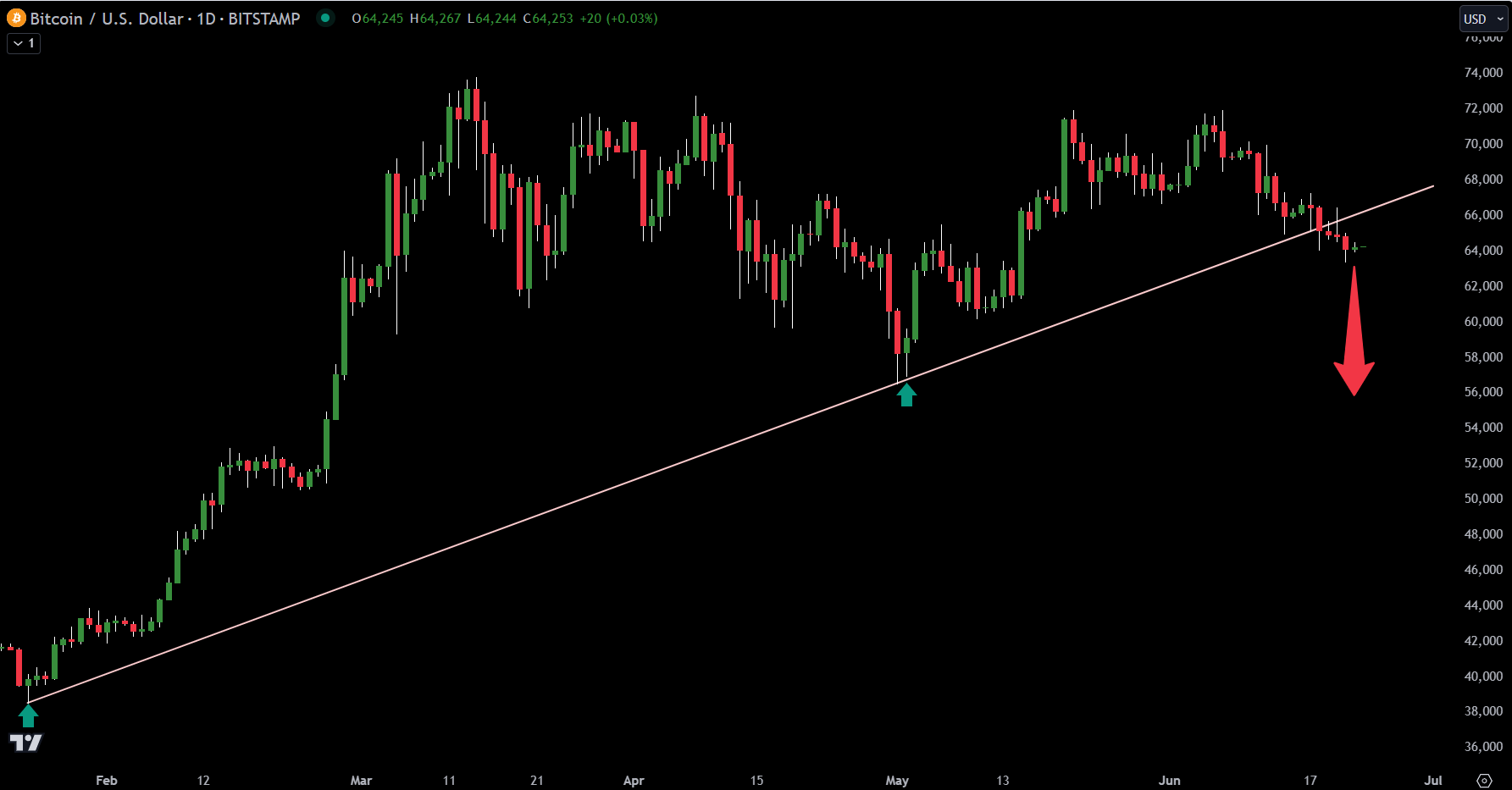
Understanding the Fundamentals of Technical Analysis
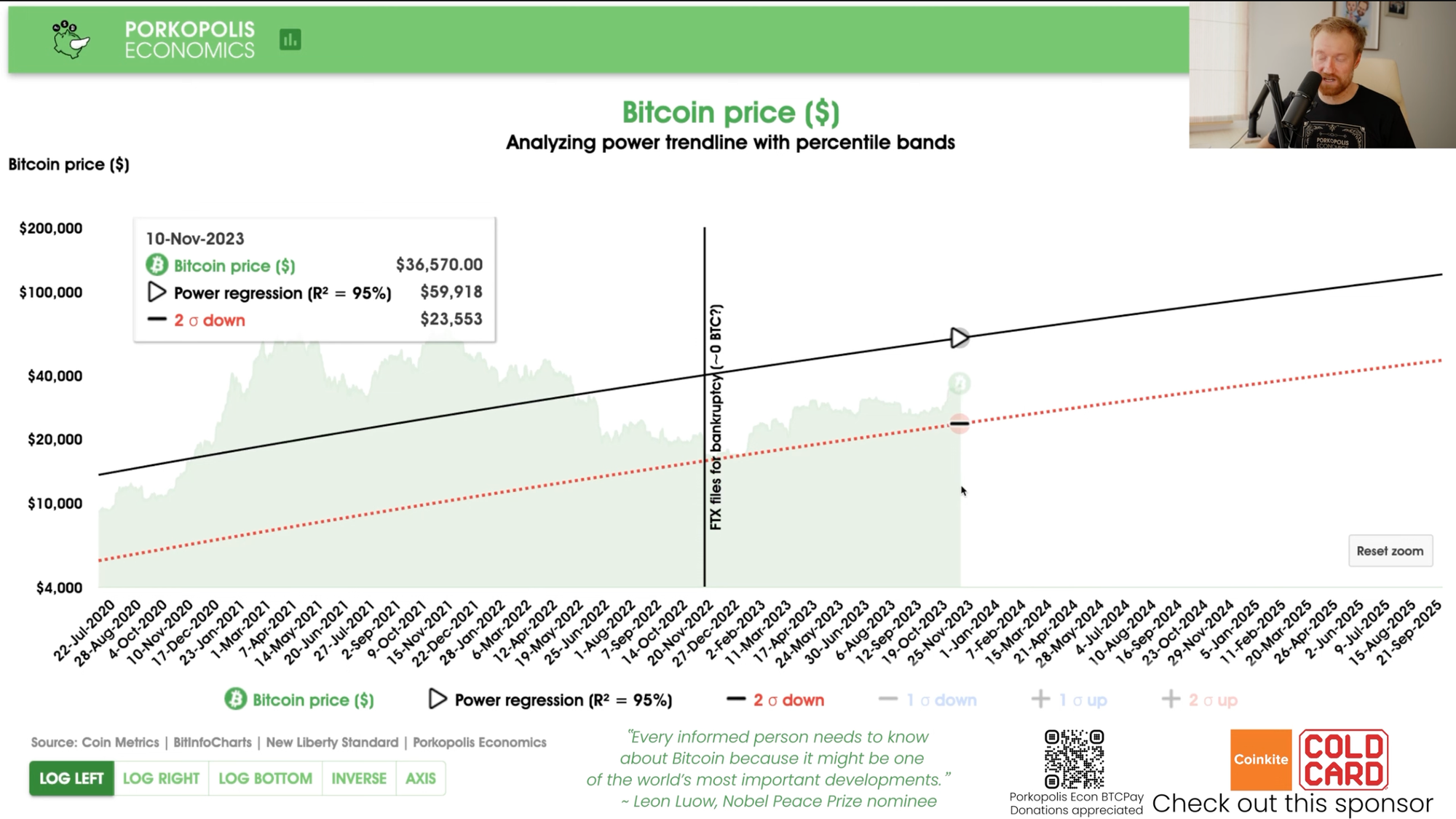
Technical analysis is a method used to evaluate securities and identify trading opportunities by analyzing statistical trends gathered from trading activity, such as price movement and volume. Unlike fundamental analysis, which focuses on a company’s financials, technical analysis is based on the idea that historical price data can predict future movements. For Bitcoin, this means examining charts, patterns, and indicators to forecast potential price directions.
The core assumptions of technical analysis include:
- Markets discount everything: All available information is already reflected in the price.
- Price moves in trends: Prices tend to follow identifiable trends over time.
- History repeats itself: Past price movements can provide insights into future behavior.
These principles form the foundation for various technical strategies that investors can employ when analyzing Bitcoin.
Key Technical Indicators for Bitcoin Analysis

Several technical indicators are commonly used by analysts to assess Bitcoin's price movements. These tools can help investors identify potential entry and exit points, manage risk, and understand market sentiment. Here are some of the most effective indicators:
- Moving Averages (MA):
- Simple Moving Average (SMA): Calculates the average price over a specific period, smoothing out price data to identify trends.
-
Exponential Moving Average (EMA): Gives more weight to recent prices, making it more responsive to new information.
-
Relative Strength Index (RSI):
-
Measures the speed and change of price movements, indicating overbought or oversold conditions. An RSI above 70 suggests overbought, while below 30 indicates oversold.
-
Bollinger Bands:
-
Consists of a moving average and two standard deviation lines. They help identify volatility and potential price reversals.
-
MACD (Moving Average Convergence Divergence):
-
Combines moving averages to show momentum and trend direction. It helps traders identify potential buy or sell signals.
-
Volume Analysis:
- High trading volume can confirm the strength of a price trend. Sudden spikes in volume may indicate significant market events or shifts in sentiment.
By incorporating these indicators, investors can gain a clearer picture of Bitcoin's market dynamics and make more informed decisions.
Chart Patterns and Their Significance

Chart patterns are another essential component of technical analysis. These patterns can signal potential price movements and help investors anticipate market trends. Some common chart patterns include:
- Head and Shoulders: A reversal pattern that suggests a potential downtrend after an uptrend.
- Double Tops/Bottoms: Indicates a possible reversal at key resistance or support levels.
- Triangles: Can signal continuation or reversal, depending on the type (ascending, descending, symmetrical).
- Cup and Handle: Often seen as a bullish pattern, suggesting a potential upward trend after a consolidation phase.
Understanding these patterns allows investors to recognize potential turning points in Bitcoin's price action, enabling them to adjust their strategies accordingly.
Strategic Approaches for Bitcoin Investors

With the right technical analysis tools in place, investors can develop strategic approaches to navigate Bitcoin's volatile market. Here are some practical strategies to consider:
- Trend Following:
-
Focus on identifying and following established trends. If Bitcoin is in an uptrend, look for opportunities to buy on dips. Conversely, if it's in a downtrend, consider shorting or avoiding long positions.
-
Breakout Trading:
-
Look for price breakouts above key resistance levels or below support levels. These breakouts can signal strong momentum and potential for further price movement.
-
Range Trading:
-
When Bitcoin is trading within a defined range, focus on buying at support levels and selling at resistance levels. This strategy works well during periods of consolidation.
-
Risk Management:
-
Always set stop-loss orders to limit potential losses. Determine your risk tolerance and adhere to it strictly.
-
Position Sizing:
- Adjust your position size based on your risk profile and market conditions. Avoid overexposing yourself to any single trade.
By implementing these strategies, investors can enhance their chances of success in the Bitcoin market while managing risks effectively.
The Role of Market Sentiment and News

While technical analysis provides valuable insights, it's essential to consider market sentiment and news events that can impact Bitcoin's price. Factors such as regulatory changes, macroeconomic data, and global events can significantly influence investor behavior and market dynamics.
For instance, positive news about Bitcoin adoption or regulatory clarity can boost investor confidence and drive prices higher. Conversely, negative news or geopolitical tensions can lead to increased volatility and uncertainty.
Investors should stay informed about relevant news and monitor social media platforms for real-time updates. Combining technical analysis with a keen awareness of market sentiment can provide a more comprehensive view of Bitcoin's potential trajectory.
Conclusion
As we enter 2025, the importance of technical analysis for Bitcoin investors cannot be overstated. By leveraging key indicators, chart patterns, and strategic approaches, investors can navigate the complexities of the cryptocurrency market with greater confidence. While no strategy guarantees success, a well-informed approach grounded in technical analysis can significantly enhance decision-making and improve outcomes.
Ultimately, the combination of technical insights, market awareness, and disciplined risk management will be crucial for Bitcoin investors looking to thrive in this dynamic and rapidly evolving landscape. Stay informed, stay patient, and let the data guide your journey.
